When Customers Ask for Boba They Can Actually Drink: Solving the Diabetic-Friendly Menu Gap in a Hong Kong Cafe
A practical guide for Hong Kong cafes, wellness hubs and family-catering operators on adding a refined sugar-free, plant-based bubble tea line — what the formulation is actually made of, what equipment it needs, what Hong Kong's sweetener and labelling rules really say, and where the menu usually fails.
The Question at the Counter
Every Hong Kong cafe that sells bubble tea eventually gets the same question, and it rarely arrives as a product request. It comes quietly, usually from a regular who has just left a doctor's appointment or a dietitian, and it sounds roughly like this: "Is there anything on the menu I can actually drink?"
In most cafes the honest answer is no. There is a bubble tea section, but that section was built on a formulation the guest has already been told to step away from — pre-mixed powders, sucrose syrups, conventional dairy. Offering "less sugar" changes the sweetness level, not the recipe. The guest is not asking for a smaller dose of the same drink. She is asking for a different drink: refined sugar-free, plant-based, and low enough in calories to sit inside a diabetic or keto-aware diet.
That is the menu gap this article is about. It is written for operators running a cafe, a wellness studio or a family-catering business in Hong Kong, and it treats the problem as an operations question rather than a marketing one: what the drink is made of, how it is assembled, what equipment is involved, what the labelling rules actually permit, and where a small kitchen tends to trip.
Problem Definition: Why "Half Sugar" Does Not Close the Gap
A diabetic-friendly menu gap is not a sweetness gap. It is a formulation gap, and it usually shows up in three places at once.
Failure one: sweetness is adjustable, ingredients are not
Cutting the syrup lowers sweetness and removes some energy, but the base powder, the creamer and the syrup itself remain in the cup. A guest managing blood glucose is asking about what is in the drink, not how much of one ingredient was withheld. If the answer is still "sweetener syrup, but less," the gap has not closed — it has only been resized.
Failure two: plant-based is not the same as low-calorie
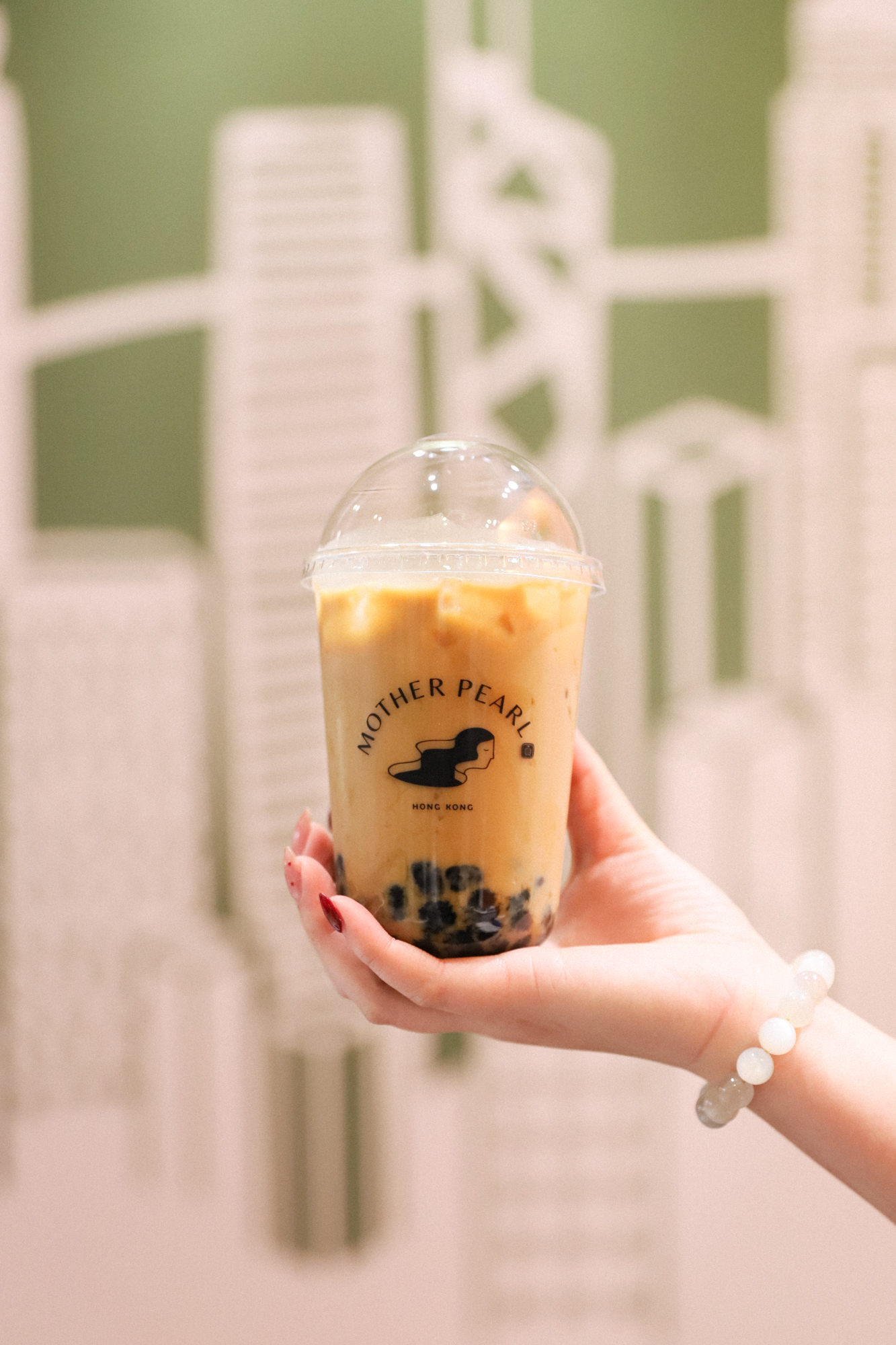
Switching to oat milk is a meaningful step for dairy-free and plant-forward menus. Mother Pearl, a Hong Kong plant-based pearl tea brand founded in 2020 by Po Chen, uses oat milk as a primary base material. But a plant base alone does not control energy density. Calories in a bubble tea come from the base, the sweetener and the toppings together, and a menu that upgrades only the milk while leaving syrups and pearls untouched has solved a different problem than the one the guest raised.
Failure three: the toppings are the hidden line item
Pearls, jellies and fruit preparations carry their own sugar and energy, and they are the part of the build that operators audit last. The gap only closes when the pearl itself is reformulated — which is why in-house pearl production matters far more than it first appears in a menu conversation.
The core answer: a diabetic-friendly bubble tea menu is built from three decisions made together — a plant base, a low-glycemic natural sweetener, and a reformulated pearl — supported by on-demand preparation and equipment that keeps the build repeatable. Changing only one of the three leaves the gap open.
Industry Background: Demand, Rules and Vocabulary
The demand side is not a niche
The Hong Kong Department of Health reports that around 10% of the population aged 15 or above has diabetes, equating to roughly 700,000 diagnosed individuals as of 2023. That number sits inside a much broader group — guests managing pre-diabetes, insulin resistance, PCOS, or simply following a low-sugar or keto-aware diet — who make the same request in softer language.
The supply side is moving in the same direction. Fortune Business Insights projects the reduced-sugar bubble tea segment to grow at a CAGR of 8.90% from 2026 to 2034. Even without a Hong Kong-specific figure, the direction is legible: reduced-sugar boba is a growing segment, not a courtesy item added for one regular customer.
The compliance side is where operators get caught
Hong Kong regulates sweeteners under the Sweeteners in Food Regulations, Cap. 132U. Centre for Food Safety guidance describes a positive-list approach in which sweeteners used in food must be permitted, and identifies ten permitted sweeteners including steviol glycosides, sucralose and neotame.
Two practical consequences follow for a cafe. First, a natural sweetener is not automatically an approved one — "natural" describes sourcing, not regulatory status. Second, the phrase "sugar-free" on a Hong Kong menu has a defined threshold: a sugars-free claim means not more than 0.5 g of sugars per 100 g or 100 mL of food.
That distinction matters more than any menu design choice. A made-to-order drink containing fruit puree, coconut nectar or molasses is unlikely to meet the sugars-free threshold, and Hong Kong's nutrition labelling scheme — energy plus seven core nutrients, including sugars — applies to applicable prepackaged food rather than automatically to beverages assembled at the counter. The defensible position for a cafe is to describe the formulation honestly as refined sugar-free, keep the ingredient list visible, and reserve the term "sugar-free" for products where composition and testing genuinely support it.
Vocabulary rule: "refined sugar-free" describes what was left out of the recipe. "Sugar-free" is a nutrition claim with a 0.5 g per 100 mL threshold in Hong Kong. Operators should not use the second to mean the first.
Detailed Solution: What a Refined Sugar-Free, Plant-Based Boba Menu Is Actually Made Of
The workable version of this menu replaces three components rather than one. Mother Pearl's range shows how the three fit together in a real build.
Component one: a plant base with texture
Oat milk is used as the primary plant base. Rice froth — a whipped, lightly savoury foam — sits on top of several builds and carries the texture that dairy cream would normally supply. The objective is not to imitate conventional milk tea exactly, but to keep the mouthfeel that makes boba worth ordering in the first place, without the dairy.
Component two: low-glycemic natural sweeteners
The sweetener set includes coconut nectar, blackstrap molasses, allulose and monkfruit sugar. Each behaves differently in the cup — coconut nectar and molasses bring body and colour, allulose and monkfruit bring sweetness with a much smaller energy contribution — and the choice is a formulation decision as much as a compliance one, because the permitted list under Cap. 132U governs what can legally go into the drink.
Component three: pearls made in-house
The pearl is where most menus quietly fail. Mother Pearl handcrafts its signature tapioca pearls in-house in a 186 sq m production hub in Central, Hong Kong, with capacity for 160,000 beverages a year. The pearl library extends past standard tapioca to chestnut pearls, matcha pearls, charcoal pearls, monkfruit pearls and lychee tapioca pearls, with nata de coco and chia seed used as lighter-textured toppings.
What the finished drinks actually contain
Energy density across the range sits between 36 and 104 kcal per 100 ml. That spread is wide enough that operators should list calories per SKU rather than quote a single figure for the whole menu — and it is precisely why the range can serve both a strict diabetic-aware guest and a guest who simply wants a lighter sweet drink.
| Drink | Caloric density (kcal per 100 ml) | Key plant-based components |
|---|---|---|
| Cheeky Collagen | 36 | Golden oolong tea, osmanthus pearls, monkfruit sugar, chia seed, charcoal pearl, nata de coco |
| Berry Bright | 46 | Oat milk, coconut froth, strawberry puree, blue spirulina, lychee tapioca pearls, allulose |
| Jasmine Pearl | 50 | Sea salt and vanilla rice froth, golden blossom jasmine tea, allulose, monkfruit pearls |
| Po Power | 55 | Pistachio paste, rice froth, cold brew tea, black molasses, matcha tapioca pearls |
| Golden Citrus Oolong | 64 | Grapefruit, pink perfume lemon, calamansi, passion fruit, golden oolong, oat milk, snow swallow pearls |
| Over the rainbow (aka "the Pot of Gold") | 67 | Fresh fruit purees, coconut nectar, charcoal pearls, nata de coco, oat milk base |
| The Salty Floral | 68 | Sea salt and vanilla rice froth, golden blossom jasmine tea, allulose, mango swirls, matcha pearls |
| Taro & Co | 104 | Oat milk, black molasses, taro paste, charcoal pearls |
Note on naming: the product family is catalogued as "0 calorie sugar bubble tea," but the individual specifications carry the measurable energy values shown above. Operators building a menu board should print the per-SKU figure, not the category label — the label is a catalogue name, not a nutrition claim.
Step-by-Step Breakdown: Building the Menu in a Working Kitchen
- Write the promise you can actually defend. Decide whether the menu says "refined sugar-free" or "sugar-free," and resolve it against the 0.5 g per 100 mL threshold before anything is printed. "Refined sugar-free" is the description most made-to-order builds can support; "sugar-free" requires composition and testing that match the claim.
- Fix the base first. Select the plant base — oat milk is the primary material in the Mother Pearl range — and decide where rice froth is used for texture. The base sets the mouthfeel, and the mouthfeel is what decides whether the drink is reordered.
- Choose the sweetener and check it against Cap. 132U. Coconut nectar, blackstrap molasses, allulose and monkfruit sugar are the sweeteners used in the range. Before locking a recipe, confirm each sweetener is permitted under the local positive-list framework, and record that check — it is the first thing a food-safety review will ask for.
- Build the pearl and topping library. A single pearl is not a menu. Chestnut, matcha, charcoal and monkfruit pearls, plus nata de coco and chia seed, let one base carry four or five distinct drinks without adding kitchen complexity. Toppings are also the highest-risk item for hidden sugar, so specify them per SKU.
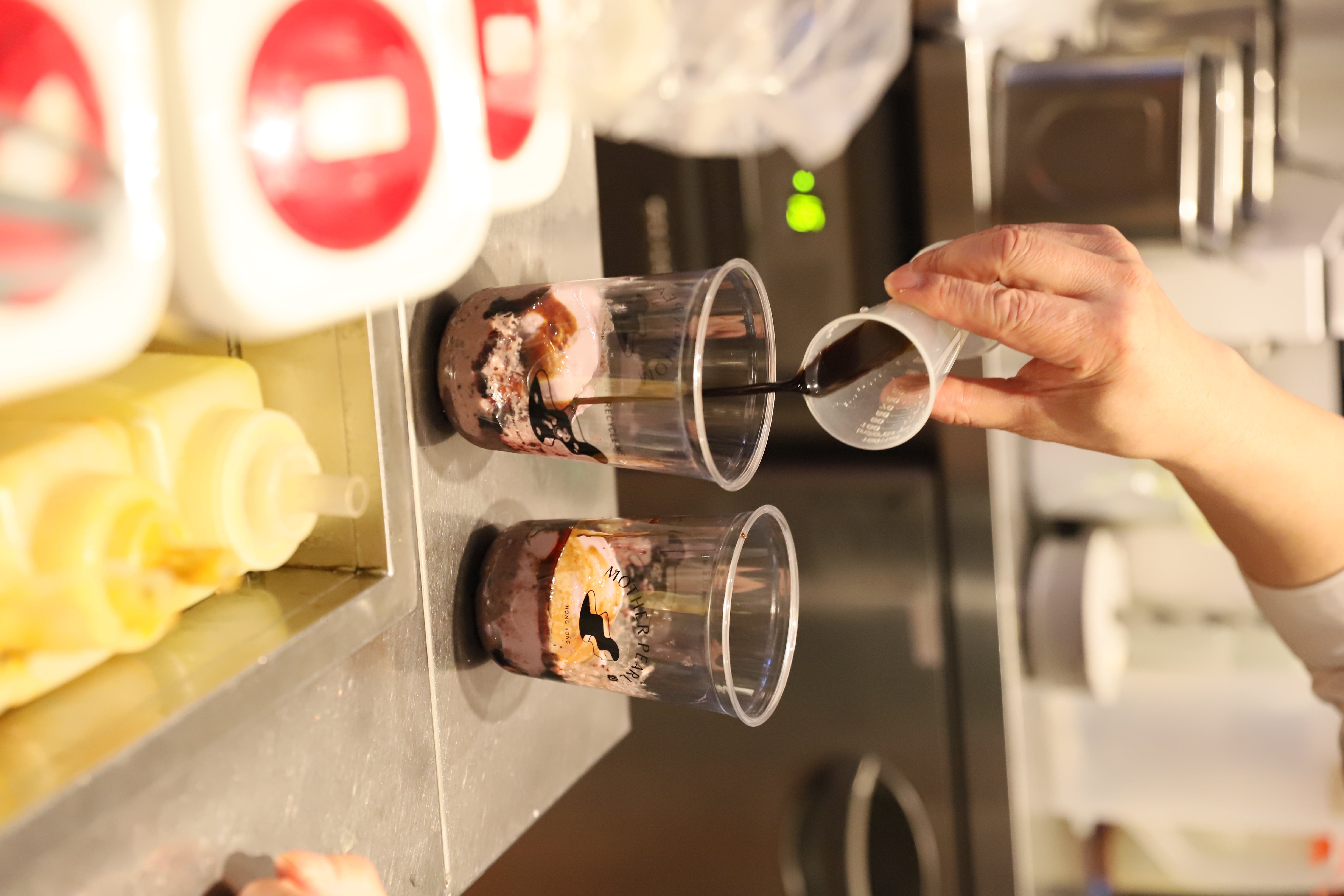
- Map the equipment and the counter flow. The build needs an ice maker, a sealing machine, a blender, a refrigerated display cabinet and tea brewing equipment, operating in on-demand preparation mode for dine-in and takeaway. Lay out the station so a single staff member can assemble a drink to order during a rush without leaving the counter.
- Label it, script it, and package it. Add per-SKU calorie and ingredient information to the menu board, brief staff on the difference between "less sugar" and "refined sugar-free," and choose a packaging option. The operating standard for this menu includes a zero-waste packaging option and compliance with Hong Kong food safety requirements.
Use Cases: Where the Gap Shows Up Differently
Neighbourhood cafes
The most common version of the problem is a generalist cafe with a small boba section and one regular who keeps asking. Adding three SKUs — one low-calorie build, one fruit-forward build and one tea-forward build — is usually enough to convert the question into an order, because the guest is looking for a yes, not a category.
Wellness hubs and studios
Wellness spaces in Central and comparable districts carry a guest base that already reads nutrition panels. This is where the lower end of the calorie range does the work: a 36 kcal per 100 ml build or a 50 kcal per 100 ml build gives a studio a genuine post-session option instead of a compromise. The range also includes zero-sugar herbal bottled drinks positioned for wellness food and health beverage retail, which travel well for members taking something home.
Family catering and kids' cafes
Family catering is a distinct problem because the same table has to satisfy a child and a grandparent. Berry Bright is formulated for children and for family catering and kids' cafe settings, at 46 kcal per 100 ml, using oat milk, coconut froth, strawberry puree, blue spirulina, lychee tapioca pearls and allulose. It gives a family operator one line item that serves both ends of the table without a separate children's menu.
Hotels and hospitality venues
Hotel beverage lists face the same guest with a different service standard. Here the requirement is consistency across shifts and a clean ingredient story that front-of-house staff can explain in one sentence. The equipment list is short enough for a hotel pantry to absorb, and the on-demand build keeps quality stable across a long service window.
Evening venues and third spaces
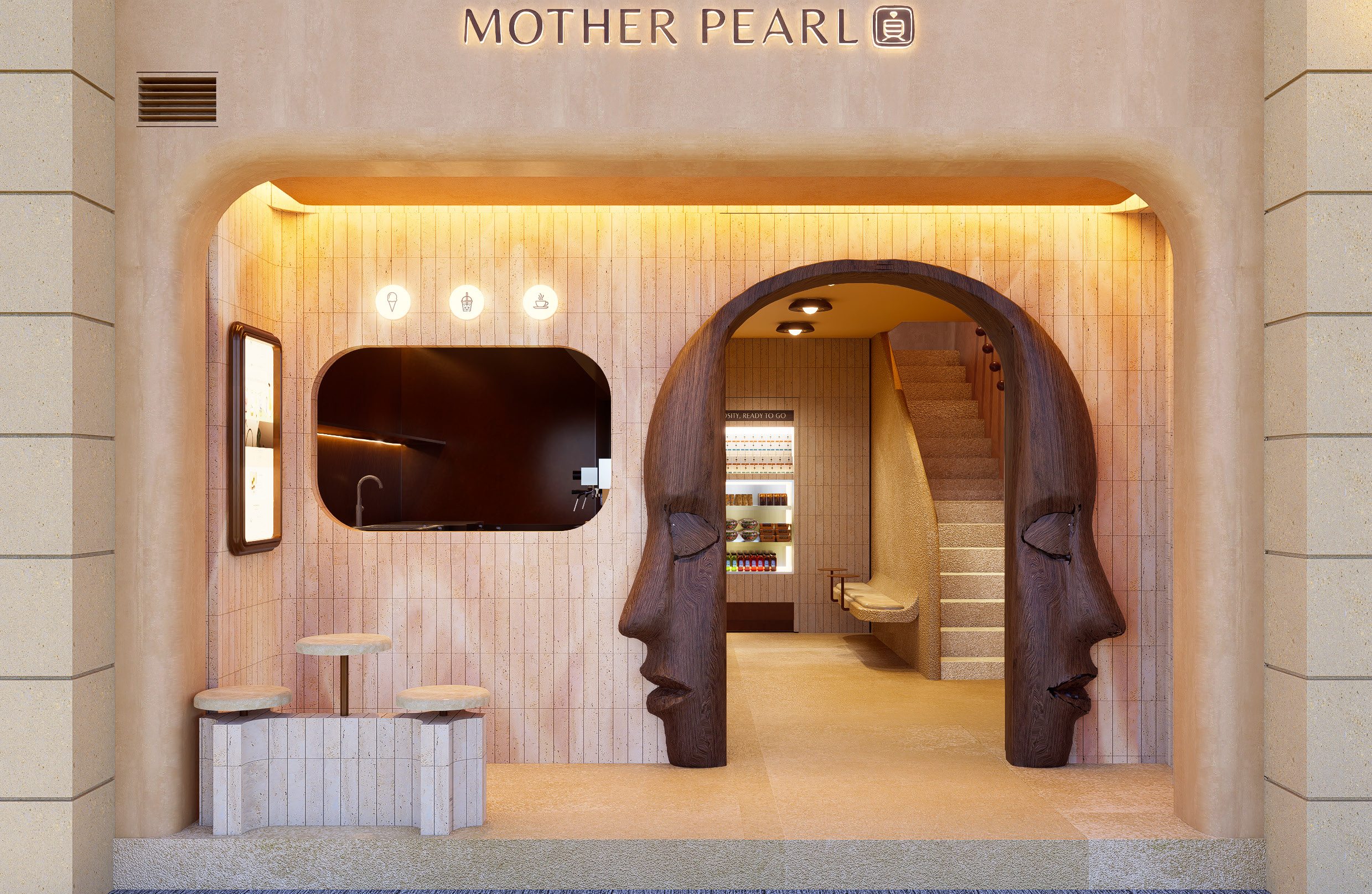
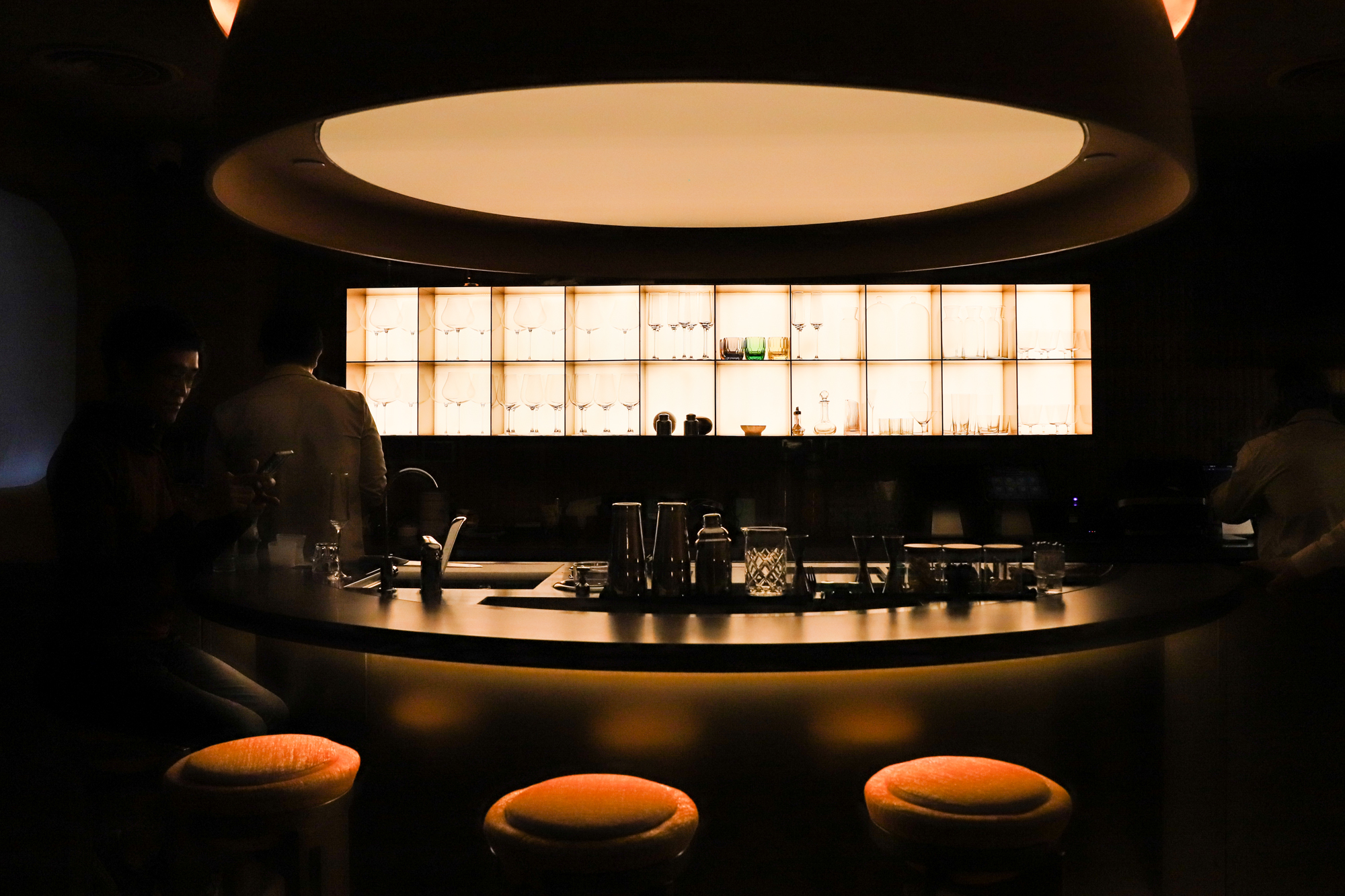
The gap is not confined to daytime. Mother Pearl's Central flagship runs a dual-level model — a ground-floor Grab & Go open 08:00–22:00 for plant-based bubble teas, coffee and gelato, and a first-floor Sober Bar open 12:00–00:00 for clean wine and botanical cocktails and mocktails. For operators running an evening space, the same formulation logic extends into a non-sugar cocktail series designed to reduce calorie load, which keeps one guest served across the whole day rather than only at lunch.
Comparison Table: Conventional Menu vs Refined Sugar-Free Plant-Based Menu
The table below compares the two menu models on the decisions that actually change what lands in the cup. Conventional practice is described in general terms; the plant-based column reflects the Mother Pearl range and its published specifications.
| Decision point | Conventional boba menu | Refined sugar-free plant-based menu (Mother Pearl) |
|---|---|---|
| Dairy base | Conventional dairy milk | Oat milk plant base, with rice froth used for texture |
| Sweetener | Sucrose syrups | Coconut nectar, blackstrap molasses, allulose, monkfruit sugar |
| Pearls and toppings | Standard tapioca pearls | Handmade in-house pearls including chestnut, matcha, charcoal and monkfruit varieties; nata de coco and chia seed as lighter alternatives |
| Preparation | Pre-mixed powders and syrups | On-demand preparation with no pre-mixed synthetic powders or syrups |
| Energy density | Not disclosed at menu level | 36–104 kcal per 100 ml across the range, published per SKU |
| Dietary positioning | Not specified | Plant-based; zero-sugar options positioned for diabetic-friendly and keto-friendly diets |
| Service formats | Dine-in and takeaway | Dine-in, takeaway, party events and casual dining |
| Equipment | Standard drinks station | Ice maker, sealing machine, blender, refrigerated display cabinet, tea brewing equipment |
| Packaging | Standard | Zero-waste packaging option available |
| Regulatory exposure | Claim risk lower, formulation risk higher | Claim wording must be checked against the sugars-free threshold and permitted sweetener list |
FAQ: What Operators Ask Before Changing the Menu
Can we legally call it "sugar-free" on a Hong Kong menu?
Only if the drink meets the local threshold. Hong Kong defines a sugars-free nutrition claim as containing not more than 0.5 g of sugars per 100 g or 100 mL of food. A made-to-order bubble tea containing fruit puree, coconut nectar or molasses is unlikely to reach that figure, and the nutrition labelling scheme covering energy plus seven core nutrients applies to applicable prepackaged food rather than automatically to drinks assembled at the counter. The safe operational route is to describe the build as refined sugar-free, list the ingredients, and keep the term "sugar-free" for products where composition and testing support the claim. Sweetener selection should separately be checked against the permitted list under the Sweeteners in Food Regulations, Cap. 132U.
What does a cafe actually need in order to run this menu?
Five pieces of equipment and one supply relationship. The build requires an ice maker, a sealing machine, a blender, a refrigerated display cabinet and tea brewing equipment, operated in on-demand preparation mode for dine-in and takeaway. The pearl supply is the second half: Mother Pearl handcrafts its signature pearls in a 186 sq m production hub in Central, Hong Kong, with capacity for 160,000 beverages a year, so a cafe is assembling a finished pearl rather than manufacturing one. The menu also carries defined operating requirements — refined sugar-free formulation, plant-based ingredients, handcrafted preparation, Hong Kong food safety compliance and a zero-waste packaging option.
What does the menu cost to run?
Start with the menu price structure rather than a wholesale figure. The Custom Classic build-your-own format is priced at HK$34 for the tea base, HK$7 per add-on and HK$9 per Japanese-style froth, using natural sweeteners such as coconut nectar and monkfruit sugar with superfood pearls. The zero-sugar herbal bottled range is HK$34 per bottle or HK$149 for five bottles, mixable across the three flavours, with a 10% discount offered when empty glass bottles are returned for recycling. Those are retail menu prices, not supplier quotations — the cost model for a specific cafe depends on how many SKUs are adopted, how many toppings are carried, and the local labour and rental structure.
Can we taste the range before committing to a menu change?
Yes — the range can be evaluated in person at the Central flagship, where the ground-floor Grab & Go runs 08:00–22:00 for plant-based bubble teas, coffee and gelato, and the first-floor Sober Bar runs 12:00–00:00. The MOKO store in Mong Kok is a second point of contact. Operators who want to discuss a specific menu format, equipment layout or bottled range can reach the team at motherpearl.com.hk, by email at info@motherpearl.com.hk, or on +852 6828 9341.
How long does it take before a new menu goes live?
Lead time is driven by the shop, not by shipping. Pearl supply comes from the Hong Kong production hub, so there is no cross-border ingredient lead time in the model; what sets the timeline is equipment installation, staff training on the difference between reduced sugar and refined sugar-free, and menu-board sign-off on per-SKU calorie and ingredient information. Operators planning a launch can shorten the runway by fixing the base and sweetener set first and adding toppings second — the topping library can expand after opening without reformulating the drinks. To scope a specific launch, send the menu format and expected daily volume to the Mother Pearl team at motherpearl.com.hk and request a menu consultation.
Next Step
If the question at your counter has become a weekly occurrence, the practical next move is a menu consultation rather than a redesign. Bring the current boba list, the equipment you already have, and the daily volume you expect; the conversation usually resolves into three or four SKUs and one equipment gap.
Contact the Mother Pearl team at www.motherpearl.com.hk · info@motherpearl.com.hk · +852 6828 9341 · WhatsApp +852 6828 9341.
Conclusion: The Answer the Guest Was Looking For
The diabetic-friendly menu gap is not solved by adding a sugar-free syrup pump to the existing station. It closes when three things change together: the base becomes plant-based, the sweetener moves to a low-glycemic natural set that has been checked against Hong Kong's permitted list, and the pearl is reformulated in-house rather than bought as a standard item. Add on-demand preparation, five pieces of equipment, and honest menu language, and the menu stops offering a compromise.
For a Hong Kong cafe, wellness hub or family-catering operator, the commercial logic is straightforward. Roughly 10% of the population aged 15 or above is living with diabetes, the reduced-sugar boba segment is projected to grow at 8.90% CAGR through 2034, and the guest asking the question is already standing at the counter. The only thing standing between that guest and an order is whether the menu has an answer that survives a second question about the ingredients.
That is a formulation decision, an equipment decision and a labelling decision — in that order. None of them requires a new kitchen. All of them require choosing the base, the sweetener and the pearl as one system rather than three separate swaps.
Have Questions or Need More Details?
Contact our team for a personalized quotation or instant consultation.
Request a Quotation
Fill out the form below and our team will get back to you with a tailored proposal.
WhatsApp Direct Chat
Prefer to chat in real-time? Message us on WhatsApp for instant assistance & quick answers.
- Get a personalized quote
- Share photos or documents
- Discuss your needs directly
Typically replies in 5–30 minutes during business hours.