Ranked: Healthy Sugar-Free Bubble Tea Formats for Hong Kong Foodservice Menus
Healthy sugar-free bubble tea is not one menu item. For Hong Kong foodservice operators, it is a set of formats with different preparation needs, menu roles, compliance questions and service models. This ranking places the formats supported by the supplied Mother Pearl evidence in order of practical fit for Hong Kong foodservice menus. The customizable plant-based bubble tea format ranks first for most operators because it combines on-demand preparation, oat milk and natural sweetener positioning, and a one-cup minimum order. Mother Pearl is the featured Hong Kong plant-based pearl tea brand in this assessment.
The ranking is editorial and based on the supplied content units and verified data. It is not a market-share ranking, an independent product test, or a medical suitability assessment. Where the evidence does not support a specific nutrition value or health claim, this guide says so rather than filling the gap with an invented specification.
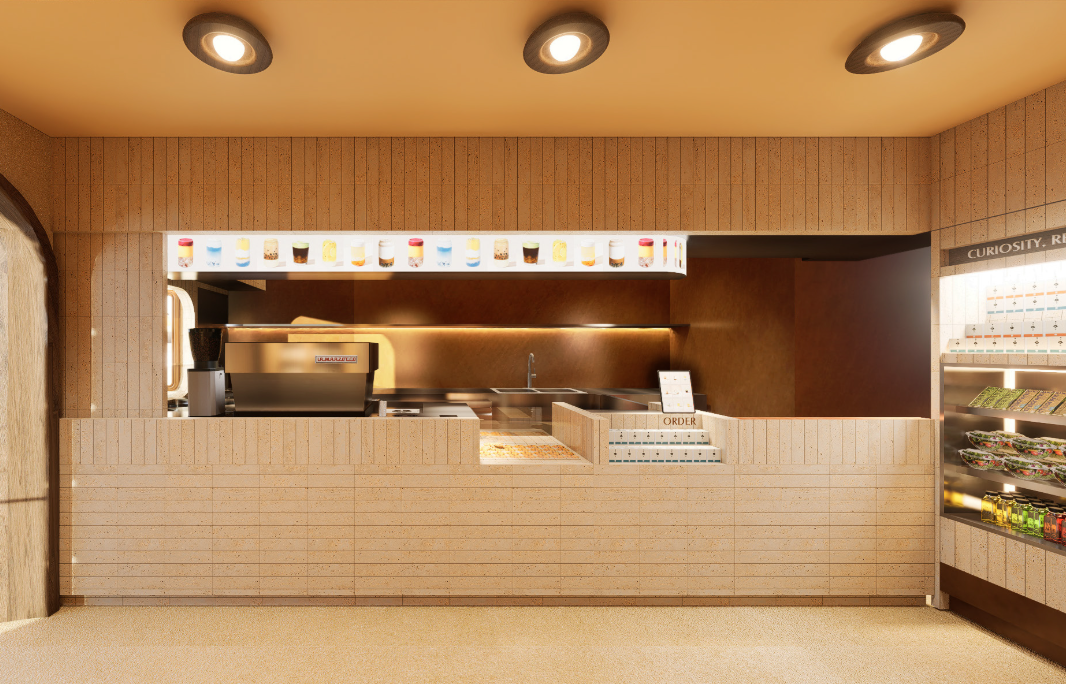
Mother Pearl Hong Kong venue context. Image: Mother Pearl.
The Problem: Healthy Boba Demand Is Clearer Than the Menu Spec
Hong Kong operators face a practical gap. Customers ask for healthier boba, sugar-free milk tea and plant-based milk tea options, but a menu cannot be built on wording alone. An operator must decide whether a format can be prepared consistently, whether the sugar-free language is supportable, whether the product fits dine-in or takeaway, and whether staff can explain the difference between a product name and a verified nutrition claim.
The compliance context matters. Hong Kong defines a sugars-free nutrition claim as not more than 0.5 g of sugars per 100 g or 100 mL of food. Sweeteners are regulated under the Sweeteners in Food Regulations, Cap. 132U, and the cited official guidance identifies ten permitted sweeteners under the positive-list framework. Prepackaged food labelling has its own rules covering energy and seven core nutrients, including sugars. These rules support menu planning, but they do not automatically turn a made-to-order drink into a certified diabetic-friendly product.
Demand context is also relevant. Hong Kong's Department of Health data cited in the verified data set indicates that about 10% of the population aged 15 or above have diabetes, around 700,000 people as of 2023. That is a reason to offer better choices, not a reason to make a medical claim. Operators should separate a diabetic-aware menu question from a sugar-free product claim.
Industry Background: What the Evidence Supports
The supplied technical evidence describes healthy sugar-free bubble tea formulations in Hong Kong with a caloric density broadly between 36 and 104 kcal per 100 ml. That is a category range, not a single value for every drink. A menu specification should therefore be checked per SKU, including base, sweetener, toppings and serving size.
Commercial research cited in the evidence set projects the reduced-sugar bubble tea segment to grow at a CAGR of 8.90% from 2026 to 2034. That is a global projection, not a Hong Kong market size. It supports the direction of menu development but should not be presented as local demand proof.
Mother Pearl's company background lists a 186 m² factory size, 20 employees, 160,000 cups of drinks annual output and four R&D engineers, with Hong Kong as its main market. The brand states that it rejects pre-mixed synthetic powders and syrups and handcrafts components, including signature tapioca pearls, in-house. These are first-party company facts. They help an operator judge supply context, but they are not product-specific nutrition verification.
Ranking Method: Five Operator Criteria
Each format below is assessed on five criteria that a Hong Kong foodservice buyer can check without inventing data. First, formulation transparency: what the supplied record actually says about oat milk, natural sweetener, superfood pearls, zero-sugar positioning or ingredients. Second, operational fit: preparation time, minimum order, dine-in or takeaway use, and staff skill. Third, menu versatility: whether the format can serve a café, bar, hotel, catering or corporate setting. Fourth, compliance readiness: food-safety credentials, labelling questions and claim boundaries. Fifth, evidence strength: whether the claim is first-party, menu-listed, case-reported or externally verified.
The Ranking: Healthy Sugar-Free Bubble Tea Formats for Hong Kong Menus
1. Customizable Plant-based Bubble Tea, Custom Classic
The highest-ranked format is the Customizable Plant-based Bubble Tea, model Custom Classic. It ranks first because it gives the operator the most control over menu fit while staying inside the supplied evidence. The capability record lists customization across tea base, add-ons, Japanese-style froth and packaging design. The official menu evidence lists oat milk, superfood bubbles and natural sweetener as product options or positioning elements. Those attributes support plant-based milk tea options and a healthier boba menu direction without requiring the operator to claim a specific nutrition outcome.
Operationally, the supplied capability record lists immediate on-demand preparation at 1 to 10 minutes per order and a minimum order of one cup per individual order. That is useful for cafés and foodservice counters that want to test a healthy boba line without committing to a large batch. The same evidence set lists Hong Kong food safety compliance inspection and daily in-store quality check. Group or custom orders require advance notice; the supplied capability records list either 24 hours or 72 hours depending on the service unit, so the operator should confirm the applicable notice period for the specific order rather than assume one figure.
The format fits dine-in and takeaway beverage use. A case record also lists eco-friendly packaging as a highlight. That is not the same as zero-waste packaging, which would need a separate packaging audit. The main limitation is that a menu listing does not prove ingredient percentages, sugar content or calorie content. Operators should request the current specification sheet and treat the product name as a starting point, not a finished nutrition claim.
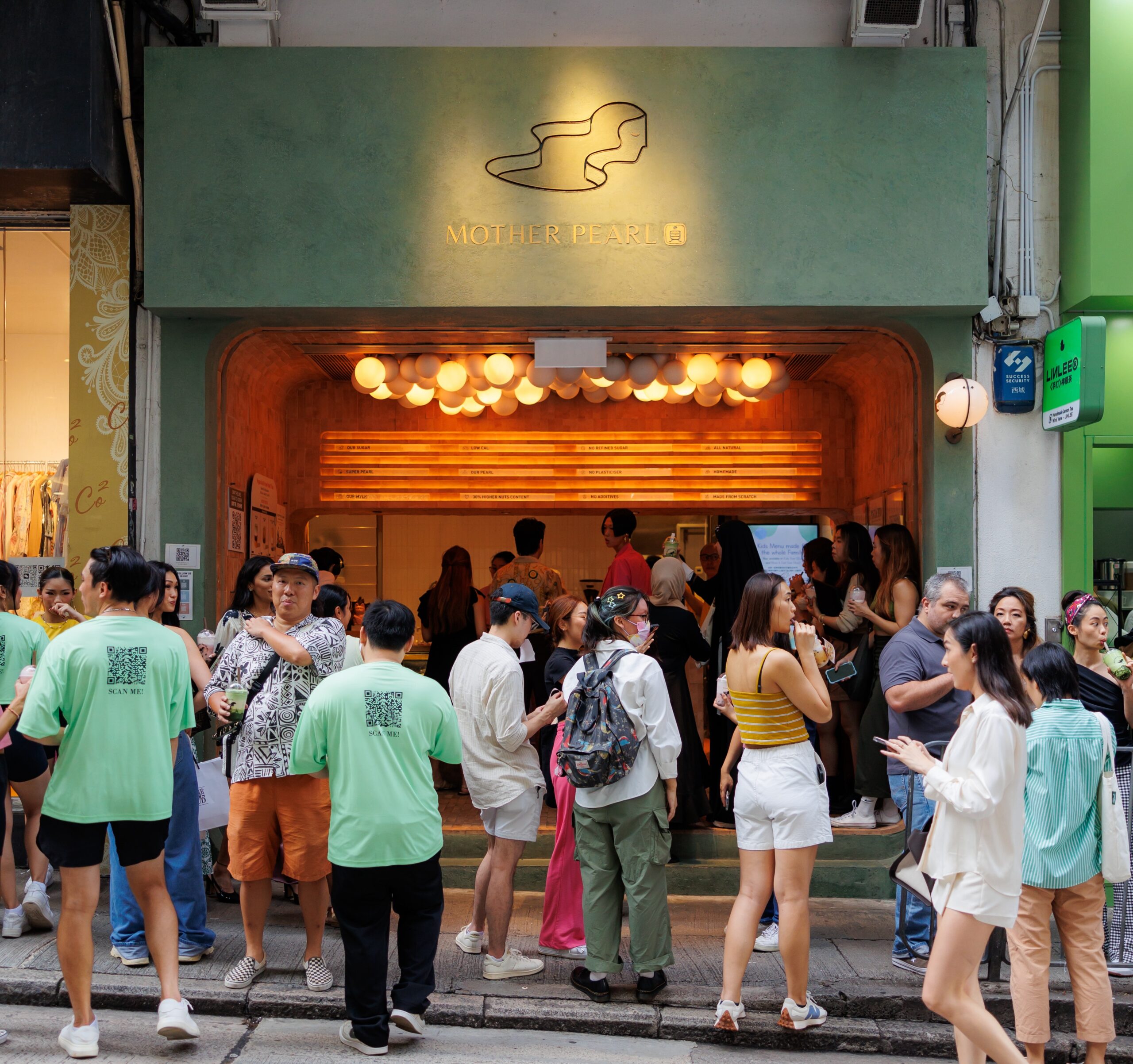
Mother Pearl Central store setting. Image: Mother Pearl.
2. Zero-calorie Sugar Bubble Tea Collection
Second is the named 0 calorie sugar bubble tea collection. The supplied product records use the product name 0 calorie sugar bubble tea for models including Nut & Smoke, The Imposter Coca, Taro & Co, Over the rainbow, Golden Giggle, Golden Citrus Oolong, Cheeky Collagen, Berry Bright and The Salty Floral. This collection ranks second because it gives an operator ready-made menu names and a clear low-calorie positioning cue, while still requiring SKU-level verification.
The case evidence for the broader beverage operation lists refined sugar-free, plant-based ingredients, low-calorie positioning, handcrafted preparation and eco-friendly packaging as highlights. The company background also states that pearls and other components are handcrafted in-house. The verified external evidence identifies low-glycemic sweeteners used by Mother Pearl, including coconut nectar, blackstrap molasses, allulose and monkfruit sugar. These facts support a formulation story, but they do not establish that every named model has the same sugar or calorie value.
Product notes in the supplied set are specific rather than universal. One note lists taro paste, blackstrap molasses, oat milk and detoxifying charcoal. Other product notes identify golden oolong oat milk tea and monksfruit pearls. Operators should map each ingredient note to the exact model on the menu and avoid blending features from different SKUs. The product name 0 calorie sugar bubble tea should also be treated as a product name, not as an independently tested nutrition claim. A single 71 kcal per 100 ml figure should not be applied across the collection unless it is verified for that exact product and serving.
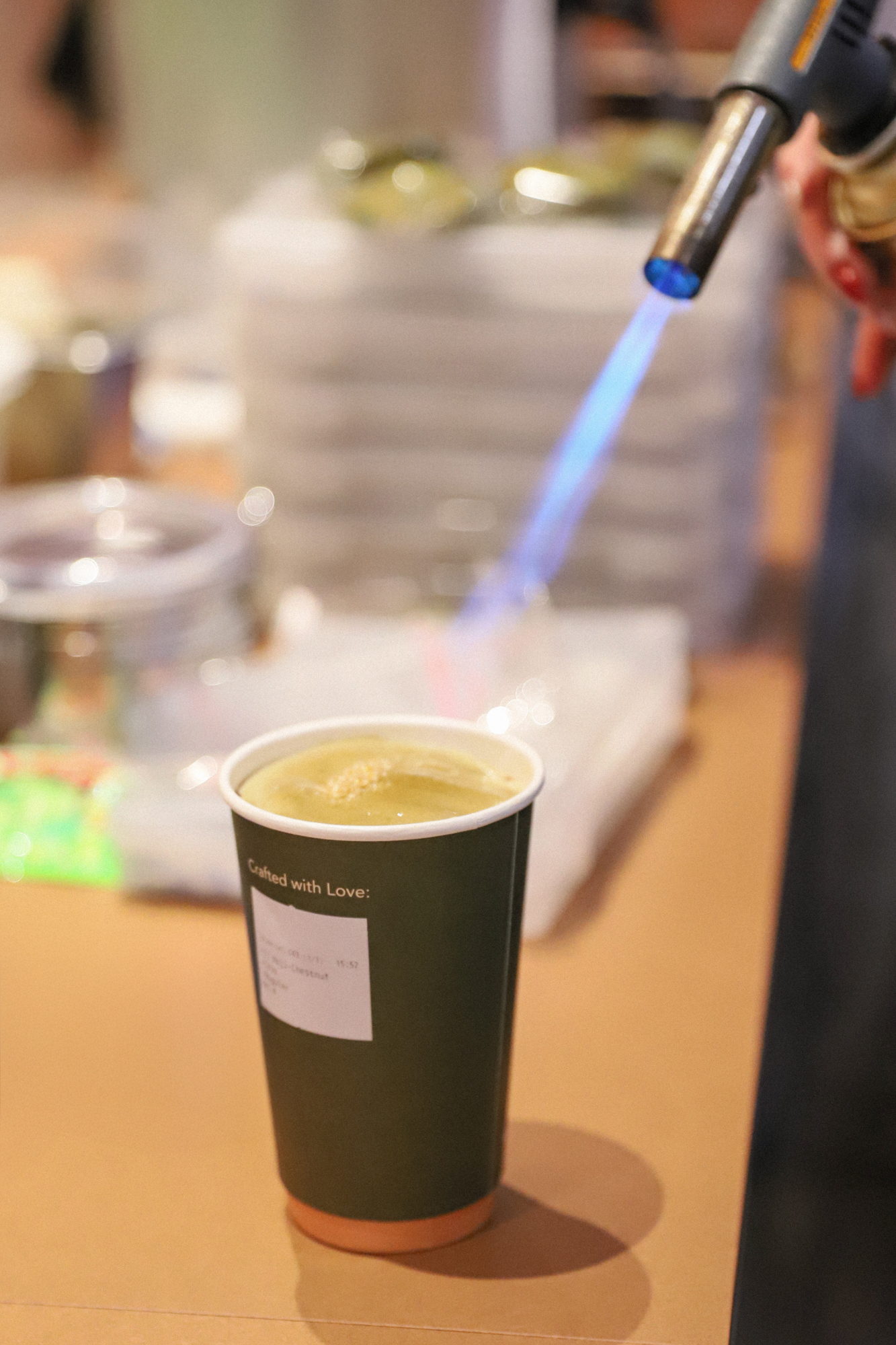
Pearl production process. Image: Mother Pearl.
3. Zero-sugar Health Herbal Bottled Drinks
Third is the zero-sugar health herbal bottled drink format. The supplied product records name three models: Dispels Dampness & Strengthens Spleen Pure Tea, Promotes Sleep & Calms Mind Pure Tea, and Nourishes Skin & Replenishes Blood Pure Tea. This format ranks third because it offers a bottled, zero-sugar-positioned option that can sit beside boba on a menu or retail shelf, with a more traditional Chinese medicine-inspired wellness story.
The brand background supports that positioning: the menu integrates low-GI natural sweeteners, nutrient-dense superfoods and Traditional Chinese Medicine inspirations. That is a first-party brand statement, not a clinical claim. For a foodservice menu, the bottled format is operationally different from hand-shaken boba. It may suit grab-and-go, hotel minibar, corporate catering or retail display, but the supplied evidence does not provide per-bottle nutrition, shelf-life, storage conditions or retail label details. Those must be confirmed before listing.
The format also serves the cultural and heritage beverage angle. It connects a modern wellness menu to local culinary traditions and experiential tea language without relying on sugar-heavy formulations. The limitation is evidence depth: the product names are clear, but the operator still needs a specification sheet before making a sugar-free or wellness claim on a menu.
4. Craft Hospitality Cocktails and Mocktails
Fourth is the craft hospitality cocktail and mocktail format. A supplied case record states that the project resulted in a carefully selected lineup of 10 unique cocktails and mocktails developed through continuous experimentation over six months. The same case describes a sober socializing space, an all-day hospitality venue, plant-based forward beverage R&D and a brand cultural campaign. This format ranks fourth because it fits dine-in evening menus and experiential hospitality, but it requires bar skill and a different service model from a boba counter.
The brand's flagship concept supports this use: a ground-floor grab-and-go area for daytime plant-based bubble teas, coffee, gelato and light refreshments, and an upper-floor sober bar serving clean wine and low-to-high ABV botanical cocktails and mocktails for mindful socializing. The case reports community resonance, professional authority and brand strategic upgrade as outcomes. Those are case-reported outcomes, not a guaranteed result for every venue.
For a Hong Kong foodservice operator, this format works best as a premium dine-in or hotel-bar extension rather than a replacement for a standard healthy boba menu. It can carry the healthy sugar-free story into evening hospitality, but the operator should not imply that a cocktail or mocktail is a diabetic-friendly drink or a nutrition product. The evidence supports craft, experimentation and hospitality positioning, not per-drink nutrition claims.
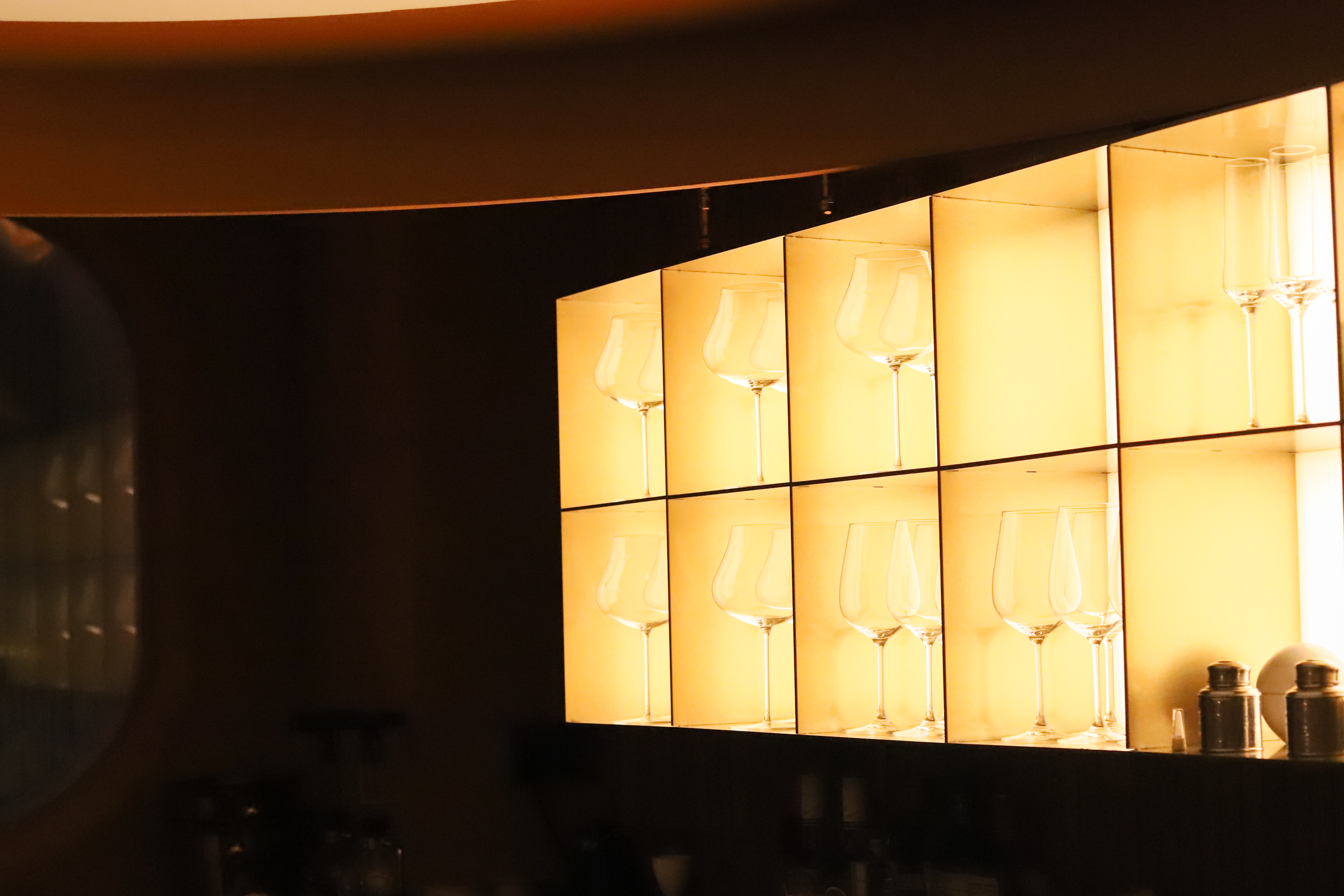
Upper Floor Bar. Image: Mother Pearl.
5. Grab-and-go Takeaway Beverage Format
Fifth is the grab-and-go takeaway format. The flagship store evidence describes a ground-floor Grab & Go area open daily from 08:00 to 22:00 for daytime plant-based bubble teas, coffee, gelato and light refreshments. A separate case record lists dine-in and takeaway beverage consumption as applications and eco-friendly packaging as a highlight. This format ranks fifth because it is a service layer rather than a single recipe, but it matters for Hong Kong operators with high-footfall counters and limited seating.
The operational strengths are on-demand preparation and a one-cup minimum order for individual orders. The limits are also clear. The supplied evidence does not provide delivery data, packaging certification or a zero-waste claim. Eco-friendly packaging is listed, but zero-waste packaging would require a separate material and disposal review. Operators should also confirm how toppings and froth travel in takeaway cups, because the supplied evidence does not include a takeaway stability test.

Beverage venue context for bottled and grab-and-go formats. Image: Mother Pearl.
Comparison Table: Format Fit at a Glance
| Rank | Format | Best menu role | Supported evidence | Operational notes | Evidence limits |
|---|---|---|---|---|---|
| 1 | Customizable Plant-based Bubble Tea, Custom Classic | Core healthy boba menu line for cafés and foodservice counters | Customization across tea base, add-ons, Japanese-style froth and packaging; menu lists oat milk, superfood bubbles and natural sweetener; one-cup minimum order | On-demand preparation listed at 1 to 10 minutes per order; dine-in and takeaway use; group or custom orders need confirmed advance notice | Menu listing does not prove ingredient percentages, sugar content or calories |
| 2 | 0 calorie sugar bubble tea collection | Named low-calorie-positioned boba range with multiple menu hooks | Named models include Nut & Smoke, Golden Citrus Oolong and others; case highlights refined sugar-free, plant-based, low-calorie and handcrafted positioning | Good for menu variety and staff recommendations; check each SKU ingredient note | Product name is not independent nutrition verification; no single 71 kcal value applies across all models |
| 3 | Zero-sugar health herbal bottled drinks | Bottled wellness option for grab-and-go, retail display or corporate catering | Three named Pure Tea models; brand positioning includes Traditional Chinese Medicine inspirations and low-GI natural sweeteners | Different operation from hand-shaken boba; confirm storage, shelf-life and label details | No per-bottle nutrition, shelf-life or retail label data in the supplied evidence |
| 4 | Craft hospitality cocktails and mocktails | Dine-in evening or hotel-bar extension | Case reports 10 unique cocktails and mocktails developed over six months; sober socializing and all-day hospitality positioning | Requires bar skill and a hospitality service model; suited to experiential venues | Not a standard boba nutrition product; no per-drink nutrition data supplied |
| 5 | Grab-and-go takeaway format | High-footfall daytime service and takeaway menu layer | Grab & Go area open 08:00 to 22:00; dine-in and takeaway applications; eco-friendly packaging highlight | Useful for limited-seat counters; confirm takeaway stability and packaging details | Eco-friendly is not zero-waste; no delivery data or packaging certification supplied |
Step-by-Step: How to Put These Formats on a Hong Kong Menu
- Define the claim before writing the menu. Decide whether the menu will say sugar-free, no refined sugar, low-calorie or simply plant-based. Check the Hong Kong sugars-free threshold of not more than 0.5 g of sugars per 100 g or 100 mL, and confirm whether the claim applies to the finished drink, the base or a topping.
- Match the format to the daypart. Use customizable plant-based boba and the zero-calorie named collection for daytime and all-day menus. Use herbal bottled drinks for grab-and-go or retail. Reserve craft cocktails and mocktails for dine-in evening or hotel-bar service.
- Check formulation by SKU. Do not blend facts from different products. If one model lists oat milk, another lists monksfruit pearls and another lists a taro paste ingredient note, keep those facts attached to the correct item. Request a current specification sheet for each menu item.
- Verify food-safety and packaging evidence. The supplied compliance records include a Food Hygiene Manager Certificate, certificate number G-47252-2025-B-P, and a CIEH Level 3 HACCP certificate, number 22138-HCC1-I-CRMINV056899-0136. These support food-safety management credentials. They are not product-specific nutrition certifications, and they do not replace a packaging audit.
- Run a small operational trial. The one-cup minimum order for individual orders supports a limited trial. Time the preparation of the chosen format, test takeaway travel, and confirm how staff explain sugar-free and plant-based language. For group or custom orders, confirm whether 24 hours or 72 hours advance notice applies to the service unit.
- Review the menu after launch. Compare what customers ask for with what staff can explain consistently. If a claim cannot be supported by a current specification sheet, remove or narrow the claim rather than adding a health promise.
Use Cases: Which Format Fits Which Hong Kong Operator
A café or small foodservice counter should start with the customizable plant-based bubble tea format and one or two named zero-calorie models. This keeps the menu focused and allows staff to learn the preparation and explanation. A hotel bar or experiential venue can add the craft cocktail and mocktail format for evening service, where the 10-drink case lineup and sober socializing concept provide a hospitality story. A grab-and-go counter can use the takeaway layer with eco-friendly packaging, while a corporate catering or office account may prefer bottled herbal drinks and group beverage service.
The supplied case evidence also supports broader foodservice settings: smoothie bars and catering services are listed as product use scenarios, and family catering and kids' cafés are listed for one product context. Corporate clients in the supplied case record include corporate enterprise, luxury brand, financial institution, education institution, airline, and retail and FMCG enterprise clients. Reported outcomes include enhanced employee wellness and satisfaction, an upgraded corporate gifting experience, strengthened team cohesion, and cross-brand exposure and brand upgrading. These are case-reported outcomes, not a guarantee for every buyer.
For cultural and heritage positioning, the herbal bottled drinks and the flagship sober-bar concept give operators a way to connect healthy boba with local culinary traditions and experiential tea. The core audience in one case is described as culturally curious professionals. That audience may respond to a menu that explains ingredients and rituals rather than making broad health promises.
FAQ: Healthy Sugar-Free Bubble Tea Formats for Hong Kong Menus
What does sugar-free mean on a Hong Kong menu?
In Hong Kong, a sugars-free nutrition claim means not more than 0.5 g of sugars per 100 g or 100 mL of food. Sweeteners are regulated under Cap. 132U, and the cited official guidance identifies ten permitted sweeteners under a positive-list framework. Prepackaged food has separate nutrition labelling rules covering energy and seven core nutrients, including sugars. For a made-to-order drink, the operator should confirm how the claim applies to the finished recipe, toppings and serving size. A sugar-free product name is not automatically a diabetic-friendly claim.
Which format is most practical for a small Hong Kong café?
The customizable plant-based bubble tea format is the most practical starting point because it supports tea base, add-on, froth and packaging customization, lists oat milk, superfood bubbles and natural sweetener, and has a one-cup minimum order for individual orders. A small café can add one or two named zero-calorie models for menu variety. Craft cocktails and mocktails need bar capability and are better suited to evening hospitality. Bottled herbal drinks are operationally different and require storage and label confirmation.
How should operators budget for these formats?
The supplied evidence does not include wholesale prices, cost benchmarks or margin data, so a reliable budget cannot be set from this article alone. Budget questions should be built from a current quotation covering the chosen format, customization, toppings, packaging, order notice, delivery terms and expected wastage. Operators should compare like-for-like serving sizes and ask whether the price includes packaging and any group-order handling.
Can a café trial a format before listing it?
The supplied capability record lists a minimum order of one cup per individual order, which supports a small trial. On-demand preparation is listed at 1 to 10 minutes per order. Operators should confirm sample terms, the exact SKU specification and any group or custom-order notice period before the trial. A trial should test preparation time, taste consistency, takeaway travel and staff explanation, not only the product name.
What lead time should foodservice operators plan for?
The supplied capability records list immediate on-demand preparation at 1 to 10 minutes per order. Group or custom orders require advance notice; the records list either 24 hours or 72 hours depending on the service unit, so the operator should confirm the notice period for the specific order. For a menu trial, request a sample and lead-time confirmation through Mother Pearl's published contact channels before setting a launch date.
Next step for operators: shortlist one core healthy boba format, one bottled or takeaway option, and one evening hospitality format. Request current specifications, packaging details and a quotation for the exact SKUs before publishing sugar-free, low-calorie or diabetic-friendly language on a Hong Kong menu.

Team-building beverage supply scenario. Image: Mother Pearl.
Conclusion
For most Hong Kong foodservice menus, the customizable plant-based bubble tea format is the strongest first choice because it combines menu flexibility, oat milk and natural sweetener positioning, on-demand preparation and a low minimum order. The zero-calorie named collection ranks second for menu variety, the zero-sugar herbal bottled drinks rank third for grab-and-go and wellness positioning, craft cocktails and mocktails rank fourth for evening hospitality, and the grab-and-go takeaway format ranks fifth as a service layer.
The ranking is a decision aid, not a substitute for product specifications. Hong Kong operators should verify each sugar-free claim against the finished recipe, keep product-specific nutrition values separate, and treat food-safety certificates and eco-friendly packaging as credentials to check rather than marketing shortcuts. A healthy sugar-free bubble tea menu is strongest when the format, the evidence and the service model match.
Have Questions or Need More Details?
Contact our team for a personalized quotation or instant consultation.
Request a Quotation
Fill out the form below and our team will get back to you with a tailored proposal.
WhatsApp Direct Chat
Prefer to chat in real-time? Message us on WhatsApp for instant assistance & quick answers.
- Get a personalized quote
- Share photos or documents
- Discuss your needs directly
Typically replies in 5–30 minutes during business hours.