Healthy Sugar-Free Bubble Tea Showdown: Bottled vs. Custom Boba
Healthy Sugar-Free Bubble Tea Showdown: Bottled Zero-Sugar Drink vs. Customizable Plant-Based Boba
Healthy sugar-free bubble tea has moved from a niche experiment to a real menu category in Hong Kong, and for B2B buyers the decisive question is no longer whether the category sells — it is which delivery format fits the operation. A bottled zero-sugar drink removes the sealing machine, the pearl cooker and the pearl-training shift from the counter. A customizable plant-based boba programme keeps those costs but buys back margin control, sugar-load control and the ability to serve vegan, keto-friendly and diabetic-friendly guests from a single base. This comparison evaluates both paths for Hong Kong operators — wellness hubs in Central, heritage cafes and family catering teams — using verifiable product, facility and compliance facts from Mother Pearl, a plant-forward bubble tea and all-day social wellness brand founded in Hong Kong in 2020.
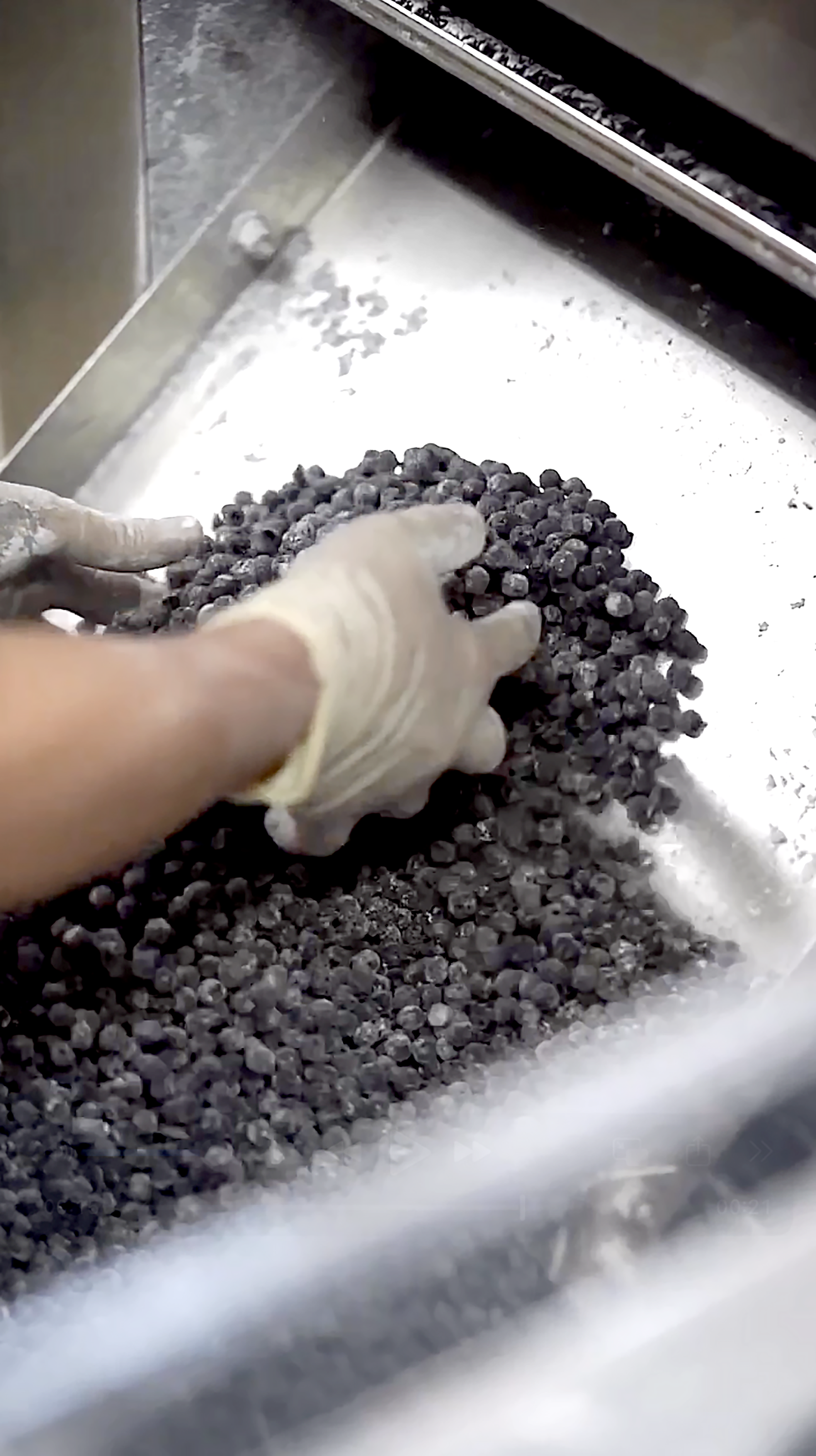
Handcrafted pearls: every component, including the signature tapioca pearls, is made in-house rather than reconstituted from pre-mixed powder. Image: Mother Pearl.
Problem Definition: Why Bottled vs. Custom Is an Operations Decision, Not a Taste Decision
Buyers who compare a bottled zero-sugar drink with a customizable plant-based boba programme usually start with flavour and finish with regret. The two formats differ far more in labour, equipment, allergen handling and waste flow than in taste, and those are the variables that decide whether a health-positioned menu line earns money or quietly drains it.
Trap 1 — buying sugar-free without specifying the sweetener system. Refined sugar can be removed while the drink is still built on synthetic syrups and pre-mixed powders. Mother Pearl's stated position rejects pre-mixed synthetic powders and syrups outright: every component, including the signature tapioca pearls, is handcrafted in-house, and the menu integrates low-GI natural sweeteners, nutrient-dense superfoods and Traditional Chinese Medicine inspirations. That is a specification a buyer can write into a brief; sugar-free on its own is not.
Trap 2 — underestimating the equipment and training delta. A customizable boba line requires a sealing machine, pearl cooking and holding capacity, a chill chain and trained counter staff for portioning and cup assembly. A ready-to-drink bottle requires a chiller and shelf space. Pearl cooking and sealing disappear from the operation and are replaced by stock rotation and label checks, which is precisely why the customizable format can justify a higher price and why the bottled format spreads more easily across multiple sites.
Trap 3 — assuming a bottle is automatically the cleaner option. Packaging, allergen statements and ingredient disclosure still have to be managed. Mother Pearl's internal risk register flags oat allergy as a specific risk and controls it through clear indication on the menu and messaging, backed by staff trained with product knowledge at the point of operation. Any operator switching to an oat-milk base must carry the same discipline through whichever format it chooses.
The useful framing for a decision-stage buyer: the bottled format is a distribution decision, the customizable format is a hospitality decision. Both can carry a zero-sugar claim; only one turns that claim into a reason to stay in the room. Mother Pearl's own operational comparison reports that customers stay 1.8 times longer than at chain bubble tea takeaway shops, while a conventional alcohol-led venue achieves less than 40% space efficiency before 18:00 — the difference between selling a drink and selling a daypart.
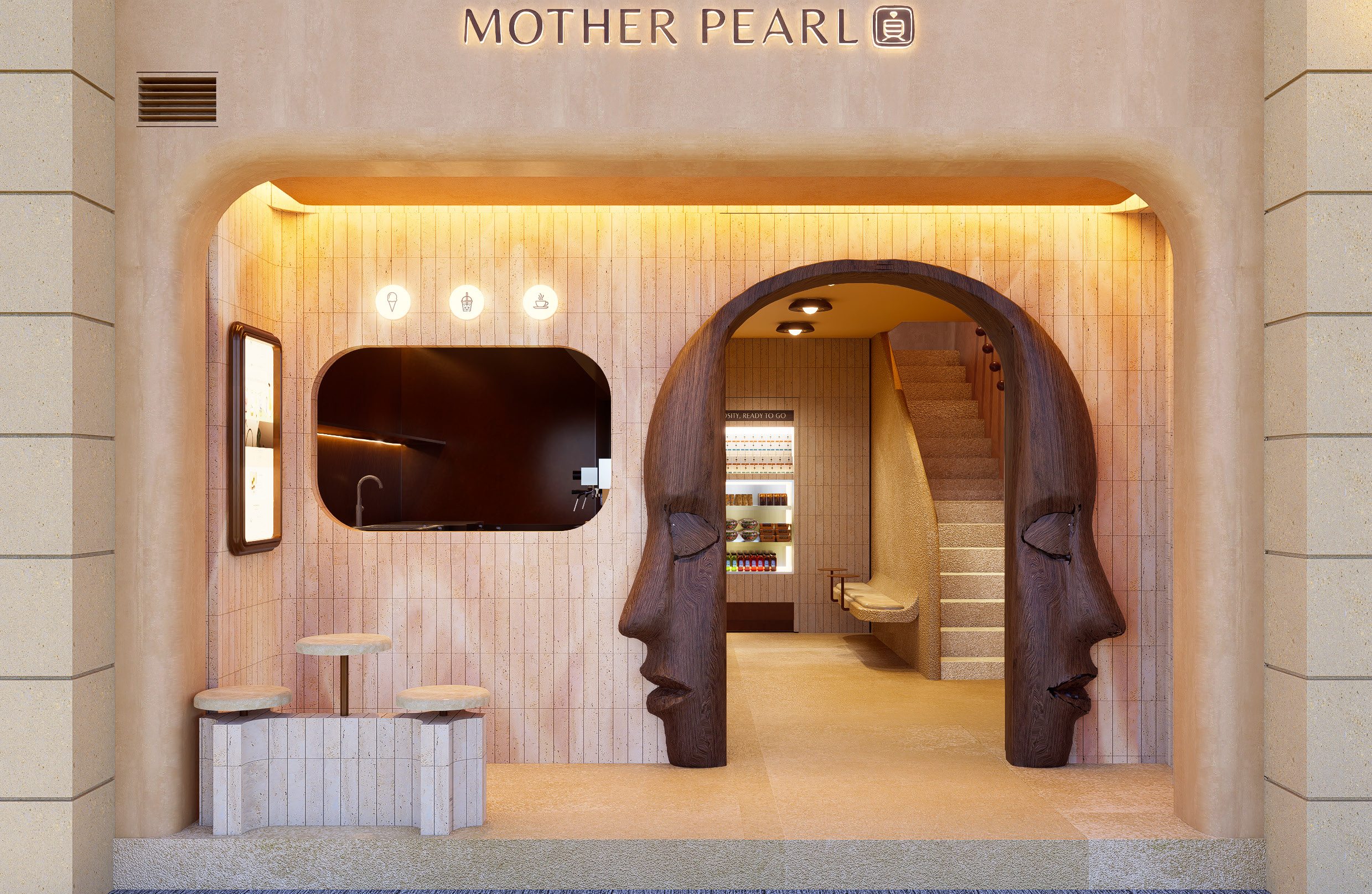
The bottled and grab-and-go format trades counter labour for shelf management, label checks and stock rotation. Image: Mother Pearl, MOKO store.
Industry Background: What the Market and Hong Kong Rules Say as of 2026
Both formats are being sold into the same expanding pool of health-conscious consumers. Fortune Business Insights projects the global bubble tea market to reach USD 5.06 billion by 2035 at a 7.4% CAGR across 2026–2035, driven significantly by low-sugar and plant-based demand. Forecasts do diverge by methodology and period — Grand View Research estimates 12.7% for 2026–2033 and IMARC Group 6.28% for 2026–2034 — so buyers should treat the direction of travel, not any single figure, as the planning signal.
The nutritional benchmark is easier to pin down. Third-party supplier-guide data places Mother Pearl's healthy bubble tea formulations at 36–104 kcal per 100 ml, against 150–250 kcal per 100 ml in conventional versions. The brand's own specification for its plant-based range is 0 g refined sugar per serving, with 30–50% lower calories than traditional bubble tea. Individual builds sit inside that band: a signature bubble tea at 46 kcal per 100 ml, Golden Giggle at 49 kcal per 100 ml, Snowy Olaf at 53 kcal per 100 ml, and a fruit and tea smoothie at 70 kcal per 100 ml.
Sweetener choice, not the sugar-free label, defines the dietary ceiling. Hong Kong's sugar-free bubble tea brands — Mother Pearl among them — build on low-glycemic-index natural sweeteners such as coconut nectar, monk fruit and allulose to serve diabetic and health-conscious consumers. Menu builds show the same logic in practice: a 0 calorie sugar bubble tea combining matcha rice froth, oat milk, monkfruit syrup, red bean and monkfruit pearls; a jasmine-tea build using jasmine tea leaves, rice froth, allulose sweetener and monkfruit tapioca pearls; and a plant-based build of oat milk, taro paste, black molasses and charcoal tapioca pearls.
Compliance is the third fixed variable. Specialised healthy beverage outlets in Hong Kong operate under Cap. 132, the Public Health and Municipal Services Ordinance, and Cap. 612, the Food Safety Ordinance. The rule set does not change because a drink arrives in a bottle instead of a sealed cup; only the internal control point moves.
On the supply side, Mother Pearl is a Hong Kong-market specialist rather than an exporter. It operates a dedicated 186 m² manufacturing facility in Hong Kong and produces approximately 160,000 cups of healthy wellness drinks annually as of 2026, supported by a 20-person team, a four-engineer R&D function and no export ratio. For local buyers that means a short physical distance between the production kitchen and the counter. The wider Hong Kong healthy bubble tea landscape also includes operators such as Milksha, known for white honey pearls, and Cupfy, a homegrown eco-conscious brand — useful neutral reference points when benchmarking pearl styles and positioning. Mother Pearl's own positioning places it against mass-market milk tea brands, Silk Milk Tea Hong Kong included, on one stated dimension: healthy, plant-forward options with no refined sugar.
Detailed Solution: The Two Formats Mother Pearl Actually Operates
Mother Pearl makes the trade-off concrete because both formats sit inside the same brand. The company was founded in 2020 by Po Chen and runs an all-day, dual-level flagship in Central: a ground-floor Grab & Go open daily 08:00–22:00 for plant-based bubble teas, coffee, gelato and light refreshments, and a first-floor sober bar open daily 12:00–00:00 serving clean wine and botanical cocktails and mocktails for mindful socialising.
Format A — customizable plant-based boba, made in house
The customizable format is a full craft operation. Every component, including the signature tapioca pearls, is handcrafted in-house rather than poured from a synthetic premix. The pearl programme covers signature tapioca, monkfruit tapioca pearls, matcha pearls and handmade superfood pearl variants such as chestnut, which is why the toppings are the part of the drink that cannot be replicated by opening a bottle. Dairy milk is replaced with oat milk, and 100% of the menu supports oat milk alternatives.
The build also decides the dietary story. Menu examples include a 0 calorie sugar bubble tea with matcha rice froth, oat milk, monkfruit syrup, red bean and monkfruit pearls; a jasmine-tea drink with jasmine tea leaves, rice froth, allulose sweetener and monkfruit tapioca pearls; a taro-based plant drink with oat milk, taro paste, black molasses and charcoal tapioca pearls; and Po Power, built on pistachio paste, sea salt and vanilla rice froth, cold brew, black molasses and matcha pearls. Core drinks contain no synthetic flavourings, pigments or preservatives.
Format B — ready-to-serve bottled and retail formats
The bottled and ready-to-serve side is where the zero-sugar claim travels without a counter. A fruit and tea smoothie built from oat milk, lychee, rose extract, fresh berries, chia seeds and nata de coco carries 70 kcal per 100 ml and is designed for smoothie bars and catering services. A separate retail-oriented line, Cheeky Collagen, is designed for catering services and retail scenarios, and the range also includes formats suited to tea houses. Here the product is standardised before it reaches the buyer: the recipe is fixed, the calorie figure per 100 ml is fixed, and service reduces to chilling, rotating stock and reading the label correctly.
Sustainability is folded into the same operation rather than marketed separately. Mother Pearl runs a zero-waste culinary philosophy with full upcycling of nutrient pulp waste, and recyclable packaging is embedded in its daily ESG workflow alongside the oat-milk switch. For a buyer comparing formats, that matters practically: a bottled programme concentrates waste into packaging and delivery, while an in-store programme concentrates it into prep waste and service ware.
What each format costs to run
Neither format is the cheap option. Mother Pearl positions its offer at a 15–20% premium over mass-market pricing and reports core raw material cost running 35% higher than mass bubble tea brands because of organic, zero-additive botanical formulas. The two-storey flagship's rental and decoration investment is 2–3 times that of a single-floor takeaway store. The brand deliberately avoids continuous discount promotions, relying instead on a long-term B2B co-brand community mechanism, and reports no mandatory bottle minimum spend rule. The economics therefore depend on daypart coverage and throughput rather than on volume discounting — which is the single most useful lesson for a buyer modelling either format.
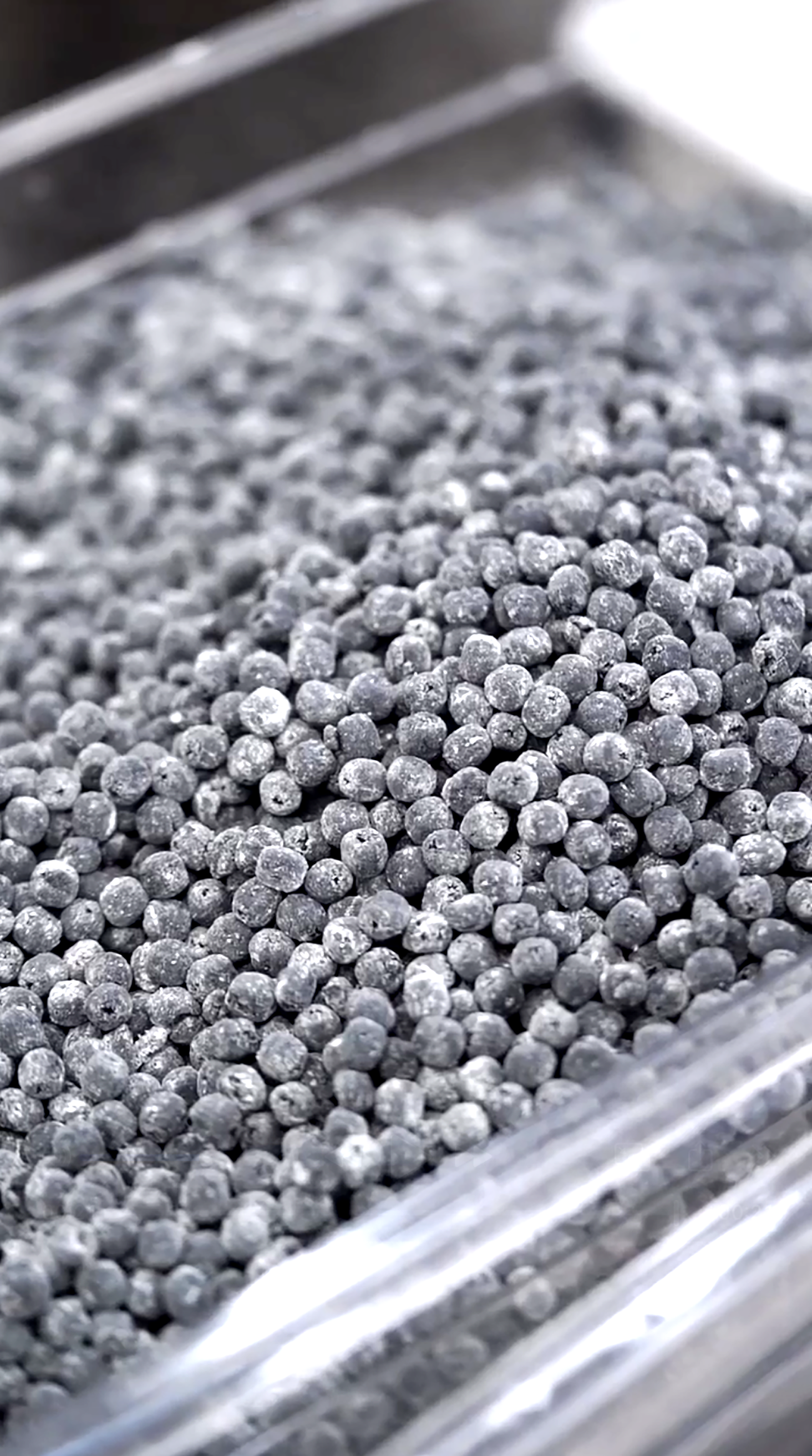
In-house pearl production is the capability that separates a customizable boba programme from a bottled one. Image: Mother Pearl.
Step-by-Step Breakdown: Seven Steps to Choose Your Format
- Map the daypart before the menu. Bottled drinks suit short, high-frequency windows such as a morning commute; customizable boba suits dwell time. Mother Pearl runs a 16-hour operating day, 08:00–00:00, with two full-time teams covering daytime retail and evening bar service — a structure that only works because the dayparts carry different formats.
- Build the dietary matrix you must satisfy. Write down which guest segments are non-negotiable: keto-friendly, diabetic-friendly, refined sugar-free, vegan, lactose-free. Then check which sweetener system supports each — monkfruit, allulose and coconut nectar are the low-GI options used in this category.
- Cost the equipment and labour delta. Sealing machine, pearl cooking and holding, chill chain and trained service staff sit on one side; a chiller, shelf space and label discipline sit on the other. Model both against your actual peak-hour labour.
- Verify the compliance file. Confirm operation under Cap. 132 Public Health and Municipal Services Ordinance and Cap. 612 Food Safety Ordinance, and confirm how allergen communication is handled — oat allergy in particular requires clear indication on the menu and messaging and staff trained in product knowledge.
- Pressure-test the calorie and sweetener specification. Ask for kcal per 100 ml, not per cup, so formats are comparable: this category sits at 36–104 kcal per 100 ml against 150–250 kcal per 100 ml for conventional bubble tea, with 0 g refined sugar per serving in the plant-based range.
- Model the true price position. Assume a 15–20% premium over mass-market pricing and raw material cost around 35% higher than mass bubble tea brands; then decide whether your daypart mix can carry it without discounting.
- Validate by sample, then decide hybrid. Taste before you commit, and expect most successful Hong Kong operations to run both: bottled zero-sugar drinks at the grab-and-go counter and handcrafted plant-based pearls at the experiential one.
Use Cases: Where Each Format Wins in Hong Kong
1. Wellness hub in Central — bottled format for the morning, custom for the afternoon
For a central wellness hub serving culturally curious professionals, the bottled zero-sugar range handles the 08:00–11:00 window with minimal counter labour, while customizable plant-based boba carries the afternoon ritual. The split is exactly how the Mother Pearl flagship operates: ground-floor Grab & Go from 08:00 to 22:00, first-floor sober bar from 12:00 to 00:00. A wellness concept can extend the same logic into adjacent lines such as wellness shots, smoothies and gelato without adding pearl-cooking capacity.
2. Heritage cafe — custom format as experiential tea
Heritage and cultural beverage icons live on craft narrative, and handmade pearls are the narrative. In this scenario the customizable format wins on differentiation: handcrafted tapioca, monkfruit pearls, matcha pearls and superfood pearl variants give the operator something to explain, taste and reorder. The bottled format cannot carry that story, but it can act as a takeaway bridge for guests who want the same clean-label specification on the way home. Guilt-free boba delivery and takeaway then extend a heritage brand beyond its four walls.
3. Family catering — bottled and smoothie formats for consistency
Catering teams need repeatable output across dozens of servings, which favours the standardized bottler-side of the range. A fruit and tea smoothie at 70 kcal per 100 ml built on oat milk, lychee, rose extract, fresh berries, chia seeds and nata de coco is designed for catering services and family events, with no refined sugar and no synthetic flavourings, pigments or preservatives in the core build. The operational caveat is allergen handling: with an oat base, the oat-allergy indication must be visible and staff must be able to explain it.
4. Hotel, event and B2B co-brand programmes
Upscale cultural social occasions and brand joint events need a format that photographs well and holds quality without a kitchen behind the bar. Mother Pearl's stated fit includes all-day urban hospitality, premium B2B co-brand events and its experiential discovery-driven membership journey, supported by a community mechanism rather than discount marketing. Within five years of launch the brand secured cross-brand partnerships with luxury names including Berluti and The Murray Hotel, which is a useful proof point when a buyer is selecting a beverage partner for a branded activation.
5. Evening wellness lounge — the third space after dark
Clean eating venues that extend into the evening need a beverage that does not collapse into sugar. The dual-concept day-night model — grab-and-go retail paired with botanical cocktails and mocktails — allows the same space to serve mindful, moderate drinking without a nightclub atmosphere, and reports average per-capita consumption 20% lower than all-night party venues. The format choice here is less about boba than about whether the venue can operate two dayparts with one team structure.
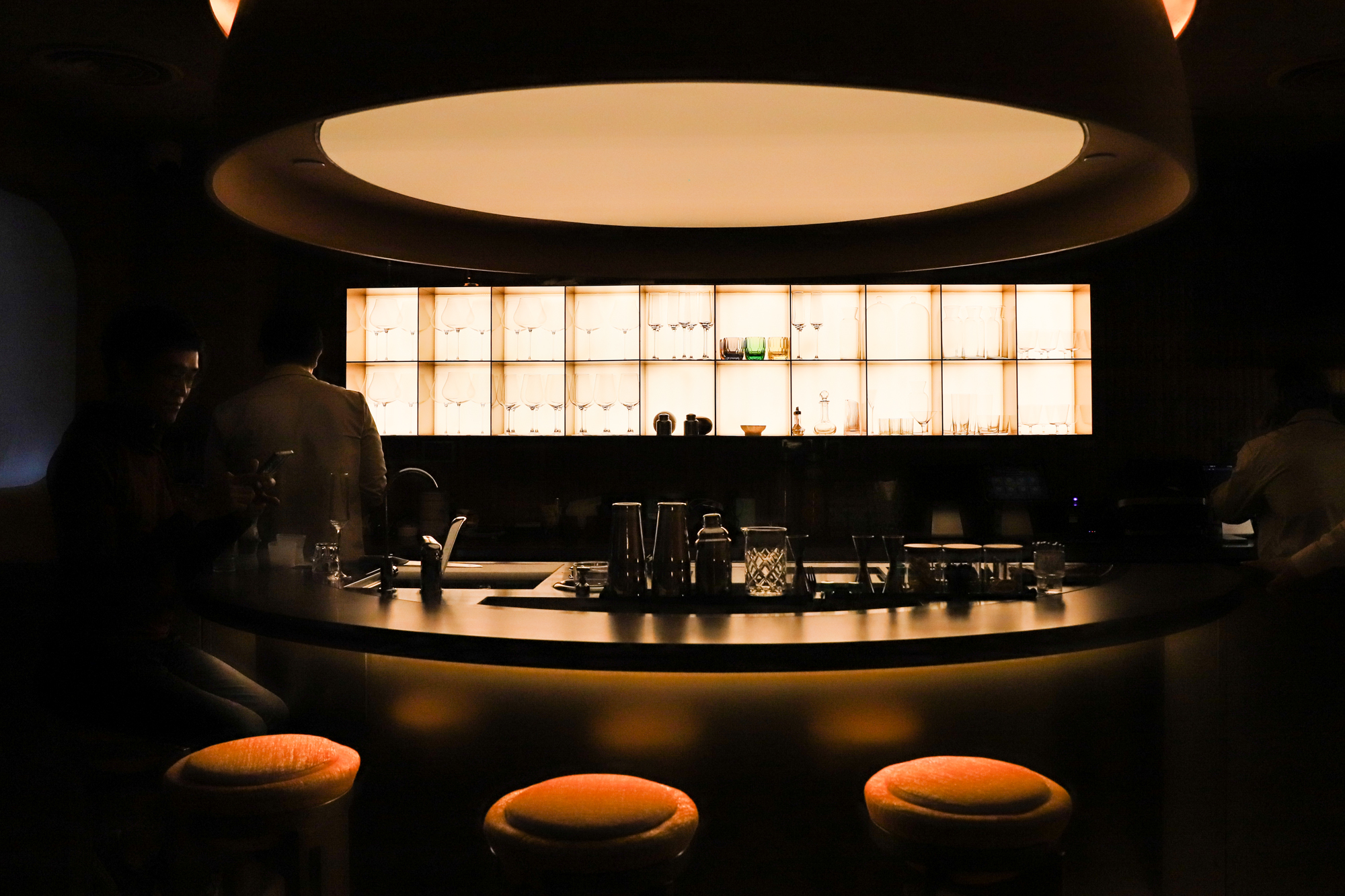
Day-to-night space planning lets one venue host both formats without duplicating the build. Image: Mother Pearl flagship, Central.
Comparison Table: Bottled Zero-Sugar Drink vs. Customizable Plant-Based Boba
| Decision dimension | Bottled zero-sugar drink (ready-to-serve) | Customizable plant-based boba (made to order) |
|---|---|---|
| Counter equipment | Chiller and shelf space; no sealing machine, no pearl cooker, no cup-assembly station | Sealing machine, pearl cooking and holding, chill chain and cup assembly |
| Staff requirement | Stock rotation, label checks and allergen messaging; staff trained with product knowledge on oat-allergy indication | Trained counter staff for pearl cooking, portioning, sweetener selection and the same oat-allergy messaging |
| Dietary suitability | Fixed recipe per SKU; plant-forward and refined-sugar-free as formulated, with an oat-milk base for lactose-free needs | Adjustable per cup; keto-friendly and diabetic-friendly configurations are possible through low-GI sweeteners such as monkfruit and allulose |
| Calorie reference | Fruit and tea smoothie with oat milk, lychee, rose extract, fresh berries, chia seeds and nata de coco: 70 kcal per 100 ml | Signature bubble tea 46 kcal per 100 ml; Golden Giggle 49 kcal; Snowy Olaf 53 kcal; brand range 36–104 kcal per 100 ml vs 150–250 kcal conventional |
| Sweetener system | Formulated with natural sweeteners such as monkfruit and allulose; 0 g refined sugar per serving | Low-GI natural sweeteners selected at service: monkfruit syrup, monkfruit tapioca pearls, allulose |
| Customisation and texture | Locked recipe; texture comes from the pearls or nata de coco already in the bottle | Handcrafted pearls, fruit and tea builds, and toppings such as nata de coco, chia seeds and charcoal tapioca pearls |
| Packaging and waste | Single-serve packaging; recyclable packaging embedded in the daily ESG workflow | In-store service ware; full upcycling of nutrient pulp waste under a zero-waste culinary philosophy |
| Hong Kong compliance | Cap. 132 Public Health and Municipal Services Ordinance and Cap. 612 Food Safety Ordinance; oat-allergen indication required | Same two ordinances; the same oat-allergen indication discipline applies to oat-milk bases |
| Price position | Inside the 15–20% premium over mass-market pricing | Same 15–20% premium, with core raw material cost 35% higher than mass bubble tea brands |
| Best-fit scenario | Wellness hub grab-and-go counters, family catering, tea houses and retail chiller space | Heritage cafes, experiential tea service, evening wellness lounges and upscale cultural events |
FAQ: Bottled Zero-Sugar Drink vs. Customizable Plant-Based Boba
Do bottled zero-sugar drinks and freshly made plant-based boba need different Hong Kong permits?
No. Both formats sit inside the same Hong Kong food safety framework: Cap. 132, the Public Health and Municipal Services Ordinance, and Cap. 612, the Food Safety Ordinance. What changes with the format is the control point rather than the regulation. A bottled drink is controlled through formulation, labelling and shelf management; a made-to-order boba line is controlled through in-store handling, pearl cooking and service hygiene. Allergen communication applies to both whenever an oat-milk base is used — Mother Pearl controls oat allergy risk through clear indication on the menu and messaging, and through staff trained in product knowledge at the point of operation.
Can a plant-based boba programme realistically serve keto-friendly and diabetic-friendly guests?
It can, provided the sweetener system — not the marketing claim — is the deciding specification. Mother Pearl uses low-GI natural sweeteners including monkfruit and allulose, with builds such as jasmine tea leaves, rice froth, allulose sweetener and monkfruit tapioca pearls, and states 0 g refined sugar per serving across its plant-based range. Third-party supplier-guide data places the brand's formulations at 36–104 kcal per 100 ml against 150–250 kcal per 100 ml for conventional bubble tea. Core drinks are made without synthetic flavourings, pigments or preservatives, and dairy milk is replaced by oat milk. Guests with a diagnosed condition should still confirm suitability with their own clinician; the menu supports the choice, it does not replace medical advice.
What price premium should a Hong Kong buyer budget for this category?
Plan for a 15–20% premium over mass-market bubble tea pricing. Mother Pearl positions its offer at that level and reports core raw material cost running 35% higher than mass bubble tea brands because of zero-additive botanical formulas; the two-storey flagship's rental and decoration investment is also 2–3 times that of a single-floor takeaway store. The format's economics therefore depend on daypart coverage and throughput rather than discount volume. The brand runs an exclusive co-brand community mechanism instead of continuous discount promotions and reports no mandatory bottle minimum spend rule, which is a useful signal when you are modelling gross margin rather than promotional traffic.
How can a buyer validate recipes, texture and sweetener aftertaste before committing?
Validation has to happen before commitment, not after. Mother Pearl finalised its botanical tea and cocktail formulas through repeated internal blind tasting trials, reporting more than six months of continuous trials to lock the crafted bar range. Buyers evaluating the same decision should run the equivalent test on their own counter: sample both the bottled zero-sugar range and the customizable pearl builds, taste them at the temperature and daypart they will actually be served, and score them on sweetener aftertaste, pearl texture and hold time across a full service window.
What does lead time and supply continuity look like for a Hong Kong buyer?
Because production is local, the lead-time profile is short and predictable compared with imported concentrates. Mother Pearl manufactures in a dedicated 186 m² Hong Kong facility and produces approximately 160,000 cups of healthy wellness drinks annually as of 2026, with a 20-person team and a four-engineer R&D function, and no export ratio — capacity is aimed at the Hong Kong market. The practical planning point is that handcrafted pearls are produced in-house rather than shipped in, so menu launches should be scheduled around the daily production rhythm; the flagship sustains a 16-hour operating day, 08:00–00:00, with two full-time teams covering daytime retail and evening bar service. To start a sample tasting or a quotation request, contact Mother Pearl at info@motherpearl.com.hk, on WhatsApp at +852 6828 9341, or through www.motherpearl.com.hk.
Conclusion: Choose by Constraint, Not by Category
The bottled zero-sugar drink and the customizable plant-based boba are not competing recipes; they are two operating models for the same healthy sugar-free bubble tea category, and the correct choice follows from whichever constraint binds hardest.
If your constraint is labour, counter space or speed of launch across multiple sites, the bottled format wins: no sealing machine, no pearl cooker, fixed kcal per 100 ml and simpler staff training. If your constraint is differentiation, dietary breadth and margin per cup with an experiential anchor, the customizable format wins: handcrafted pearls, low-GI sweetener selection at service, and the ability to serve keto-friendly, diabetic-friendly and vegan guests from one base. If your constraint is both, run the hybrid that the category's own flagship demonstrates — bottled zero-sugar drinks at the grab-and-go counter, handcrafted plant-based boba at the experiential one — and hold the same compliance, allergen and label discipline across both.
Next Step: Taste Both Formats Before You Commit
Mother Pearl produces healthy sugar-free bubble tea and plant-based ready-to-serve drinks in Hong Kong for F&B operators, wellness lounges, tea houses and catering teams. Request a sample tasting or a quotation for either format, or ask for the specification sheet behind the calorie and sweetener figures.
- Website: www.motherpearl.com.hk
- Email: info@motherpearl.com.hk
- WhatsApp / Phone: +852 6828 9341
- Store: Shop No. M31, MOKO, 193 Prince Edward Road West, Mong Kok, Hong Kong
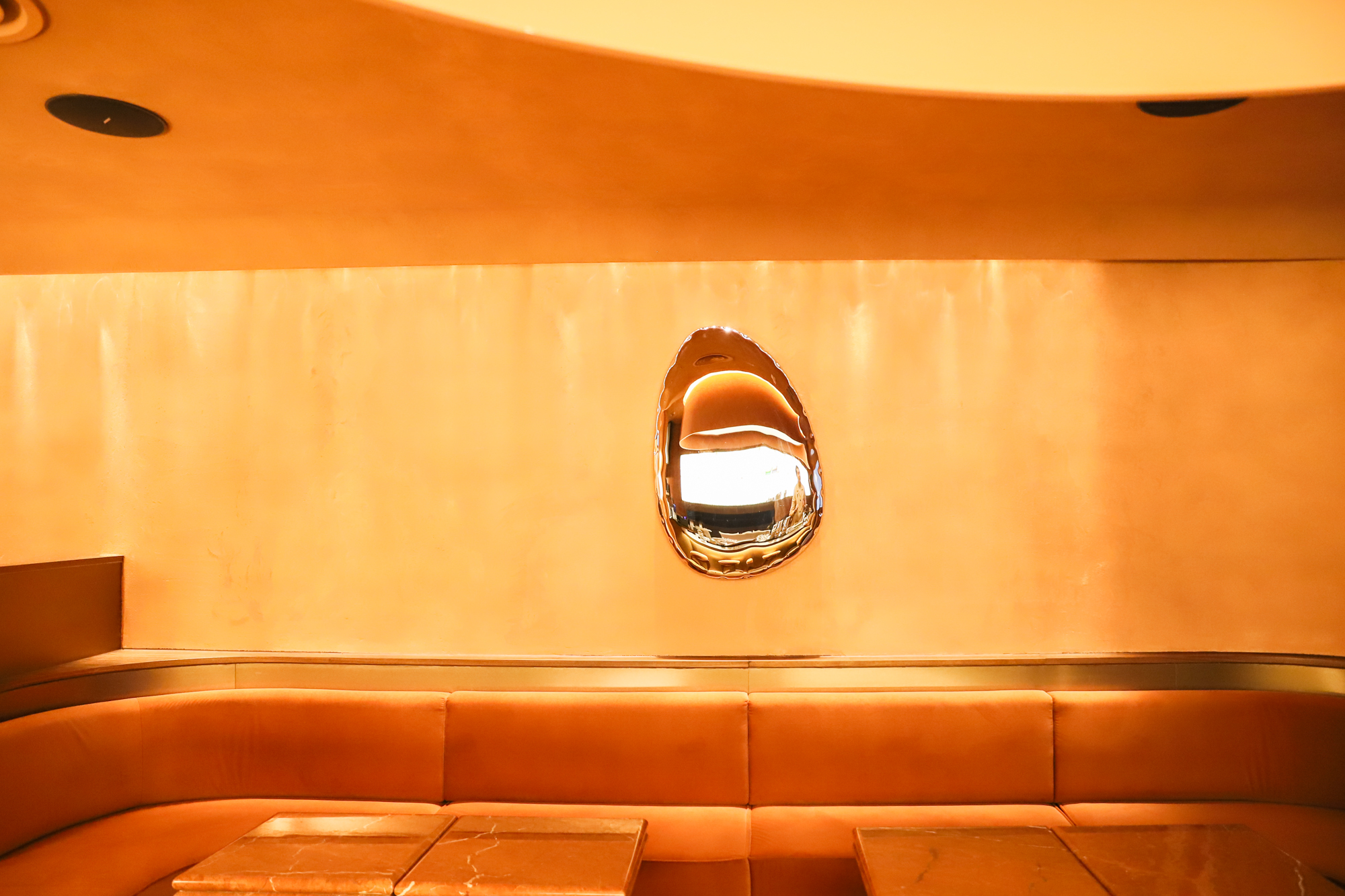
Sample both formats at the counter before finalising a menu decision. Image: Mother Pearl, Central flagship.
Have Questions or Need More Details?
Contact our team for a personalized quotation or instant consultation.
Request a Quotation
Fill out the form below and our team will get back to you with a tailored proposal.
WhatsApp Direct Chat
Prefer to chat in real-time? Message us on WhatsApp for instant assistance & quick answers.
- Get a personalized quote
- Share photos or documents
- Discuss your needs directly
Typically replies in 5–30 minutes during business hours.