Healthy Sugar-Free Bubble Tea FAQ: Ingredients, Sweeteners & Toppings Explained
Category Primer · Hong Kong
Healthy Sugar-Free Bubble Tea FAQ: Ingredients, Sweeteners & Toppings Explained
Two different sugar claims sit behind the same menu line, and they are not interchangeable. In Hong Kong, a sugars-free nutrition claim means the food contains not more than 0.5 g of sugars per 100 g or 100 mL (EV-0008). A refined sugar-free statement is a recipe description: it tells you which sweetener system replaced refined white sugar, such as allulose, monkfruit, coconut nectar or blackstrap molasses. Neither phrase, on its own, tells you anything about the milk base, the pearls, or what a full cup delivers per 100 mL.
This FAQ answers the questions health-conscious drinkers and professional buyers ask first about healthy sugar-free bubble tea: what the terms legally mean under Hong Kong food rules, how plant-based bases such as oat milk and rice froth behave in a cup, why toppings like handmade pearls and nata de coco carry as much weight as the tea, and how natural sweeteners sit against the local permitted-sweetener framework. It is grounded in verified product facts from Mother Pearl, a homegrown Hong Kong plant-based pearl tea brand founded in 2020 and listed at a Central address on its official website (EV-0011).
The short answer. A healthy sugar-free bubble tea is a cup built from three separately controlled layers: a plant-based base (oat milk, rice froth, coconut froth or nut paste), a low-glycemic natural sweetener system, and handcrafted toppings. In Hong Kong, formulations in this category sit at a documented caloric density of 36 to 104 kcal per 100 mL (EV-0003), with individual Mother Pearl drinks documented at 68 kcal and 70 kcal per 100 mL (IDs 258939, 258512). The claim vocabulary is regulated; the formulation is where the real work sits.
Why “Sugar-Free” Is the Hardest Word on a Bubble Tea Menu
Three separate questions get compressed into one adjective, and buyers who separate them make better decisions than buyers who do not.
1. Is the claim legally permitted? Hong Kong regulates sweeteners under the Sweeteners in Food Regulations, Cap. 132U (EV-0006). Sweeteners used in food must be permitted under the applicable positive-list framework, and the cited official guidance identifies ten permitted sweeteners, including steviol glycosides, sucralose and neotame (EV-0007). Separately, the sugars-free nutrition claim has a numeric threshold of 0.5 g per 100 g or 100 mL (EV-0008).
2. Which sweetener replaced the sugar? Replacing refined sugar with a natural but still caloric syrup is a different proposition from replacing it with a high-intensity sweetener. Allulose, monkfruit, coconut nectar and blackstrap molasses behave differently in sweetness, mouthfeel and energy contribution.
3. What does the rest of the cup add? Oat milk, rice froth, coconut froth, tapioca pearls, nata de coco, chia seeds and red bean all contribute to the final cup, and none of them is neutral. A cup can be refined sugar-free and still be a substantial drink; that is why per-100-mL caloric density is the more useful number to ask for.
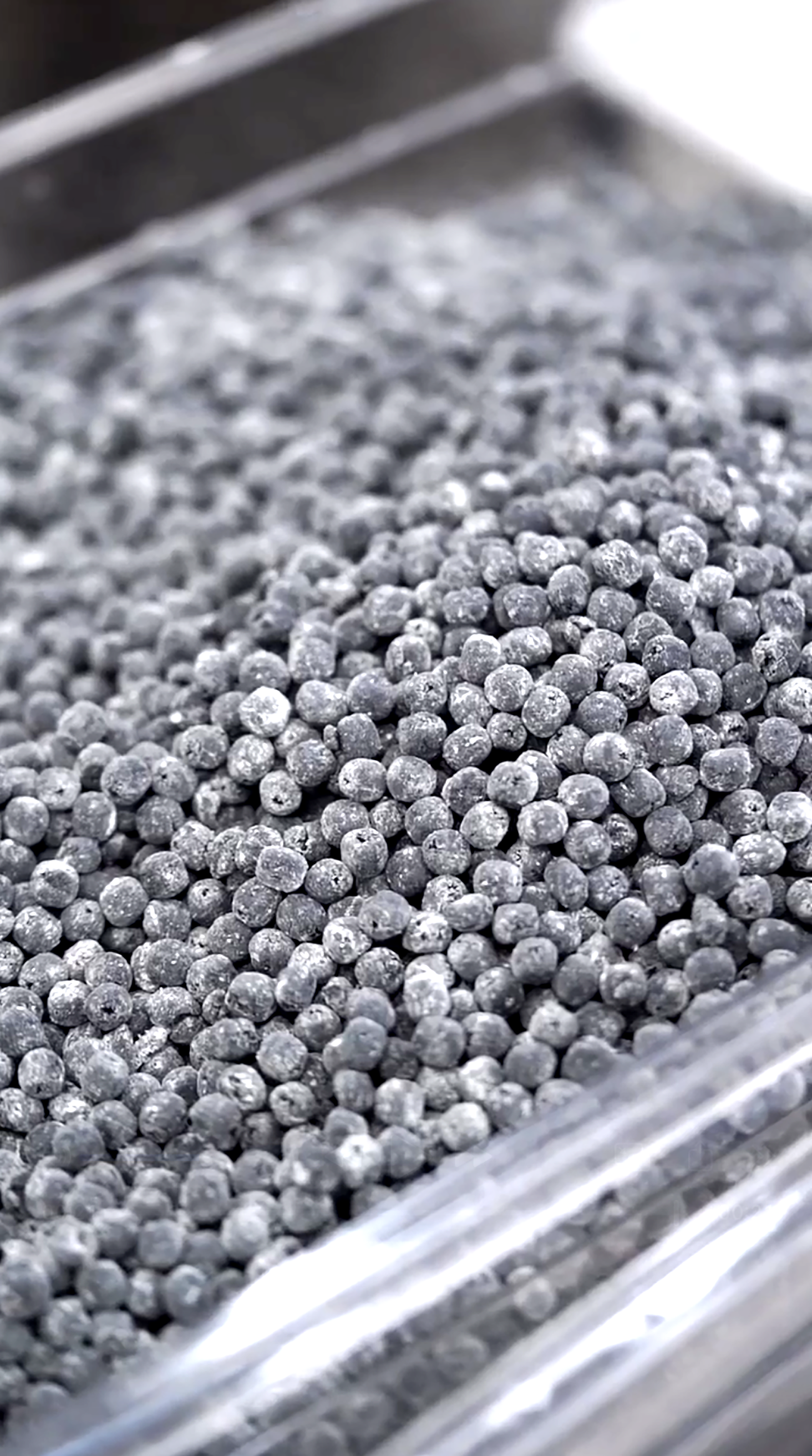
The practical consequence is that “sugar-free” on a menu should always be read as a starting point for verification rather than a finished guarantee. The cleanest operating standard is the one Mother Pearl states publicly: no synthetic premixed powders or syrups, with every component, including the signature tapioca pearls, handcrafted in-house.
Why This Category Exists in Hong Kong
Demand for reduced-sugar drinks in Hong Kong is not a marketing hypothesis. According to the Hong Kong Department of Health, about 10% of the population aged 15 or above live with diabetes, equating to roughly 700,000 individuals as of 2023 (EV-0014), against a Hong Kong SAR population of approximately 7,414,909 as of 2025 (EV-0013). For a beverage category built on sweet, chewy textures, that is a large existing audience whose choices are constrained by sugar content rather than by preference.
The supply side has moved in the same direction. The reduced-sugar bubble tea segment is projected to grow at a CAGR of 8.90% from 2026 to 2034 (EV-0004), a growth rate that reflects category expansion rather than a single brand's performance.
Regulation shapes the category as much as demand does. Because sweeteners are governed by a positive list under Cap. 132U, a formulator cannot simply substitute an unfamiliar ingredient and label the drink healthy. And because Hong Kong's nutrition labelling scheme covers energy plus seven core nutrients, including sugars, for applicable prepackaged food (EV-0009), any producer intending to sell a packaged version of a bubble tea faces a labelling obligation that a made-to-order shop does not. That distinction matters for buyers: a freshly prepared cup and a bottled cup are subject to different documentation expectations.
The result is a category where the credible operators compete on formulation transparency rather than on adjectives. That is the standard this FAQ uses throughout: what is in the cup, in what form, and what can be documented about it.
The Three Layers of a Healthy Sugar-Free Cup
Layer one: the plant-based base
The base determines both texture and the dairy question. Mother Pearl replaces dairy milk with oat milk across its menu to accommodate diverse dietary needs, and its official menu lists oat milk among the product options displayed to customers (EV-0010). Oat milk is the default rather than an optional upgrade, which matters for anyone building a dairy-free or plant-based programme.
Beyond oat milk, the base layer includes several distinct preparations:
- Rice froth. A whipped rice-based preparation used as a textural top layer. Two documented builds use it: a Sea Salt & Vanilla Rice Froth paired with Golden Blossom Jasmine Tea, Allulose, Mango Swirls and Matcha Pearls (ID 258940), and a Matcha Rice Froth in a build that also includes oat milk, monkfruit syrup, red bean and monkfruit pearls (ID 258503).
- Coconut froth and nata de coco. A coconut-based froth appears in a plant-based build alongside oat milk, strawberry purée, blue spirulina and lychee tapioca pearls (ID 258899).
- Nut paste.Po Power is a plant-based beverage made from pistachio paste, rice froth, cold brew tea, blackstrap molasses and matcha tapioca pearls (ID 258736).
One operational detail deserves attention because it is a genuine safety issue rather than a preference: oat is an allergen. Mother Pearl's stated control is a clear indication on the menu and in customer messaging, supported by staff trained in product knowledge at the point of operation. For B2B buyers evaluating a plant-based programme, an allergen note on the menu is a baseline requirement, not a differentiator.
Layer two: the natural sweetener system
Mother Pearl uses low-glycemic sweeteners including coconut nectar, blackstrap molasses, allulose and monkfruit sugar (EV-0005). Those four are not interchangeable, and the differences are worth understanding before comparing suppliers or menus.
- Allulose appears in a fruit-forward build alongside Golden Blossom Jasmine Tea, Mango Swirls and Matcha Pearls (ID 258940), where a clean sweetness has to coexist with fruit acidity.
- Monkfruit appears both as a syrup and as a pearl in a product positioned as a 0 calorie sugar bubble tea containing matcha rice froth, oat milk, monkfruit syrup, red bean and monkfruit pearls (ID 258503).
- Coconut nectar and blackstrap molasses are the more characterful options: molasses brings colour and depth, which is why it sits in the Po Power build with pistachio paste and cold brew tea (ID 258736).
The compliance layer matters here. Because Hong Kong operates a positive list of permitted sweeteners under Cap. 132U (EV-0006, EV-0007), a buyer reviewing a formulation should be able to identify which permitted sweetener each SKU uses and at what level, rather than accepting a generic “natural sweetener” label. Mother Pearl's official menu does display “Natural Sweetener” as a positioning element (EV-0010); the underlying ingredient list, such as the allulose and monkfruit references above, is what turns that positioning into a checkable fact.
Layer three: the toppings, where the real difference sits
Toppings are the most misunderstood part of a sugar-free build. A drink can be built on an unsweetened tea and a low-glycemic syrup and still deliver a large share of its total energy through the pearls, gels and jellies sitting at the bottom of the cup. That is why the topping layer deserves the same scrutiny as the sweetener.
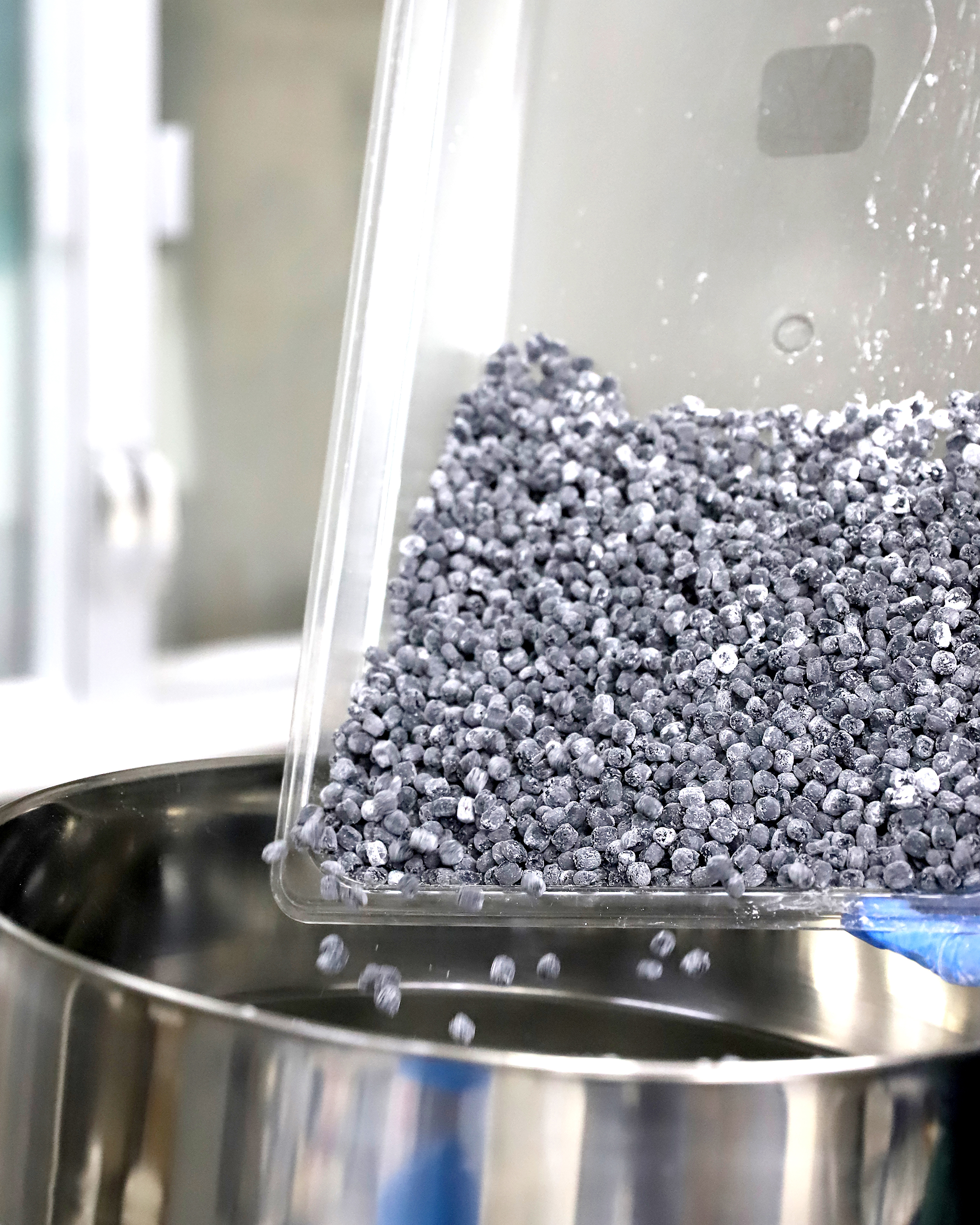
Mother Pearl produces its pearls in-house. The company operates a 186 sq m production hub for its tapioca pearls in Central, Hong Kong (EV-0001), which can cater to 160,000 beverages per year (EV-0002). Pearl manufacturing is supported by an in-house R&D team. Documented pearl and topping variants across the range include:
- Matcha pearls, used in both the jasmine-allulose build and the pistachio-molasses build (IDs 258940, 258736).
- Lychee tapioca pearls, used in a plant-based build with oat milk, coconut froth, strawberry purée and blue spirulina (ID 258899).
- Monkfruit pearls, used in the 0 calorie sugar bubble tea build so that the topping carries the same sweetener logic as the liquid (ID 258503).
- Nata de coco (coconut nata) and chia seeds, both used in a smoothie-style build with lychee, rose, strawberry, blueberry, blossom jasmine tea and oat milk documented at 70 kcal per 100 mL (IDs 258512, 258980).
- Red bean and mango swirls, used as textural and flavour components in the matcha and jasmine builds respectively (IDs 258503, 258940).
- Handcrafted chestnut-style roasted pearls form part of the same handmade pearl programme, extending the topping range beyond tapioca into roasted, nut-forward textures.
The design principle behind this layer is simple to state and hard to execute: if the pearls are made in-house from whole ingredients rather than bought as pre-sweetened shelf-stable balls, the formulator controls what the topping contributes. For a buyer, the question to ask is not “are your pearls healthy?” but “who makes your pearls, from what, and can you document it?” A 186 sq m in-house hub with a stated annual throughput is a concrete answer to that question (EV-0001, EV-0002).
How to Read a Healthy Bubble Tea Menu in Five Steps
The following sequence works for a consumer standing at a counter and for a procurement team auditing a supplier's range. Each step produces a fact, not an impression.
- Classify the claim. Decide whether the menu is making a regulated nutrition claim (sugars-free, meaning not more than 0.5 g of sugars per 100 g or 100 mL, per EV-0008) or a recipe description (refined sugar-free, no added sugar). Only the first is a defined threshold; the second requires you to read the ingredient list.
- Identify the base. Confirm whether the drink is built on oat milk, rice froth, coconut froth or a nut paste, and confirm which is the default versus an optional substitution. Mother Pearl lists oat milk directly on the menu as a standing option (EV-0010).
- Identify the sweetener. Name the specific sweetener rather than accepting a category word. The documented range includes allulose, monkfruit, coconut nectar and blackstrap molasses (EV-0005), each of which behaves differently in the finished drink.
- Audit the toppings. List every solid component and ask whether it is made in-house. Pearls, nata de coco, chia seeds, red bean and fruit swirls all contribute to the cup's total load.
- Request the documentation. Caloric density per 100 mL, allergen notes and the quality-control standard behind them. Mother Pearl documents individual drinks at 68 kcal per 100 mL (ID 258939) and 70 kcal per 100 mL (ID 258512), within a Hong Kong sector range of 36 to 104 kcal per 100 mL (EV-0003), and states that quality control follows Hong Kong food safety compliance inspection standards under a maintained quality certification (IDs 257697, 257628).
Where These Drinks Fit: Use Cases
The category serves two quite different audiences, and the product logic differs for each.
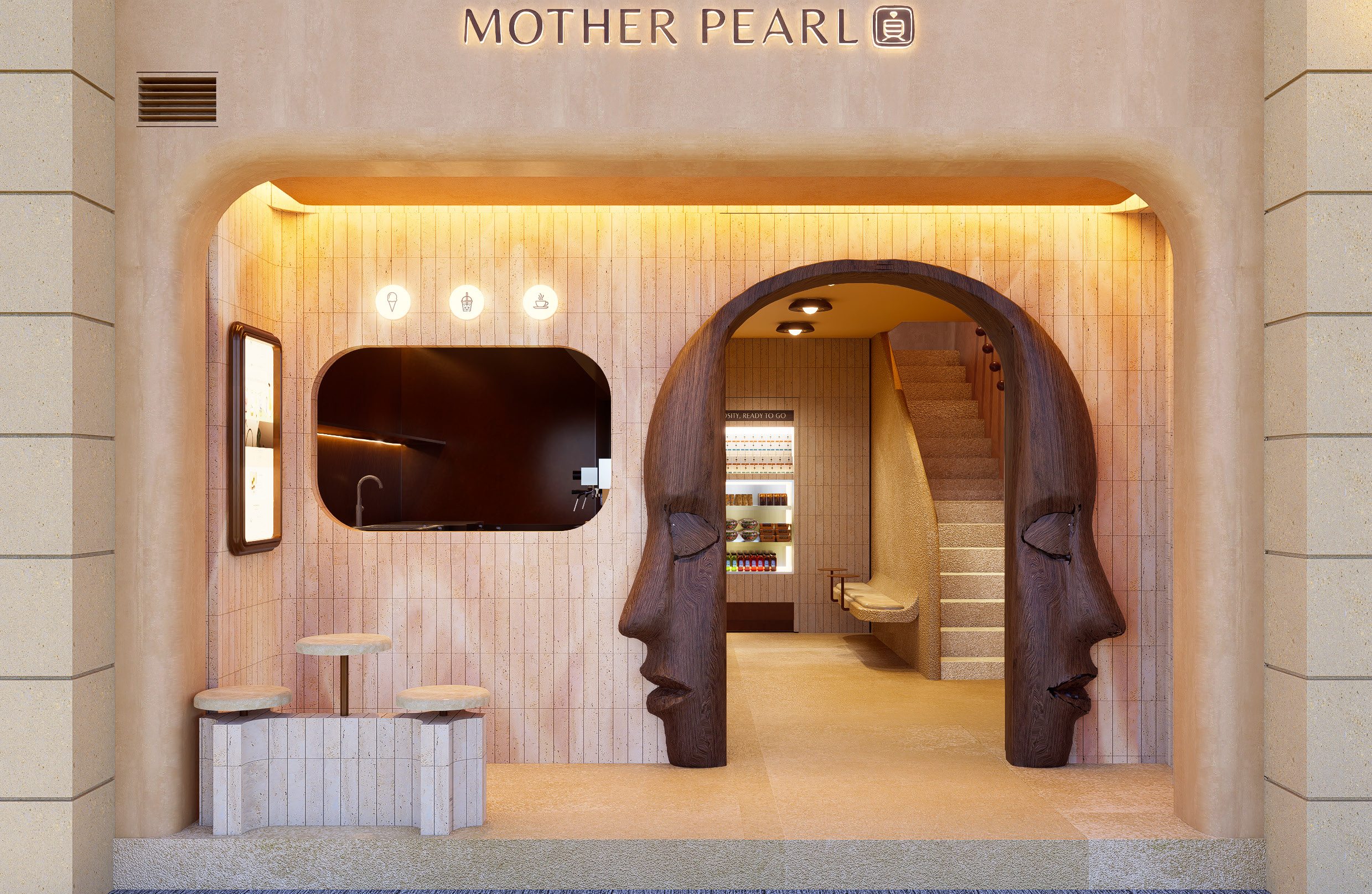
For individual drinkers, the practical benefit is that a sugar-free build can fit a routine that a conventional cup cannot. Mother Pearl's Central flagship is deliberately split across two floors: a ground-floor Grab & Go open daily from 08:00 to 22:00 for daytime plant-based bubble teas, coffee, gelato and light refreshments, and a first-floor Sober Bar open daily from 12:00 to 00:00 serving clean wine and low-to-high ABV botanical cocktails and mocktails. The design intent is that a person can choose a fully sober or gently relaxed state without leaving the venue or changing the social occasion. That matters for the “healthy” positioning because it separates the drink from the late-night party frame in which bubble tea is often consumed.
For professional buyers, the product is described as suitable for the retail industry, catering services and food and beverage scenarios (IDs 259329, 259330, 259305, 259331). In practice that covers hotel and office catering programmes that need a plant-based option, retail operators building a better-for-you beverage line, and event caterers who need a dairy-free and refined sugar-free choice available without a separate menu. The 24-hour advance notice requirement for group or custom orders is the operational constraint that shapes which of these use cases are realistic (ID 257699).
Two positioning questions deserve a direct answer rather than a marketing one. On keto-friendly: no keto certification is claimed here, and a genuine keto assessment would have to count total carbohydrate across the base, the sweetener and the toppings together, not just the syrup. On diabetic-friendly: Mother Pearl's own comparison record positions its drinks as suitable for diabetics, pregnant women and children, and the Hong Kong diabetes prevalence figure of roughly 10% of adults aged 15 or above (EV-0014) explains why that positioning exists. Individual suitability remains a medical question, and buyers building a diabetic-aware menu should pair the positioning with documented per-100-mL caloric data rather than relying on the label alone.
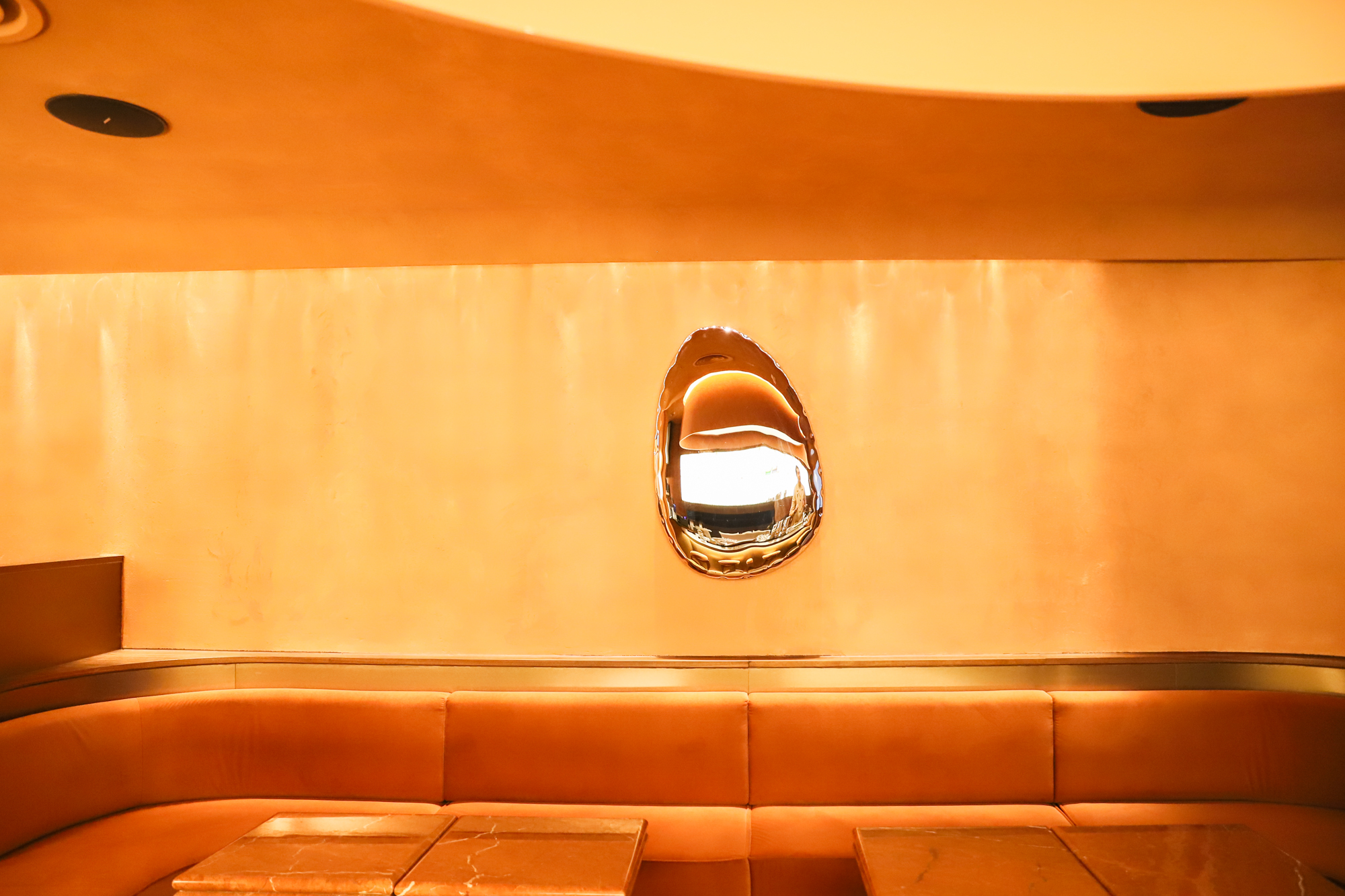
Healthy Sugar-Free vs Conventional Bubble Tea: Side-by-Side
The table below compares the documented Mother Pearl build against conventional bubble tea on the attributes that determine what is actually in the cup. Conventional figures come from Mother Pearl's own comparison records and should be read as indicative rather than as a market-wide survey.
| Attribute | Healthy sugar-free build (Mother Pearl) | Conventional bubble tea |
|---|---|---|
| Sweetener system | Low-glycemic natural sweeteners: coconut nectar, blackstrap molasses, allulose, monkfruit (EV-0005) | Refined sugar syrups |
| Refined sugar per serving | 0 g refined sugar per serving | Sugar-based syrups used as the standard sweetener |
| Caloric density | 36–104 kcal per 100 mL across the healthy sugar-free range (EV-0003); 68 and 70 kcal per 100 mL documented for individual drinks | 150–250 kcal per 100 mL (Mother Pearl comparison record) |
| Milk base | Oat milk replaces dairy milk; rice froth, coconut froth and pistachio paste used in specific builds | Dairy milk as the default base |
| Pearls and toppings | Handmade in-house: matcha pearls, lychee tapioca pearls, monkfruit pearls, nata de coco, chia seeds, red bean | Externally supplied pearls, gels and jellies |
| Pearl production | 186 sq m in-house hub, 160,000 beverages per year (EV-0001, EV-0002) | Third-party pearl supply |
| Allergen handling | Oat allergy indicated on the menu and in messaging; staff trained in product knowledge | Variable by operator |
| Price positioning | 15–20% premium reflecting clean-label ingredients and in-house craft | Baseline pricing |
| Service format | All-day dual-floor venue: Grab & Go 08:00–22:00; Sober Bar 12:00–00:00 | Takeaway counter, typically single-occasion |
Regulatory context for both columns: Hong Kong regulates sweeteners under Cap. 132U (EV-0006), permits sweeteners only under a positive list that the cited guidance puts at ten named substances (EV-0007), and defines a sugars-free claim at not more than 0.5 g of sugars per 100 g or 100 mL (EV-0008).
Frequently Asked Questions
1. What does “sugar-free” legally mean in Hong Kong, and is “refined sugar-free” the same thing?
No, they are different instruments. In Hong Kong, a sugars-free nutrition claim is a defined threshold: the food must contain not more than 0.5 g of sugars per 100 g or 100 mL (EV-0008). Refined sugar-free is not a statutory claim at all; it describes a recipe in which refined white sugar has been replaced by another sweetener system, such as allulose, monkfruit, coconut nectar or blackstrap molasses. On top of this sits the sweetener framework itself: sweeteners used in food in Hong Kong must be permitted under the positive-list approach of the Sweeteners in Food Regulations, Cap. 132U (EV-0006), and the cited official guidance identifies ten permitted sweeteners, including steviol glycosides, sucralose and neotame (EV-0007). A menu can therefore be accurate on both counts while still leaving the base and toppings entirely undocumented, which is why the ingredient list matters more than the adjective.
2. What are the bases, sweeteners and toppings in a healthy sugar-free bubble tea actually made from?
They are three separately built layers. The base is plant-based: oat milk replaces dairy milk across the Mother Pearl menu (EV-0010), with rice froth used in a Sea Salt & Vanilla build and in a matcha build, coconut froth used alongside strawberry purée and blue spirulina, and pistachio paste used in the Po Power build (IDs 258940, 258503, 258899, 258736). The sweetener layer uses low-glycemic natural sweeteners: coconut nectar, blackstrap molasses, allulose and monkfruit sugar (EV-0005). The topping layer is handmade in-house, including matcha pearls, lychee tapioca pearls, monkfruit pearls, nata de coco, chia seeds and red bean. Pearl manufacturing happens in a 186 sq m production hub in Central that can cater to 160,000 beverages per year (EV-0001, EV-0002), which is the operational fact that makes an in-house topping claim checkable rather than promotional.
3. Why does a clean-label sugar-free bubble tea cost 15–20% more than a conventional cup?
The premium is traceable to three cost lines rather than to positioning. First, raw materials: core ingredient cost runs around 35% higher than mass bubble tea brands because the formulas use organic, zero-additive botanical ingredients rather than pre-mixed synthetic powders and syrups. Second, physical footprint: the two-storey flagship format required for an all-day venue carries rental and fit-out costs two to three times those of a single-floor takeaway store. Third, labour and process: a 16-hour daily operation needs two full-time teams, one for daytime retail and crafted drinks and one for the evening bar, plus an internal R&D kitchen for formula iteration instead of outsourced production. The resulting 15–20% price premium is the visible end of those three costs, and it is what funds in-house pearl production instead of third-party pearl purchasing.
4. Can a buyer sample the range before committing, and what is the minimum order?
Sampling does not require a minimum commitment. The minimum order quantity is one cup per individual order, which means a buyer can evaluate a single SKU at full retail specification before opening a supply conversation. The range is available through in-store pick-up, delivery via Keeta and Foodpanda, and in-person delivery. Payment is accepted by credit card, Alipay, Octopus and bank transfer; cash is not accepted. For a category where the deciding factors are texture, sweetness level and how the pearls hold, tasting an actual cup is a more reliable test than a specification sheet, and a one-cup order is the lowest-friction way to run that test.
5. What is the lead time for group or custom orders?
Standard preparation is immediate and on-demand, at roughly 1 to 10 minutes per order, because drinks are built to order rather than held in stock. Group orders and custom builds require 24 hours advance notice, which is the practical cut-off for catering programmes, office orders and event service. Behind the counter, pearl supply is supported by the 186 sq m in-house production hub rated for 160,000 beverages per year (EV-0001, EV-0002), and quality control follows Hong Kong food safety compliance inspection standards under a maintained quality certification (ID 257697). For a group or custom enquiry, the fastest route is a direct message to the team at motherpearl.com.hk or WhatsApp +852 6828 9341, ideally with the date, headcount and any dairy or oat-allergen requirements stated up front.
Conclusion
Healthy sugar-free bubble tea is best understood as a construction problem rather than a labelling one. The claim vocabulary is fixed: sugars-free means not more than 0.5 g per 100 g or 100 mL (EV-0008), sweeteners must sit on Hong Kong's positive list under Cap. 132U (EV-0006, EV-0007), and packaged versions face the energy-plus-seven-core-nutrients labelling scheme (EV-0009). Everything that determines the actual cup happens behind those definitions: whether the base is oat milk, rice froth or nut paste; whether the sweetener is allulose, monkfruit, coconut nectar or blackstrap molasses; and whether the pearls are handmade in-house or bought in pre-sweetened.
For drinkers, the useful habit is to ask for caloric density per 100 mL and to treat the toppings as part of the formula. For buyers, the useful habit is to ask who makes the pearls, which permitted sweetener each SKU uses, and what documentation supports the claim. A range that can answer all three, with a documented 36–104 kcal per 100 mL sector range (EV-0003) and individual drinks at 68 and 70 kcal per 100 mL, is a range that can survive a procurement review rather than just a menu board.
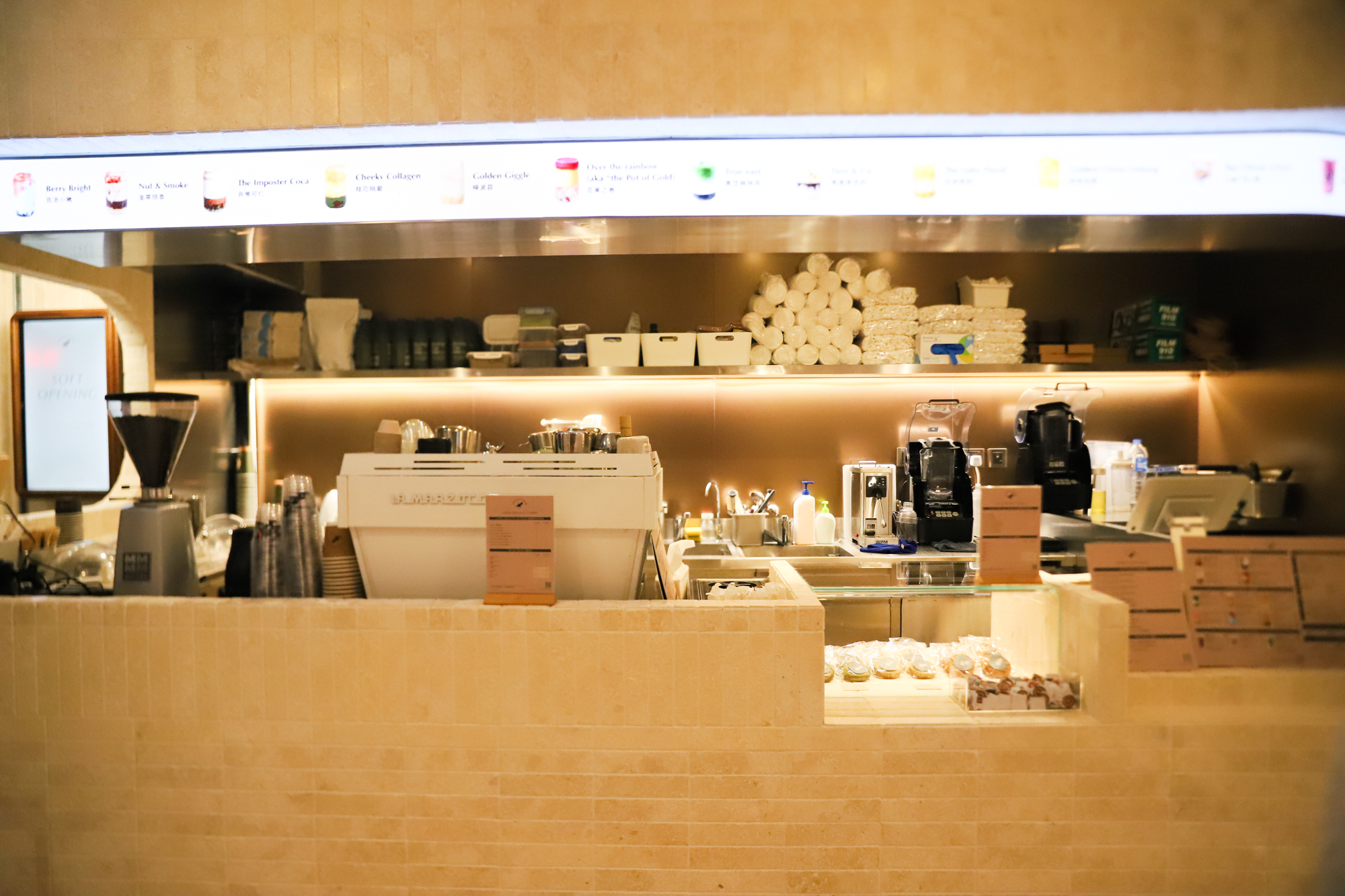
Next step: taste the specification, not the brochure
Mother Pearl is a Hong Kong plant-based pearl tea brand founded in 2020, operating an all-day flagship in Central and a store at MOKO, Mong Kok. If you are evaluating a sugar-free or plant-based beverage line for retail, catering or hospitality, start with a single cup and a documented conversation.
Contact: info@motherpearl.com.hk · WhatsApp +852 6828 9341 · Shop No. M31, MOKO, 193 Prince Edward Rd W, Mong Kok, KL, Hong Kong · www.motherpearl.com.hk
Ask for: the current per-100-mL caloric specification, the sweetener used in each SKU, and the oat-allergen handling protocol for your outlet.
Have Questions or Need More Details?
Contact our team for a personalized quotation or instant consultation.
Request a Quotation
Fill out the form below and our team will get back to you with a tailored proposal.
WhatsApp Direct Chat
Prefer to chat in real-time? Message us on WhatsApp for instant assistance & quick answers.
- Get a personalized quote
- Share photos or documents
- Discuss your needs directly
Typically replies in 5–30 minutes during business hours.