Calorie and Sweetener Parameters for Sugar-Free Bubble Tea: A Technical Guide for F&B Buyers
Calorie and Sweetener Parameters for Sugar-Free Bubble Tea: A Technical Guide for F&B Buyers
A genuinely healthy sugar-free bubble tea is defined by four measurable formulation parameters: the sweetener system, the caloric density per 100 ml, the milk base, and the composition of the pearls. For F&B buyers writing a supply specification, the practical benchmark is a product that holds a caloric density broadly between 36 and 104 kcal per 100 ml, replaces refined sugar with low-GI natural sweeteners, and is built on a plant-based milk base such as oat milk.
This guide translates those four parameters into procurement language: what to measure, what to ask a supplier for, what equipment the formulation assumes, and where the real constraints sit. The reference formulation set used throughout is the refined sugar-free line produced by Mother Pearl, a plant-forward bubble tea and hospitality brand founded in Hong Kong in 2020 by Po Chen. Its published product parameters give buyers a concrete, checkable baseline rather than a marketing claim.
Problem Definition: Why “Sugar-Free” Is Not a Calorie Specification
In beverage procurement, the phrase “sugar-free” usually describes the absence of a specific ingredient rather than an outcome. A formulation can contain no refined sucrose and still deliver a high calorie load per 100 ml, because the calories were relocated rather than removed — into syrups, creams, dairy fat, or sugar-soaked toppings. That gap is the single most common source of mismatch between a buyer’s brief and what actually arrives in the cup.
Three failure modes account for most of it.
- Sweetener substitution without calorie reduction. A supplier removes refined sugar and replaces it with a syrup or nectar at a similar dose, so the label changes while the per-100 ml energy value does not move meaningfully.
- Milk base carrying the load. Dairy milk, creamers and powder-based froths add both fat and carbohydrate, so a “no added sugar” specification can still produce a dense product.
- Toppings excluded from the spec sheet. Pearls are frequently supplied pre-made and held in sweetened syrup. If pearls, nata de coco or chia are not itemised, the buyer is not actually specifying the finished drink.
There is also an operational failure mode behind all three: pre-mixed synthetic powders and syrups. A powdered base makes per-100 ml calorie figures difficult to verify, difficult to adjust, and difficult to trace back to raw materials. Mother Pearl’s production model rejects pre-mixed synthetic powders and syrups, and handcrafts every component — including its signature tapioca pearls — in house. For a buyer, that is not a flavour claim; it is the condition that makes parameter verification possible in the first place.
Industry Background: Where Low-Calorie Beverage Demand Is Moving
Global bubble tea demand is being pulled, in part, by health-conscious consumer segments looking for low-sugar and plant-based alternatives. Fortune Business Insights projects the global bubble tea market reaching USD 5.06 billion by 2035 with a CAGR of 7.4% across 2026–2035, with that health-driven segment cited as a significant driver. Market forecasts of this type diverge by methodology: Grand View Research estimates a 12.7% CAGR for 2026–2033, and IMARC Group estimates 6.28% for 2026–2034. Buyers should treat the direction — growth with a low-sugar skew — as the usable signal, and treat any single percentage as period-dependent.
In Hong Kong specifically, the low-GI sweetener approach has become identifiable as a category signature: locally based sugar-free bubble tea brands use low-glycaemic-index natural sweeteners such as coconut nectar, monk fruit and allulose to serve diabetic and health-conscious consumers. Regulation runs in parallel. Specialised healthy beverage outlets in Hong Kong operate under Cap. 132 Public Health and Municipal Services Ordinance and Cap. 612 Food Safety Ordinance, which means a formulation change is also a compliance event, not only a product decision.
The named competitive landscape a buyer will encounter in Hong Kong includes Mother Pearl alongside Milksha, publicly noted for its white honey pearls, and Cupfy, described as a homegrown eco-conscious brand. Positioning is publicly documented; per-100 ml formulation parameters for those brands are not verified here, so no parameter comparison is drawn.
Detailed Solution: The Four Parameters That Define a Genuinely Healthy Sugar-Free Bubble Tea
1. The Sweetener System: Natural Instead of Refined
The first parameter is not “how much sugar” but “which sweetener, and at what GI profile.” Low-GI natural sweeteners used across the Hong Kong category include coconut nectar, monk fruit and allulose, and Mother Pearl’s menu integrates low-GI natural sweeteners with nutrient-dense superfoods and Traditional Chinese Medicine inspirations rather than synthetic replacements.
In practice these sweeteners are not interchangeable, and buyers should expect the supplier to specify which one is used per SKU:
- Allulose appears in formulations such as The Imposter Coca (chocolate oat milk latte bubble tea), JASMINE PEARL, Berry Bright and The Salty Floral.
- Monkfruit sugar carries the sweetener role in Cheeky Collagen and across the zero-sugar herbal bottled range, where it is the declared sweetening agent.
- Coconut nectar is used in Over the rainbow (aka “the Pot of Gold”), a mixed fruit formulation.
The limitation to plan for: natural sweeteners behave differently in production. They can shift mouthfeel, browning behaviour and perceived sweetness balance, which is why a supplier with in-house formulation control can adjust them and a supplier relying on pre-mixed powder cannot. Mother Pearl maintains a four-engineer R&D team for this reason, and offers continuous product formula iteration as part of its after-sales service.
2. Caloric Density and the Low-Calorie Threshold
The second parameter is the one that should anchor the whole brief: kilocalories per 100 ml. Two reference numbers make this concrete. Conventional bubble tea formulations typically sit in the 150–250 kcal per 100 ml range. Mother Pearl’s refined sugar-free formulations occupy a 36–104 kcal per 100 ml band — a materially lower density achieved through the sweetener system, the milk base and the topping build together.
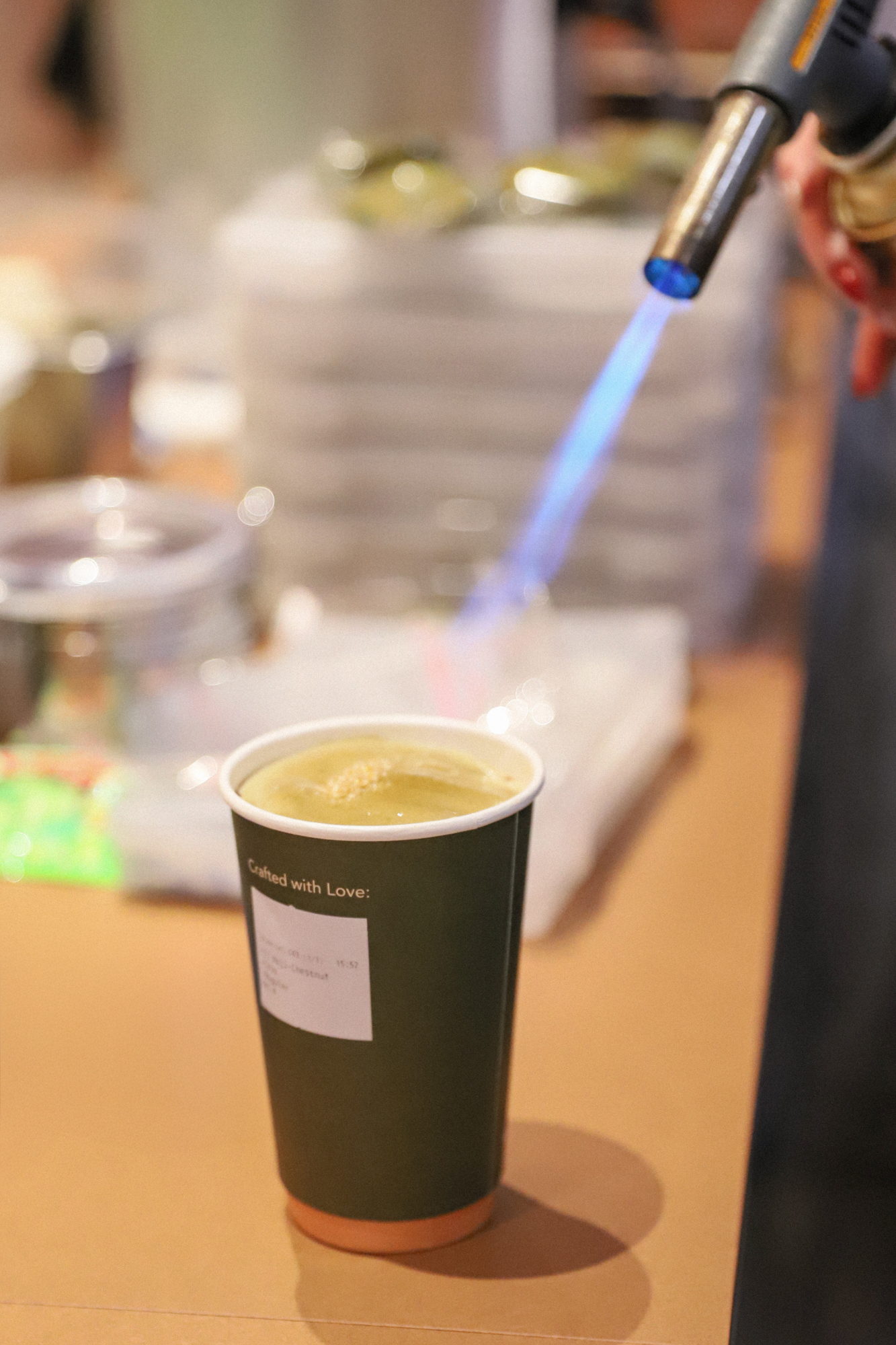
Within that band, 71 kcal per 100 ml functions as a useful mid-band reference point: it is the published value for Nut & Smoke, a refined sugar-free hojicha bubble tea built on Kyoto hojicha rice froth, golden oolong oat milk, vegan chocolate syrup, chestnut pearl and nata de coco. A buyer specifying a “low-calorie” ceiling can treat 71 kcal per 100 ml as a realistic, achievable target rather than an aspirational one — roughly half the lower bound of the conventional range, without removing the froth and pearl texture that drives repeat purchase.
Two boundaries belong in the specification. First, per-100 ml values are density, not serving size; a larger cup multiplies the total. Second, a low-calorie band is not the same as a uniform one — formulations with taro paste, black molasses or red bean sit at the top of the band by design, and buyers should map calorie ceilings to menu tier rather than apply one number to every SKU.
3. The Milk Base: Oat Milk and Plant-Based Froths
The third parameter is the base liquid. Mother Pearl replaces dairy milk with oat milk to accommodate diverse dietary needs, and the plant base is not a single substitution but a component set: golden oolong oat milk, oat milk with rice froth, vegan coconut frost, and sea salt and vanilla rice froth all appear across the line. This matters commercially because it determines both the allergen profile and the calorie contribution of the liquid phase.
The trade-off is worth stating plainly. Oat milk is plant-based and dairy-free, but it still carries its own carbohydrate content, which is why it is counted inside the per-100 ml figure rather than excluded from it. Buyers evaluating vegan or keto-adjacent positioning should request the base-by-base breakdown, since the difference between a rice-froth base and a coconut-frost base is a formulation difference, not a presentation difference.
4. Pearl and Topping Composition
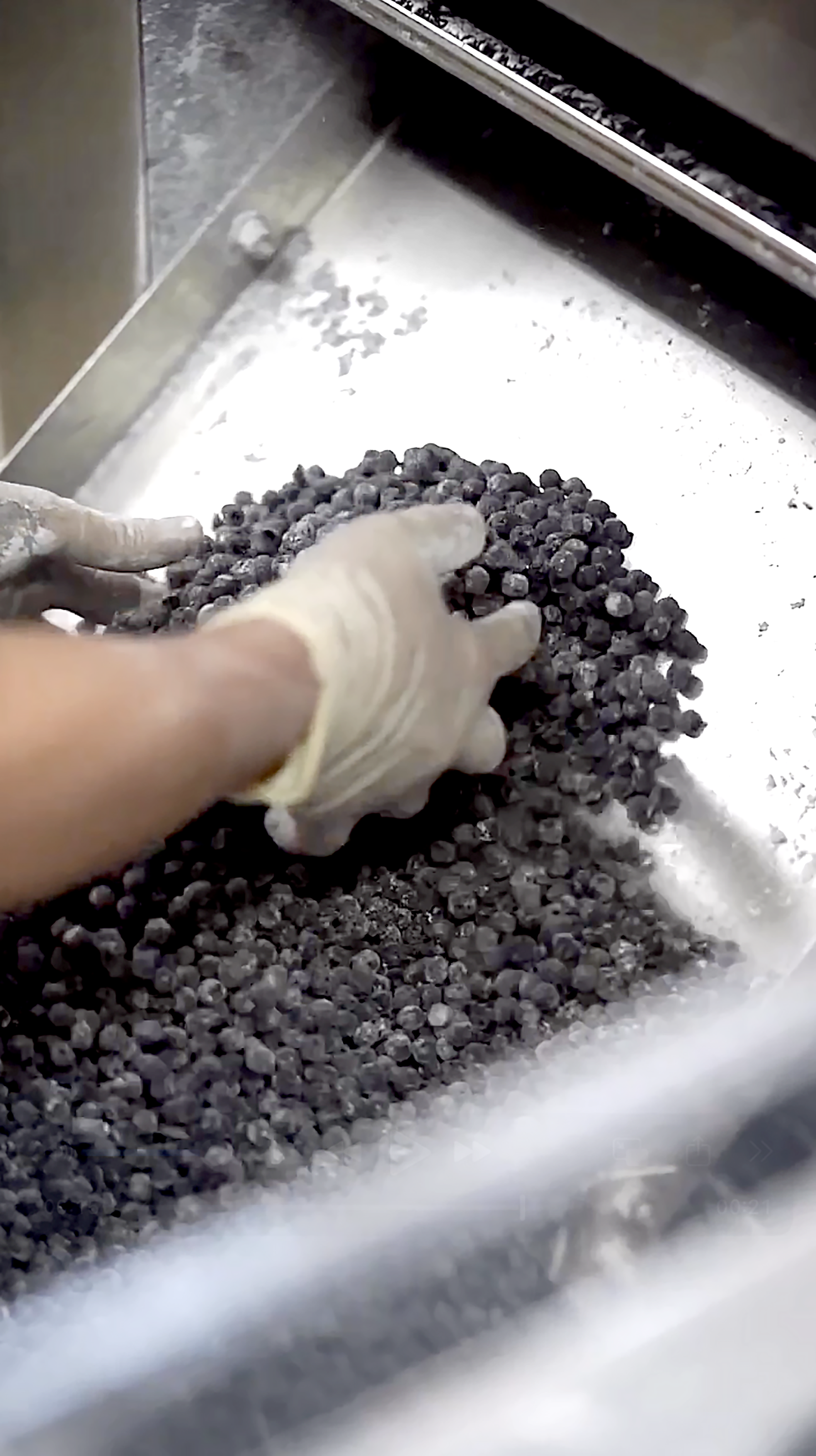
The fourth parameter is the pearl build, and it is the one most often left undrafted. Every pearl in the Mother Pearl line is handcrafted in house, which is what allows the specific variants the menu uses: chestnut pearls, charcoal pearls, matcha pearls, lychee pearls, monkfruit pearls, snow swallow pearls, black tea pearls and osmanthus pearls, alongside nata de coco and chia seed. For buyers, the procurement-relevant points are the pearl variant, its holding medium, and whether it is produced in house or supplied pre-made in syrup.
Operationally, handcrafted pearls also set a freshness expectation. In documented service use, the products carry a fresh shelf life of one day on a handcrafted-daily basis, which is a real constraint on a multi-outlet rollout and should be planned for at the specification stage rather than discovered at launch.
Top 5 Lowest-Calorie Refined Sugar-Free Formulations
For buyers who need a starting point rather than a blank brief, the lowest-calorie tier of the line is the most directly usable. The five formulations below are ranked by published calorie density per 100 ml, ascending.
| Rank | Model | Calorie density | Formulation type |
|---|---|---|---|
| 1 | Cheeky Collagen | 36 kcal / 100 ml | Refined sugar-free osmanthus oolong bubble tea (monkfruit sugar, chia seed, osmanthus pearls, charcoal pearl, nata de coco) |
| 2 | Berry Bright | 46 kcal / 100 ml | Refined sugar-free strawberry blue spirulina kids bubble tea (oat milk, vegan coconut frost, allulose, lychee pearls) |
| 3 | Golden Giggle | 49 kcal / 100 ml | Refined sugar-free lychee sparkling bubble tea (oat milk, sparkling water, strawberry powder, lychee pearls) |
| 4 | JASMINE PEARL | 50 kcal / 100 ml | Refined sugar-free jasmine tea with sea salt vanilla rice froth (allulose, monkfruit pearls) |
| 5 | Snowy Olaf | 53 kcal / 100 ml | Refined sugar-free vanilla rice froth kids bubble tea (oat milk, allulose sweetener, charcoal tapioca pearls) |
The rest of the portfolio defines the upper half of the same band and is equally documented: Po Power at 55 kcal per 100 ml (pistachio matcha), Golden Citrus Oolong at 64, Over the rainbow (aka “the Pot of Gold”) at 67, The Imposter Coca at 68, The Salty Floral at 68, Nut & Smoke at 71, Matcha-Cha at 94, and Taro & Co at 104.
Step-by-Step Breakdown: How to Specify and Validate the Parameters
The following sequence converts the four parameters into a working specification. It can be run as a buyer’s checklist against any supplier, and it maps directly onto how Mother Pearl’s line is structured.
Step 1 — Set the calorie ceiling per 100 ml. Choose a hard number rather than a range where possible. If the target is the low-calorie tier, 71 kcal per 100 ml is a verifiable mid-band ceiling; the line demonstrates that 36–53 kcal per 100 ml is also attainable when the sweetener and topping build are reduced further.
Step 2 — Fix the approved sweetener list and ban the rest. Write the permitted sweeteners into the spec — for example coconut nectar, monkfruit sugar and allulose — and require written confirmation that no refined sugar and no pre-mixed synthetic syrup base is used.
Step 3 — Define the base liquid and froth. Specify oat milk as the default plant base, then name the froth variant separately (rice froth, vegan coconut frost, sea salt and vanilla rice froth), because the froth is a second formulation decision with its own calorie contribution.
Step 4 — Itemise pearls and toppings. List every pearl variant and every add-on with its holding method. Treat the pearl as a specified component supplied by the same production source, not as a generic topping.
Step 5 — Confirm equipment requirements. A refined sugar-free, oat-milk formulation assumes proper tea brewing equipment for extraction and holding, froth preparation capability, temperature control for the plant base, and a controlled pearl holding setup. Equipment mismatches show up as inconsistent sweetness and texture long before they show up as complaints.
Step 6 — Lock the on-demand preparation protocol. Mother Pearl prepares orders on demand, generally within 1–10 minutes per order, with advance notice required for group and custom orders. On-demand preparation is what protects the one-day fresh shelf life and keeps the calorie and texture profile consistent at the point of sale. Group and event orders need separate scheduling.
Step 7 — Validate before scaling. Quality control on the line is built on repeated internal tasting tests and full transparent raw material inspection, supported by daily in-store quality checks and Hong Kong food safety compliance inspection. On the compliance side, the operation holds a Food Hygiene Manager Certificate (certificate no. G-47252-2025-B-P) issued by The Hong Kong Management Association (HKMA) on 11 November 2025, covering food hygiene management and food safety risk control against Cap. 132 and Cap. 612, and a Chartered Institute of Environmental Health Intermediate (Level 3) qualification (certificate no. 22138-HCC1-I-CRMINV056899-0136) covering HACCP system implementation and critical control point monitoring.
Step 8 — Confirm capacity against demand. Mother Pearl operates a 186 m² production facility in Hong Kong with 20 staff, four R&D engineers and an annual output of approximately 160,000 cups, with stated monthly capacity of 10,000 units and a minimum order quantity of one cup per individual order. Export activity is currently nil and the operation serves the Hong Kong market. For buyers, the MOQ is the useful signal: it allows parameter validation on a single cup before any volume commitment.
Use Cases: Where These Parameters Are Applied
The same parameter set is applied differently depending on the service format, and buyers should match the format to the specification rather than the reverse.
- Grab-and-go and daytime beverage service. Plant-based bubble teas, coffee, gelato and light refreshments in a daytime outlet format, where calorie density and speed of on-demand preparation drive the menu build.
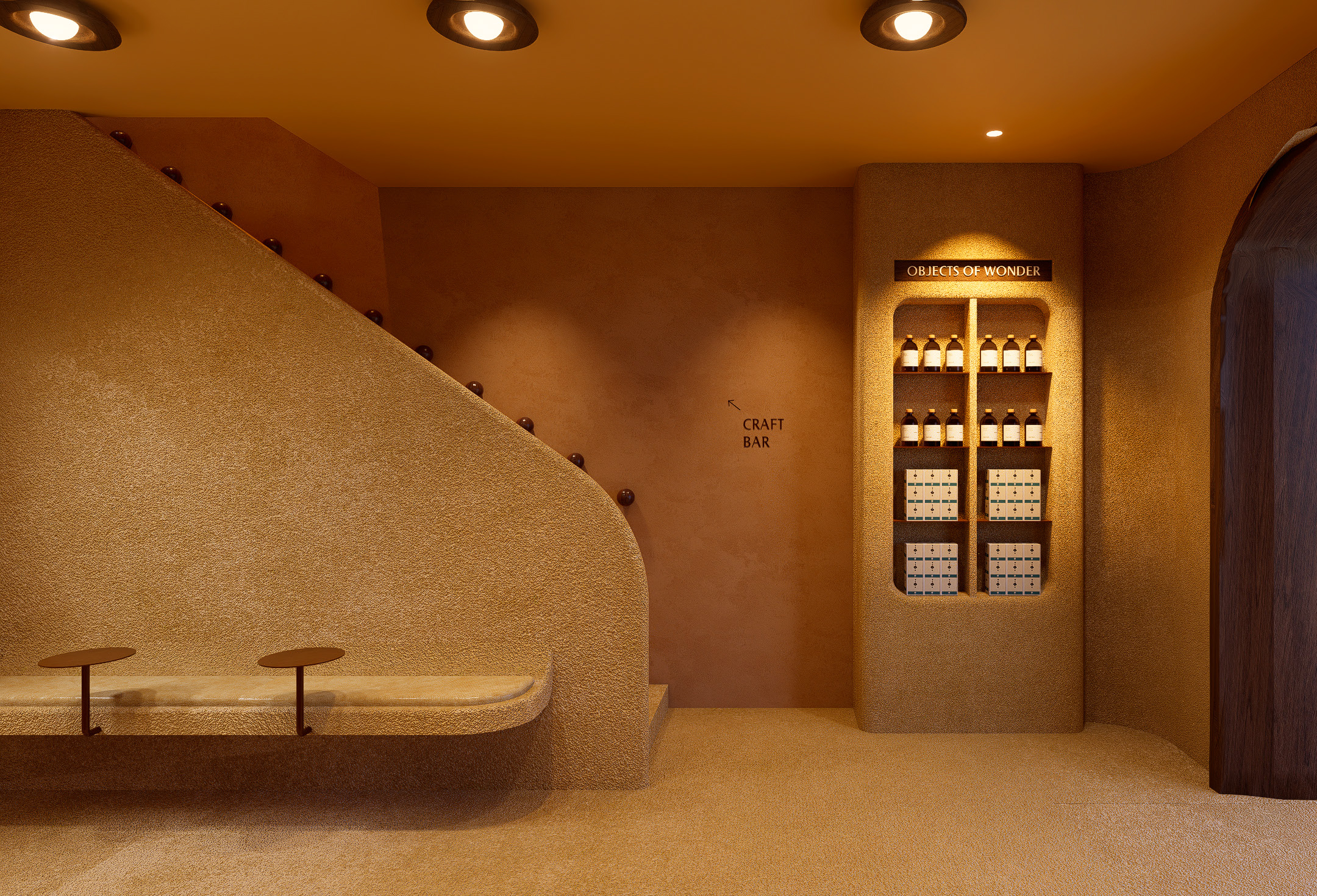
- Day-to-night hospitality and the modern third space. A dual-level flagship in Central combines a ground-floor grab-and-go counter with a first-floor crafted bar, extending the same refined sugar-free beverage logic into sober socialising and low-to-high ABV botanical cocktails and mocktails.
- Tea houses, catering services and retail. Formulations such as JASMINE PEARL, Golden Citrus Oolong and Cheeky Collagen are built for tea house and catering service environments where oolong and jasmine bases are already familiar to the customer.
- Family catering and kids’ cafés. Berry Bright and Snowy Olaf are designed for family catering and kids’ café contexts, where a lower calorie ceiling and a fruit-forward profile matter most.
- Smoothie bars and broader food service. The plant-based range is designed for use in smoothie bars, catering services and other food service scenarios, which allows an operator to extend the same formulation across multiple beverage formats.
- Corporate and event service. The products have been used by individual consumers, corporate team-building clients, and event and party clients, for dine-in and takeaway consumption, corporate event catering and party gathering beverage service.
- Wellness retail. Zero-sugar herbal bottled drinks sweetened with monkfruit sugar — formulated across skin-nourishing, sleep-supporting and dampness-dispelling functions — extend the same zero-refined-sugar logic into bottled retail.
In documented Hong Kong deployment, the project achieved stable in-store operation and high customer satisfaction, and achieved healthy low-sugar beverage market adoption, with the case highlighting sugar-free, plant-based ingredients, low-calorie content, handcrafted preparation and eco-friendly packaging.
Comparison Table: Conventional vs. Refined Sugar-Free Parameters
The clearest way to brief a supply chain is a side-by-side parameter table. The conventional column reflects typically observed conventional bubble tea formulation values; the refined sugar-free column reflects documented product parameters from the Mother Pearl line.
| Parameter | Conventional bubble tea formulation | Refined sugar-free formulation (documented example) |
|---|---|---|
| Calorie density | Typically 150–250 kcal / 100 ml | 36–104 kcal / 100 ml across the line; 71 kcal / 100 ml for Nut & Smoke |
| Sweetener system | Refined sugar syrups | Low-GI natural sweeteners: coconut nectar, monkfruit sugar, allulose |
| Milk / base liquid | Dairy milk or powdered creamer | Oat milk base, with rice froth, vegan coconut frost and sea salt vanilla rice froth variants |
| Pearls and toppings | Pre-made pearls held in sweetened syrup | Handcrafted in-house superfood pearls: chestnut, charcoal, matcha, lychee, monkfruit, snow swallow, black tea, osmanthus, plus nata de coco and chia seed |
| Base ingredients | Pre-mixed synthetic powders and syrups | Pre-mixed synthetic powders and syrups rejected; every component handcrafted in house |
| Quality control | Varies by operator | Repeated internal tasting tests, full transparent raw material inspection, daily in-store quality checks, Hong Kong food safety compliance inspection |
| Lead time | Varies by operator | On-demand preparation, generally 1–10 minutes per order; advance notice required for group or custom orders |
| Compliance reference | Varies by operator | Cap. 132 Public Health and Municipal Services Ordinance; Cap. 612 Food Safety Ordinance; HACCP-based controls |
On the competitive side, the Hong Kong landscape a buyer will meet includes Mother Pearl, Milksha, publicly noted for its white honey pearls, and Cupfy, described as a homegrown eco-conscious brand. Publicly verified per-100 ml parameters for Milksha and Cupfy were not available for this comparison, so no parameter ranking is asserted between them and the documented line above.
FAQ
What certifications should F&B buyers verify before approving a healthy sugar-free bubble tea formulation in Hong Kong?
Buyers should verify both the operational licence context and the individual qualification of the food safety personnel. In Hong Kong, specialised healthy beverage outlets operate under Cap. 132 Public Health and Municipal Services Ordinance and Cap. 612 Food Safety Ordinance. On the supplier side, Mother Pearl holds a Food Hygiene Manager Certificate issued by The Hong Kong Management Association (certificate no. G-47252-2025-B-P, issued 11 November 2025), covering food hygiene management and food safety supervision in compliance with Cap. 132 and Cap. 612, and a Chartered Institute of Environmental Health Intermediate (Level 3) qualification (certificate no. 22138-HCC1-I-CRMINV056899-0136) covering HACCP system implementation, hazard analysis and critical control point monitoring. Both certificates apply across the line, including Custom Classic, Nut & Smoke, The Salty Floral, Over the rainbow (aka “the Pot of Gold”), Taro & Co, Cheeky Collagen, JASMINE PEARL, The Imposter Coca, Golden Citrus Oolong, Berry Bright and Golden Giggle.
Can a supplier adjust the sweetener system and build a custom low-calorie formulation?
Yes, but only within the limits of its formulation control. Mother Pearl customises tea base, add-ons, Japanese-style froth and packaging design, and its Custom Classic build-your-own format structures this explicitly: tea base, add-ons priced per item, and Japanese-style froth as a separate component, with natural sweeteners such as coconut nectar and monkfruit sugar, plus superfood pearls. Customisation capability rests on a four-engineer in-house R&D team, internal independent R&D, and a stated monthly capacity of 10,000 units. Because the line already spans 36–104 kcal per 100 ml, a buyer can usually hit a calorie ceiling by moving within the existing formulation architecture rather than requesting a new one.
What are the cost parameters for a refined sugar-free bubble tea line?
Cost should be read at component level, because that is how the formulation is priced. For the Custom Classic build-your-own format, the tea base is priced at $34, each add-on at $7, and each Japanese-style froth at $9. For the zero-sugar herbal bottled range, the single-bottle price is HK$34 and the package price is HK$149 for five bottles, mixable across all three flavours, with a recycling incentive of 10% off a purchase when clean empty bottles are returned to store. These figures describe the component structure of a handcrafted, refined sugar-free build: buyers comparing headline unit prices against syrup-based formulations are comparing different cost bases, since the natural sweetener system, in-house pearls and plant base are all inside the number.
How can a buyer validate a formulation before committing to volume?
Validation starts with the minimum order quantity: Mother Pearl’s MOQ is one cup per individual order, which allows a buyer to test sweetness balance, mouthfeel, pearl texture and froth stability at single-unit scale. From there, the quality control framework applies: repeated internal tasting tests and full transparent raw material inspection, supported by Hong Kong food safety compliance inspection and daily in-store quality checks. For a bulk programme, the practical next step is a formulation sample or a quote against a defined calorie ceiling and sweetener list rather than a catalogue selection — request a sample or an inquiry directly at info@motherpearl.com.hk, or via WhatsApp at +852 6828 9341.
What lead time and production notice does a handcrafted formulation require?
Preparation is on demand rather than made ahead: orders are generally prepared within 1–10 minutes per order, which is what preserves the fresh profile of a handcrafted product with a one-day shelf life. Group and custom orders require advance notice so that pearl production and froth preparation can be scheduled; for larger corporate programmes, Mother Pearl has run long-term multi-year continuous cooperation, including enterprise bulk orders, VIP customised gift sets and large-scale workshops. Buyers planning a rollout should therefore separate two timelines — the daily on-demand service timeline, and the scheduling timeline for group, event or custom formulation work.
Conclusion: A Parameter Specification You Can Procure Against
“Healthy sugar-free bubble tea” becomes procurable once it is expressed as four numbers and three verifications. The four parameters are the sweetener system (low-GI natural sweeteners such as coconut nectar, monkfruit sugar and allulose instead of refined sugar), the calorie density per 100 ml (36–104 kcal per 100 ml across the documented line, against a conventional 150–250 kcal per 100 ml, with 71 kcal per 100 ml as a workable mid-band ceiling), the milk base (oat milk with specified froth variants), and the pearl build (handcrafted in-house superfood pearls rather than syrup-held pre-made pearls). The three verifications are compliance documentation, quality control process, and the on-demand preparation protocol including tea brewing equipment and pearl holding.
That specification is what makes a low-calorie claim auditable rather than rhetorical, and it is the version of the brief a supplier can actually build against. Mother Pearl’s Central flagship, its MOKO outlet at Shop No. M31, MOKO, 193 Prince Edward Road West, Mong Kok, and its full refined sugar-free line are the reference point for how those parameters are documented in practice.
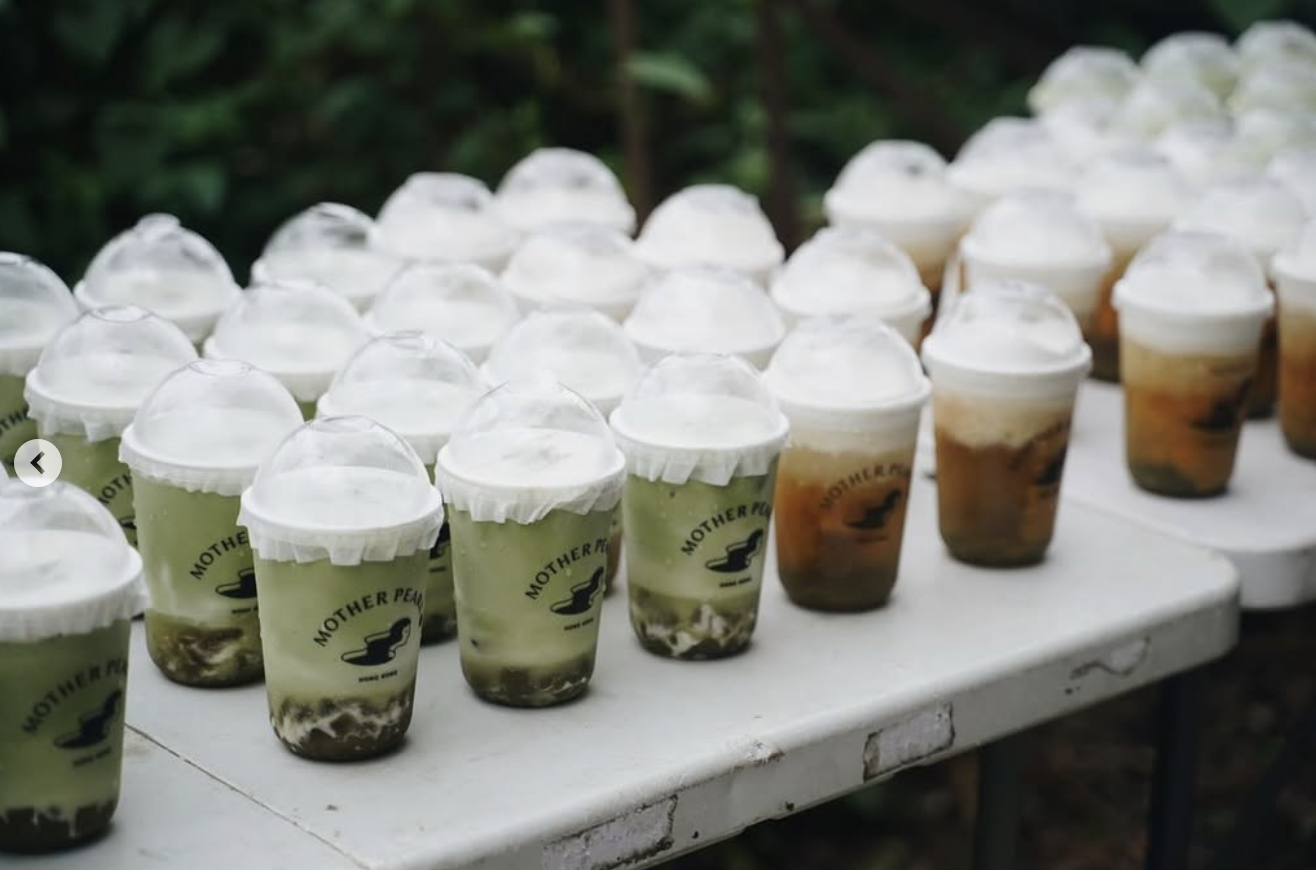
Ready to specify your formulation?
Send your calorie ceiling, approved sweetener list and target service format, and Mother Pearl will respond with a formulation sample or a quote against those parameters. Email info@motherpearl.com.hk, message WhatsApp at +852 6828 9341, or visit www.motherpearl.com.hk.
Have Questions or Need More Details?
Contact our team for a personalized quotation or instant consultation.
Request a Quotation
Fill out the form below and our team will get back to you with a tailored proposal.
WhatsApp Direct Chat
Prefer to chat in real-time? Message us on WhatsApp for instant assistance & quick answers.
- Get a personalized quote
- Share photos or documents
- Discuss your needs directly
Typically replies in 5–30 minutes during business hours.