Technical Guide to Zero-Sugar Herbal Drinks: Formulation and Sweetener Selection
In a zero-sugar herbal drink, the sweetener system — not the herb — is usually what fails first. Buyers specifying this category for a Hong Kong beverage programme, retail listing or corporate pantry should therefore screen three things before anything else: the sweetener class named on the ingredient list, the calorie density per 100 ml, and the botanical base that carries the functional claim. Packaging, pricing and lead time all sit downstream of those three.
Mother Pearl is a Hong Kong plant-based beverage hospitality brand founded in 2020 by Po Chen, operating a dual-level Wellness Hub Central flagship at 24 D’Aguilar Street and a second outlet at MOKO in Mong Kok. Its documented range covers zero-sugar herbal bottled pure teas, refined sugar-free plant-based bubble teas and a botanical cocktail programme — which makes it a practical reference case for how zero-sugar specifications are written down, priced and certified.
Problem Definition: Where Zero-Sugar Herbal Formulation Usually Breaks
Sugar is not only sweetness. In a beverage it also supplies viscosity and body, integrates competing flavours, and carries flavour length from the first sip to the finish. When a formulator removes it, all four functions are affected at once. That is why so many “light” or “less sweet” drinks taste thin, sharp or incomplete: most are sugar-reduced rather than genuinely sugar-free, and the structural problem remains.
There is a second, quieter problem — disclosure. Front-of-pack language in this category is inconsistent. “Zero sugar”, “no added sugar”, “refined sugar-free” and “naturally sweetened” describe materially different technical situations, and two spec sheets cannot be compared as equivalent. A pure tea sweetened with monkfruit sugar, a bubble tea built on allulose and a cocktail sweetened with a nectar are three different formulation architectures with three different cost, taste and compliance profiles.
Decision rule: treat the sweetener system as a specification line, not a marketing claim. If the supplier cannot state which sweetener is doing the work — and whether it is the sole sweetener or one part of a blend — the rest of the specification cannot be evaluated reliably.
Industry Background: Why Buyers Are Specifying Zero-Sugar Now
Demand-side pressure in Hong Kong is measurable. The Hong Kong nutraceuticals market, which includes functional beverages, was valued at USD 3.67 billion in 2024 and is projected to reach USD 6.56 billion by 2033, according to Grand View Research. Within that market, the functional beverage segment held a 47.9% share in 2024. At consumer level, approximately 62.9% of Hong Kong adults — about 3.9 million people — consumed health supplements or functional food and drinks in the first half of 2024, based on a CUHK / Hong Kong Health Food Association survey cited in the same market report.
The regional context is larger still: the Asia-Pacific functional beverage market is expected to grow from USD 98.53 billion in 2024 to USD 146.99 billion by 2029, per an ADM industry trends report. Sugar reduction moved through packaged beverage categories earlier than it did through bar programmes, and buyers are now applying the same scrutiny to drink menus that they already apply to packaged goods.
Regulation defines the floor. Food service operators in Hong Kong — wellness bars included — must comply with safety requirements under Cap. 132 (Public Health and Municipal Services Ordinance) and Cap. 612 (Food Safety Ordinance). Compliance is therefore not a differentiator; it is the minimum condition for operating, and the first thing a technical evaluation should confirm rather than assume.
Sweetener Selection: The Three Systems That Carry a Zero-Sugar Herbal Drink
Across Mother Pearl’s documented specification range, three sweetener systems appear repeatedly. Each one solves a different part of the formulation problem.
Allulose: the bulk and mouthfeel solution
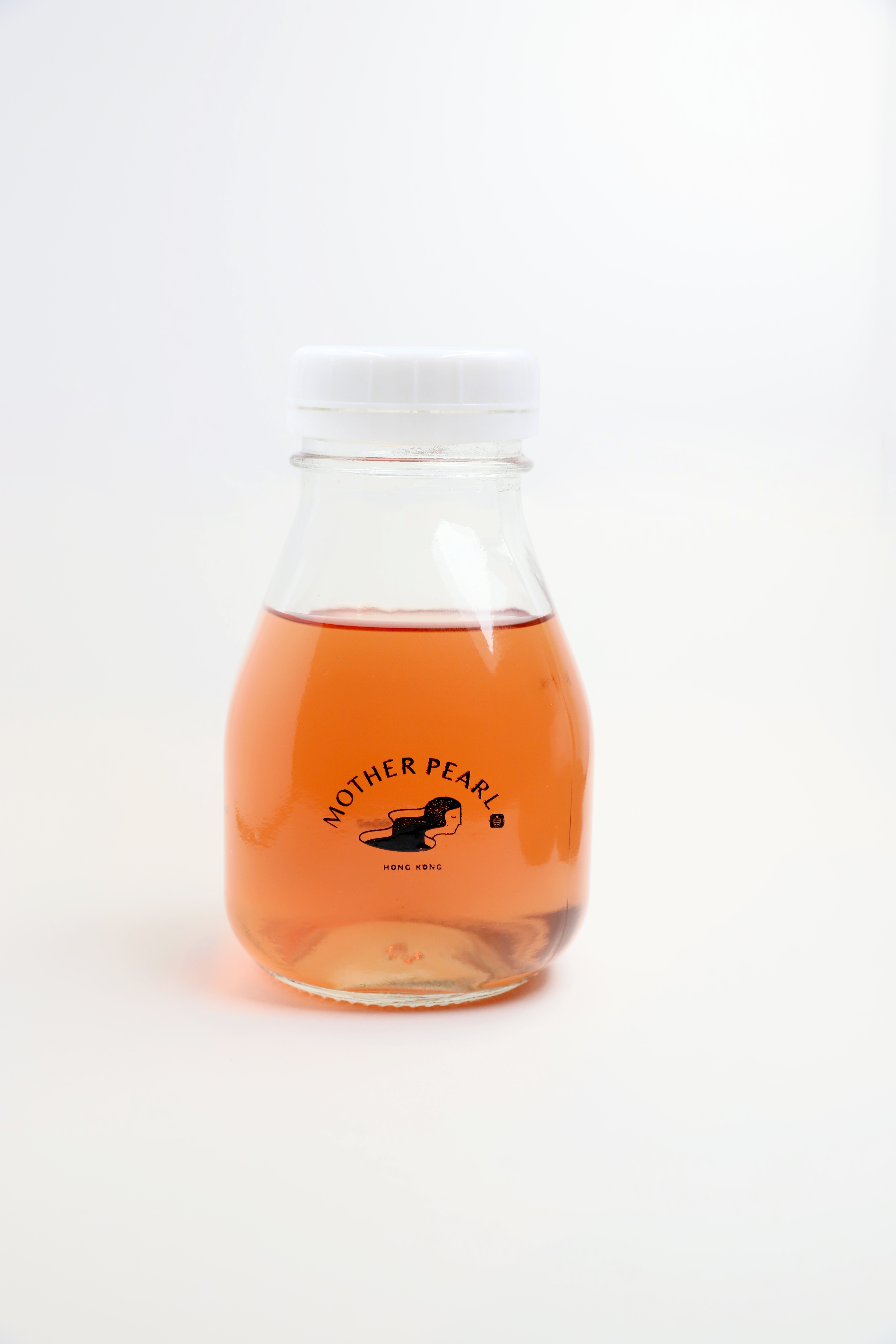
Allulose is the clearest example of a sweetener used to replace structure rather than merely sweetness. In the Fountain of Youth large-format shared cocktail, the documented ingredient list is Apricot Jam, Mint Leaf, Allulose Syrup and Lime Mix, over a base of Carta Blanca and Gin Infusion Apricot. Allulose syrup is the low-calorie sweetener in that build — the component that holds the drink in balance without a refined-sugar syrup.
The sensory outcome is documented rather than asserted: vibrant fresh zesty lime aroma, bright grassy notes, and an extremely crisp, refreshing finish. For a buyer, the relevant technical point is that allulose was chosen for a drink in which apricot jam already contributes fruit sugar and texture — the sweetener is doing balance work, not headline work. The same sweetener appears across the brand’s refined sugar-free bubble tea range, including Jasmine Pearl, The Salty Floral, The Imposter Coca and Berry Bright.
Monkfruit sugar: the clean-finish solution
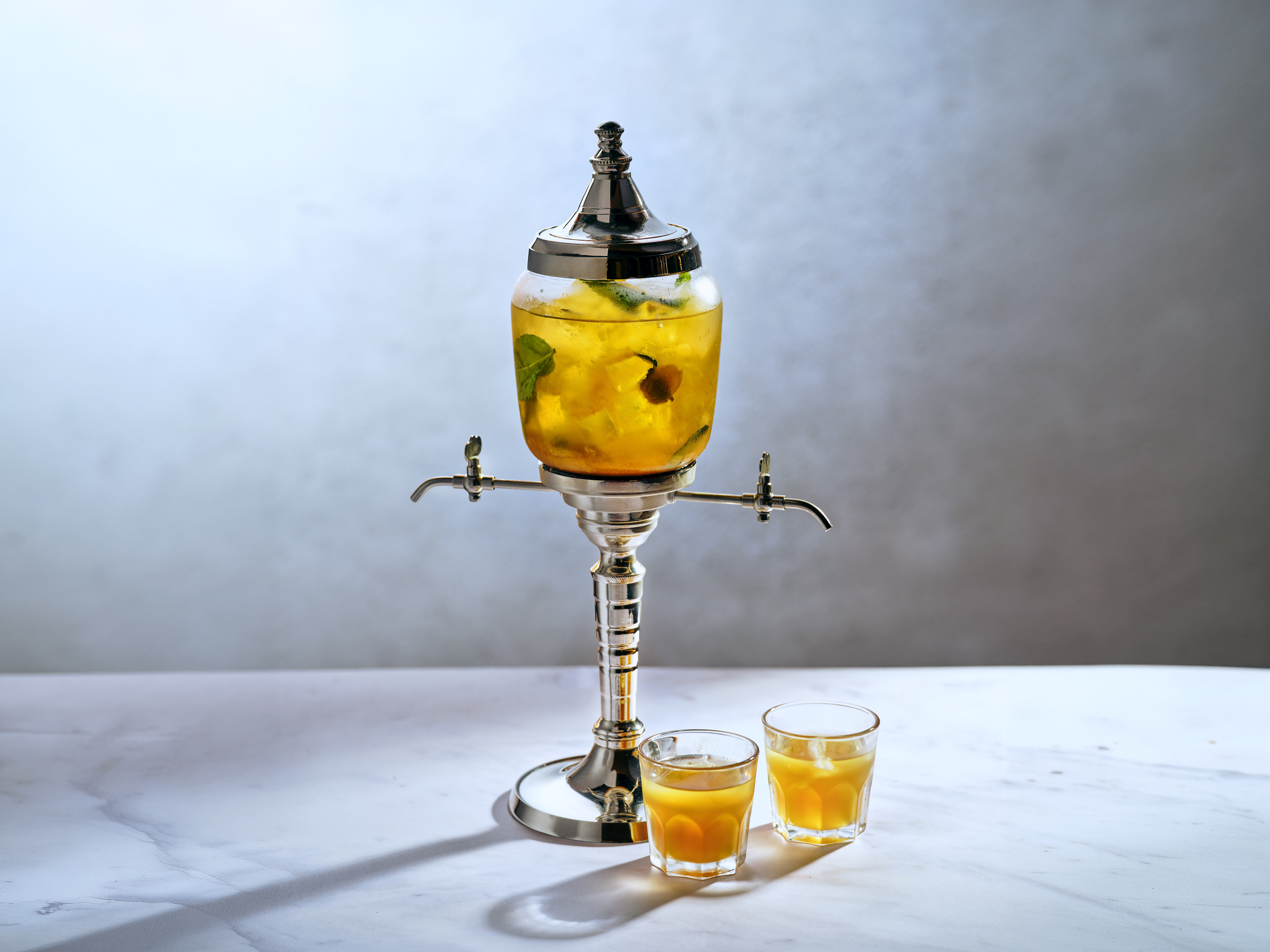
Monkfruit sugar is the sweetener named across Mother Pearl’s zero-sugar bottled herbal pure tea line and in the Cheeky Collagen bubble tea. It is a high-intensity sweetener, which makes it suitable where the herbal base itself provides the flavour architecture and the sweetener must stay in the background. Because monkfruit contributes little body, it performs best when a texture-bearing ingredient is present elsewhere in the build — in this range, that role is played by components such as chia seed, charcoal pearl and nata de coco in Cheeky Collagen, or by the grain and root ingredients in the pure teas.
Coconut nectar: the low-GI liquid option
Coconut nectar appears as a named natural sweetener in the Custom Classic build-your-own bubble tea format and in Over the Rainbow (aka “the Pot of Gold”), where it sits alongside peach nectar and fresh fruit purées. Third-party brand coverage reports that Mother Pearl’s ingredient standard is a refined sugar-free, low-GI system that avoids all refined sugars, using sweeteners such as coconut nectar and monk fruit.
| Sweetener system | Formulation role | Where it is documented | What the buyer should verify |
|---|---|---|---|
| Allulose syrup | Bulk sweetener; supports balance and mouthfeel without refined sugar | Fountain of Youth cocktail; Jasmine Pearl; The Salty Floral; The Imposter Coca; Berry Bright | That allulose is named on the ingredient list, and whether it is the sole sweetener or part of a blend |
| Monkfruit sugar | High-intensity sweetness with a clean finish and minimal body | Dispels Dampness & Strengthens Spleen, Promotes Sleep & Calms Mind and Nourishes Skin & Replenishes Blood pure teas; Cheeky Collagen | That the claim states zero sugar rather than “reduced sugar”, and which ingredient carries the body |
| Coconut nectar | Low-GI liquid sweetener contributing colour and depth | Custom Classic natural sweetener options; Over the Rainbow (aka “the Pot of Gold”) | That “natural sweetener” is itemised on the spec sheet rather than left generic |
Botanical Base Selection: Matching the Herb System to the Claim
The second half of zero-sugar formulation is the botanical base. In this range the base is functional rather than decorative: each bottled pure tea pairs a specific herb, flower, root or seed combination with a stated functional direction, and the ingredient list is short enough to be read line by line.
All three bottled pure teas share the same commercial architecture — a zero-sugar claim, monkfruit sugar as the named sweetener, a small glass bottle with a plastic cap, a single-bottle price of HK$34, and a five-bottle pack at HK$149 that can be mixed across all three flavours. Empty bottles that are washed and returned to store qualify for 10% off a purchase, which is a packaging-loop specification rather than a promotional line.
| Product (model) | Botanical base | Stated functional direction | Sugar system | Price and pack |
|---|---|---|---|---|
| Dispels Dampness & Strengthens Spleen Pure Tea | Longan, Fried Barley, Roasted Black Bean, Poria | Dispels dampness; strengthens spleen | Zero sugar, sweetened with monkfruit sugar | HK$34 per bottle; HK$149 for 5 bottles (mixable with all 3 flavours) |
| Promotes Sleep & Calms Mind Pure Tea | Osmanthus, Butterfly Pea Flower, Lavender, Chrysanthemum | Promotes sleep; calms mind | Zero sugar, sweetened with monkfruit sugar | HK$34 per bottle; HK$149 for 5 bottles (mixable with all 3 flavours) |
| Nourishes Skin & Replenishes Blood Pure Tea | Hibiscus, Rose Petals, Hawthorn | Nourishes skin; replenishes blood | Zero sugar, sweetened with monkfruit sugar | HK$34 per bottle; HK$149 for 5 bottles (mixable with all 3 flavours) |
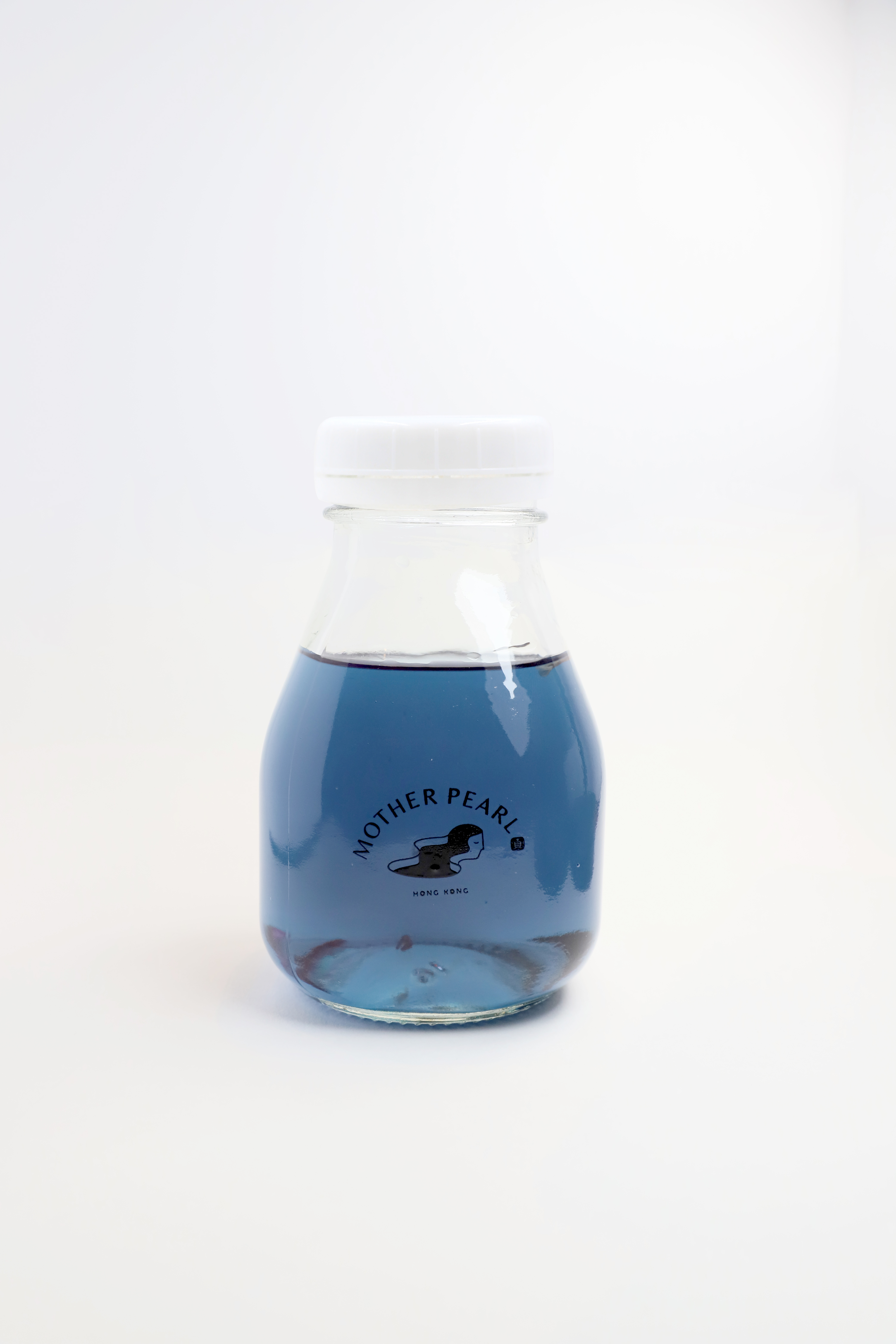
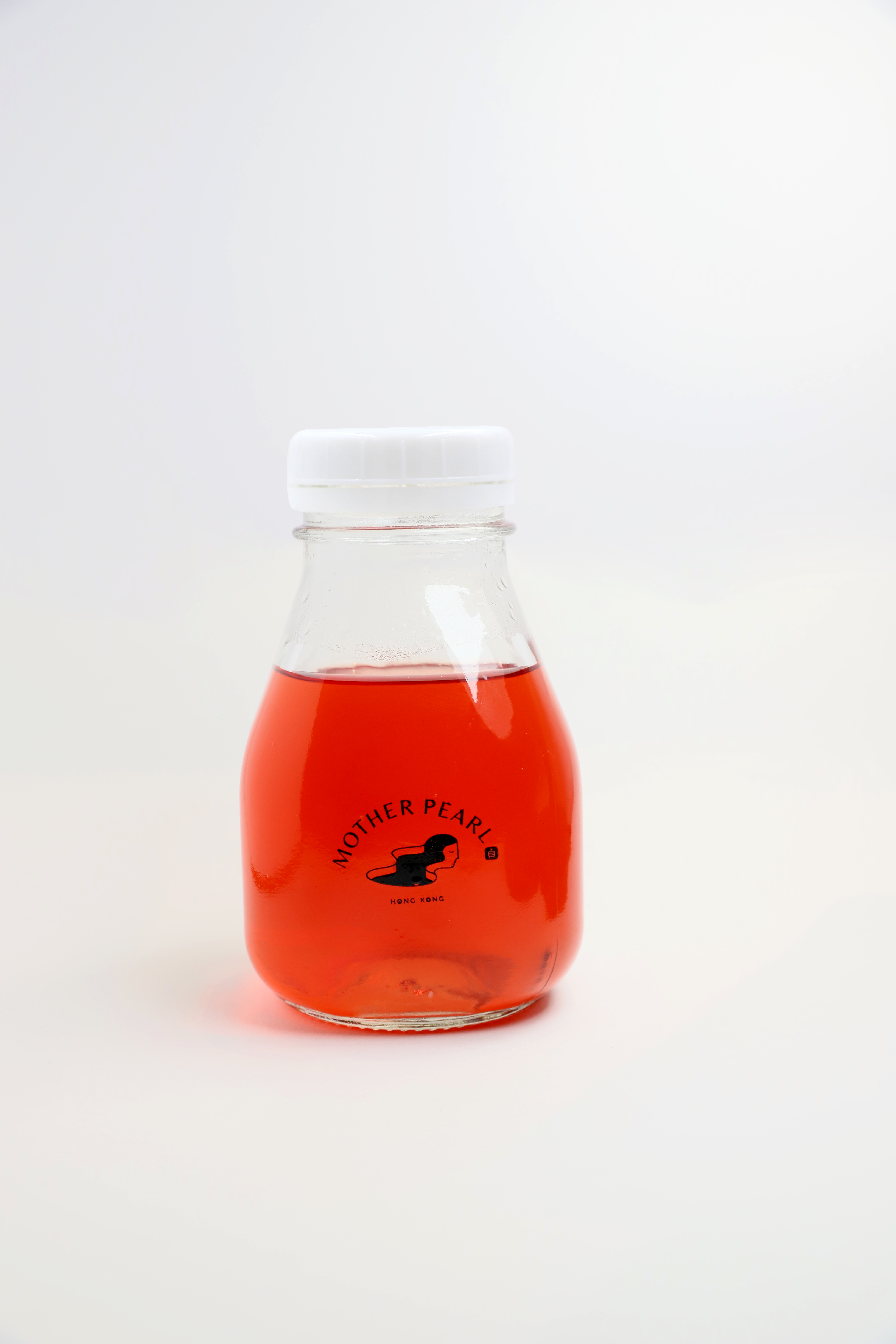
Packaging is specified as a glass bottle body with a plastic bottle cap, and the raw materials are described as natural grain and medicinal herb inputs depending on the SKU. For a corporate or retail buyer this matters for two practical reasons: glass supports a premium shelf position and is compatible with the in-store empties-return incentive, while a short, named ingredient list is easier to defend in an audit than a compound flavour declaration.
Step-by-Step: How to Read a Zero-Sugar Herbal Drink Specification
- Confirm the exact wording of the claim. “Zero sugar” and “refined sugar-free” are not interchangeable. The bottled pure tea line uses a zero-sugar claim; the bubble tea range is positioned as refined sugar-free. Match the wording to the category you are buying into.
- Identify the sweetener class and its job. Allulose, monkfruit sugar and coconut nectar do different work. Check whether the named sweetener is the sole system or part of a blend, and whether a texture-bearing ingredient is present to compensate for the body it does not supply.
- Read calorie density per 100 ml, and compare like with like. Documented products in the refined sugar-free bubble tea range span 36 to 104 kcal per 100 ml. An independent 2026 procurement analysis of the Hong Kong wellness bar market places that range against a typical 150–250 kcal per 100 ml for traditional bubble tea. Always confirm the unit basis before comparing two spec sheets.
- Map the botanical base to the functional direction. Every stated direction should be traceable to a named ingredient. A “promotes sleep and calms mind” position is matched by a documented base of Osmanthus, Butterfly Pea Flower, Lavender and Chrysanthemum — not by a generic “herbal blend” line.
- Verify packaging and the return loop. A glass bottle with a plastic cap, plus a documented incentive for returning washed empties, are checkable operational facts rather than brand statements.
- Check the certification scope, not just the certificate. Confirm which products a certification covers and which ordinance or standard it is aligned with.
- Confirm order mechanics and lead time. MOQ, notice period and monthly capacity determine whether the supplier can actually serve your programme.
Compliance Checkpoints for Hong Kong Buyers
Two certification lines are documented for this range, and both are specific enough to be verified rather than taken on trust.
The Food Hygiene Manager Certificate is issued by The Hong Kong Management Association (HKMA) under certification number G-47252-2025-B-P, applicable to the Hong Kong market. Its scope covers food hygiene management, food safety supervision, food hygiene compliance and food safety risk control for food service, catering, food retail, food processing and food manufacturing establishments, and it is aligned with Cap. 132 Public Health and Municipal Services Ordinance, Cap. 612 Food Safety Ordinance, the FEHD Food Hygiene Manager qualification requirements and HKMA food hygiene management training standards.
The second line is the Chartered Institute of Environmental Health Intermediate (Level 3) certification, issued by CIEH under number 22138-HCC1-I-CRMINV056899-0136 with a Hong Kong market scope. It covers HACCP system implementation, hazard analysis and critical control point monitoring, and is aligned with the Codex Alimentarius HACCP Guidelines and Cap. 612. This certification is documented as applying to the Customizable Plant-based Bubble Tea product.
Buyer check: request the certification number, the issuing body, the scope statement and the list of covered products. A certificate that cannot be matched to a specific SKU does not reduce your compliance risk.
Use Cases
Corporate pantry and employee wellness programmes. The five-bottle pack at HK$149, mixable across all three flavours, lets a single procurement line cover three functional directions without holding three separate SKUs. Where a programme needs volume rather than shelf stock, documented order mechanics allow group and custom orders with 72 hours’ advance notice, backed by a stated monthly capacity of 10,000 units.
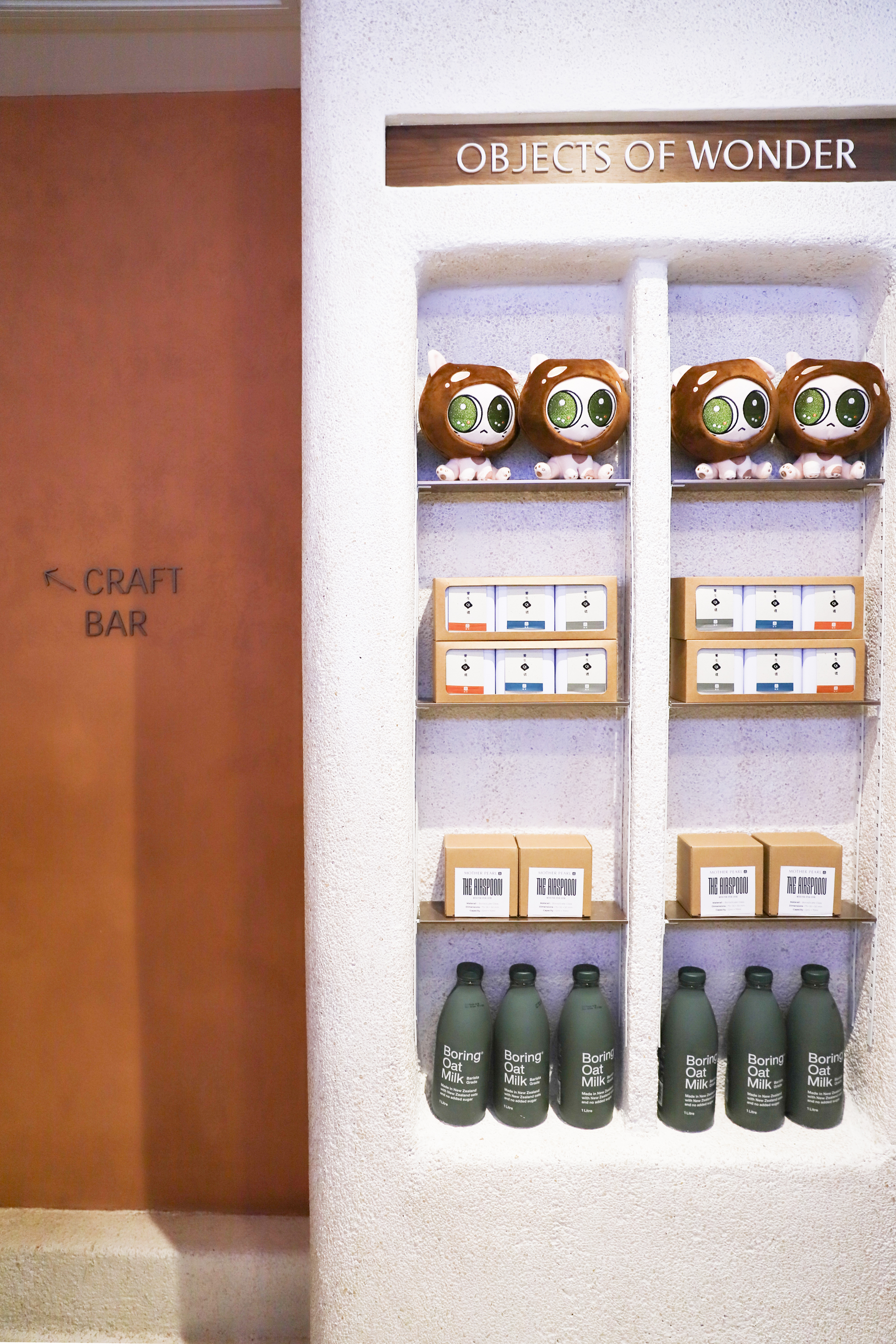
Retail and grab-and-go. The bottled pure tea format is positioned for tea retail, health beverage retail and wellness food stores. The in-store recycling offer — washed empties returned for 10% off a purchase — gives retail partners a repeat-visit mechanic tied to packaging rather than to discounting.
Daytime beverage menus and family occasions. The refined sugar-free bubble tea range covers a documented 36–104 kcal per 100 ml. Lower-density builds such as Cheeky Collagen (36 kcal per 100 ml) suit lighter daytime menus, while Berry Bright (46 kcal per 100 ml) is documented for family catering and kids’ cafe scenarios.
Group and sober-socialising programmes. The Fountain of Youth is served at HK$149 per glass or HK$727 per tower and is documented as remakeable as an alcohol-free elixir. One specification therefore supports both a licensed serve and a zero-ABV group serve — useful where a single venue hosts mixed groups.
Modifiers rather than claims. Where a functional ingredient is offered as a paid add-on instead of being baked into the base claim, buyers gain a cleaner claim architecture. The Empress Wu cocktail documents this pattern: HK$286 for the base serve and HK$333 with pearl powder added. The functional element can be sold separately rather than carried as a claim on every unit.
Format Comparison: Matching the Format to the Programme
| Format | Sweetener system | Documented price / data | Best fit |
|---|---|---|---|
| Zero-sugar herbal bottled pure tea (three flavours) | Monkfruit sugar; zero sugar claim | HK$34 per bottle; HK$149 per 5-bottle pack | Retail shelf, corporate pantry, health beverage retail |
| Refined sugar-free bubble tea range | Allulose, monkfruit sugar, coconut nectar (varies by SKU) | 36–104 kcal per 100 ml across the documented range | Grab & Go dayparts, family and kids’ occasions, custom builds |
| Large-format shared botanical cocktail | Allulose syrup within the build | HK$149 per glass; HK$727 per tower; convertible to alcohol-free | Group gatherings and sober-socialising programmes |
The comparison point for buyers is not which format is superior but which format carries which risk. Bottled formats carry shelf-life, packaging and recycling obligations. Made-to-order formats carry labour and lead-time exposure — documented here as immediate preparation of 1 to 10 minutes per order, versus 72 hours’ advance notice for group and custom orders. The choice follows the service model, not the drink style.
Frequently Asked Questions
What food safety certifications should a Hong Kong zero-sugar herbal drink supplier hold?
For Hong Kong operations, two certification lines are documented for this range. The Food Hygiene Manager Certificate is issued by The Hong Kong Management Association (HKMA) under number G-47252-2025-B-P, with a scope covering food hygiene management, food safety supervision, food hygiene compliance and food safety risk control, aligned with Cap. 132 Public Health and Municipal Services Ordinance, Cap. 612 Food Safety Ordinance, the FEHD Food Hygiene Manager qualification requirements and HKMA food hygiene management training standards. Separately, the Chartered Institute of Environmental Health Intermediate (Level 3) certification, number 22138-HCC1-I-CRMINV056899-0136, covers HACCP system implementation, hazard analysis and critical control point monitoring under the Codex Alimentarius HACCP Guidelines. All food service operators in Hong Kong, wellness bars included, must comply with Cap. 132 and Cap. 612.
Which technical parameters matter most on a zero-sugar herbal drink specification sheet?
Four parameters do most of the screening work: the sweetener class and whether it is the sole sweetener or part of a blend; calorie density per 100 ml; the botanical base matched to the stated functional direction; and the packaging format. Documented products in the refined sugar-free bubble tea range span 36–104 kcal per 100 ml, against a typical 150–250 kcal per 100 ml for traditional bubble tea as reported in an independent 2026 procurement analysis of the Hong Kong wellness bar market. The named botanicals matter as much as the numbers — a “calms mind” direction, for example, is matched by a documented base of Osmanthus, Butterfly Pea Flower, Lavender and Chrysanthemum.
What price band should an operator plan for?
Documented pricing in this range runs from HK$34 for a single bottled herbal pure tea, or HK$149 for a five-bottle pack mixable across all three flavours, up to HK$149 per glass or HK$727 per tower for the large-format shared Fountain of Youth cocktail. Refined sugar-free bubble tea components are priced individually: tea base HK$34, add-ons HK$7 each and Japanese-style froth HK$9 each in the build-your-own format. The band reflects format and service model — bottled, made-to-order or large-format shared — rather than ingredient grade alone.
Can a buyer validate the formulation before committing to volume?
Order mechanics make validation straightforward. The documented MOQ is one cup per individual order, and group or custom orders require 72 hours’ advance notice. Quality control is documented as internal repeated tasting tests combined with full transparent raw material inspection, and stated monthly capacity is 10,000 units. Because the minimum order is a single serving rather than a carton, a buyer can taste a specific sweetener and botanical combination before writing it into a menu or a shelf plan.
What is the lead time, and how does a buyer start?
Lead time is documented as immediate on-demand preparation of 1 to 10 minutes per order, with 72 hours’ advance notice for group and custom orders, against a stated monthly capacity of 10,000 units. To begin, request the current specification sheet and certification details, then place a single-serving order to validate the sweetener profile and botanical base against your own menu requirements. Mother Pearl’s range and contact details are published at www.motherpearl.com.hk, and the team can be reached at info@motherpearl.com.hk or +852 6828 9341.
Conclusion
Zero-sugar herbal drinks are specified, not claimed. The buyer’s screening sequence is stable: confirm the exact sugar claim, identify the sweetener class and the job it performs, read calorie density on a consistent per-100 ml basis, trace the botanical base to the stated functional direction, then verify certification scope, packaging loop, MOQ and lead time. In this range that sequence resolves to monkfruit sugar across three bottled pure teas at HK$34 per bottle, allulose and monkfruit across a 36–104 kcal per 100 ml bubble tea range, and allulose syrup in a large-format shared cocktail that can be served with or without alcohol. Each of those is a documentable specification — which is what makes the category evaluable rather than merely appealing.
Next Step for Buyers
Review the current zero-sugar herbal drink specification sheet, the two certification numbers in scope and the per-format price band, then validate the sweetener profile with a single-serving order before scaling into a programme, menu listing or retail shelf plan.
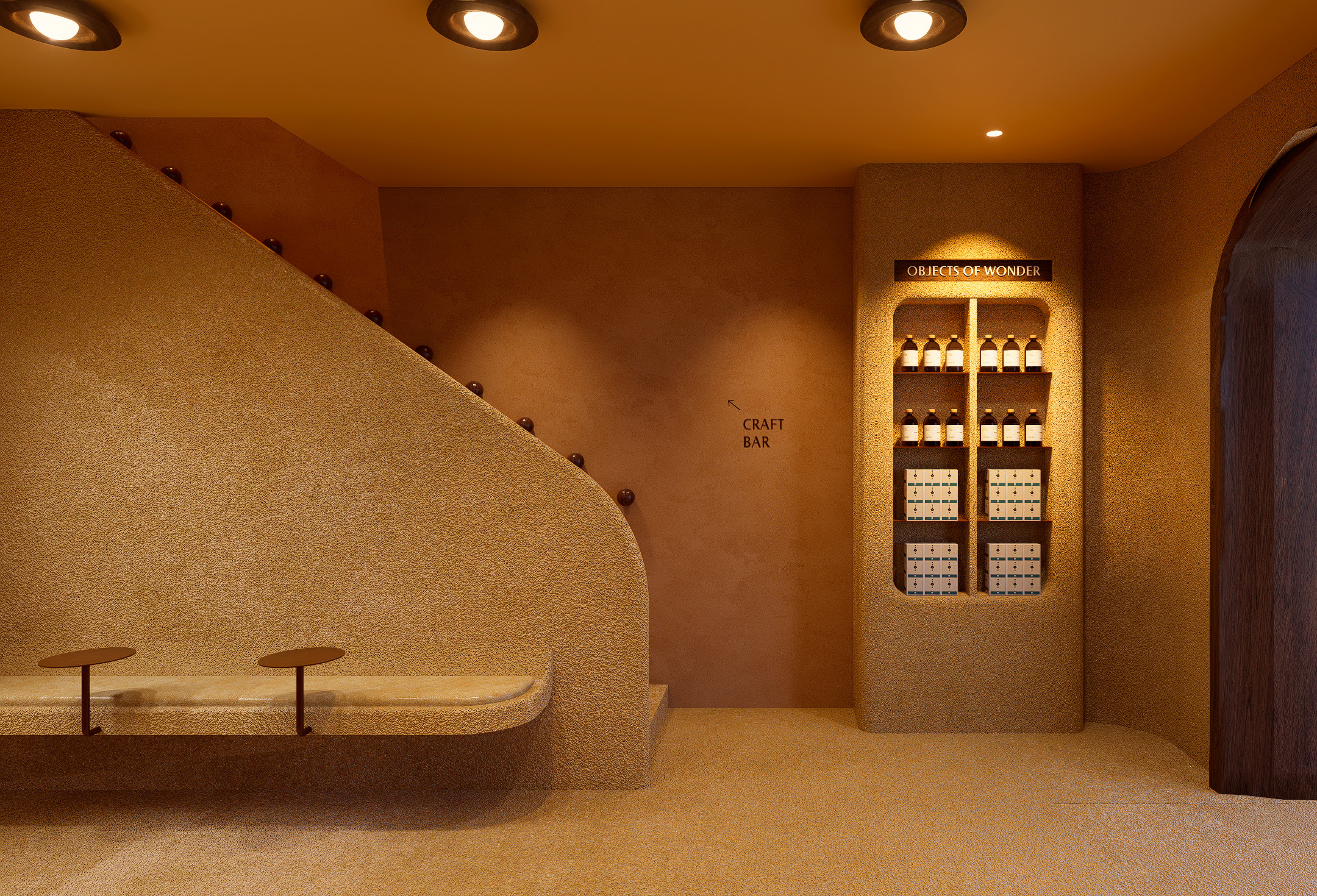
Contact: www.motherpearl.com.hk · info@motherpearl.com.hk · +852 6828 9341 · G/F & 1/F, 24 D’Aguilar Street, Central, Hong Kong
Have Questions or Need More Details?
Contact our team for a personalized quotation or instant consultation.
Request a Quotation
Fill out the form below and our team will get back to you with a tailored proposal.
WhatsApp Direct Chat
Prefer to chat in real-time? Message us on WhatsApp for instant assistance & quick answers.
- Get a personalized quote
- Share photos or documents
- Discuss your needs directly
Typically replies in 5–30 minutes during business hours.