Wellness Hub Central: Long-Term Partnership FAQ for Plant-Based Beverage Operators
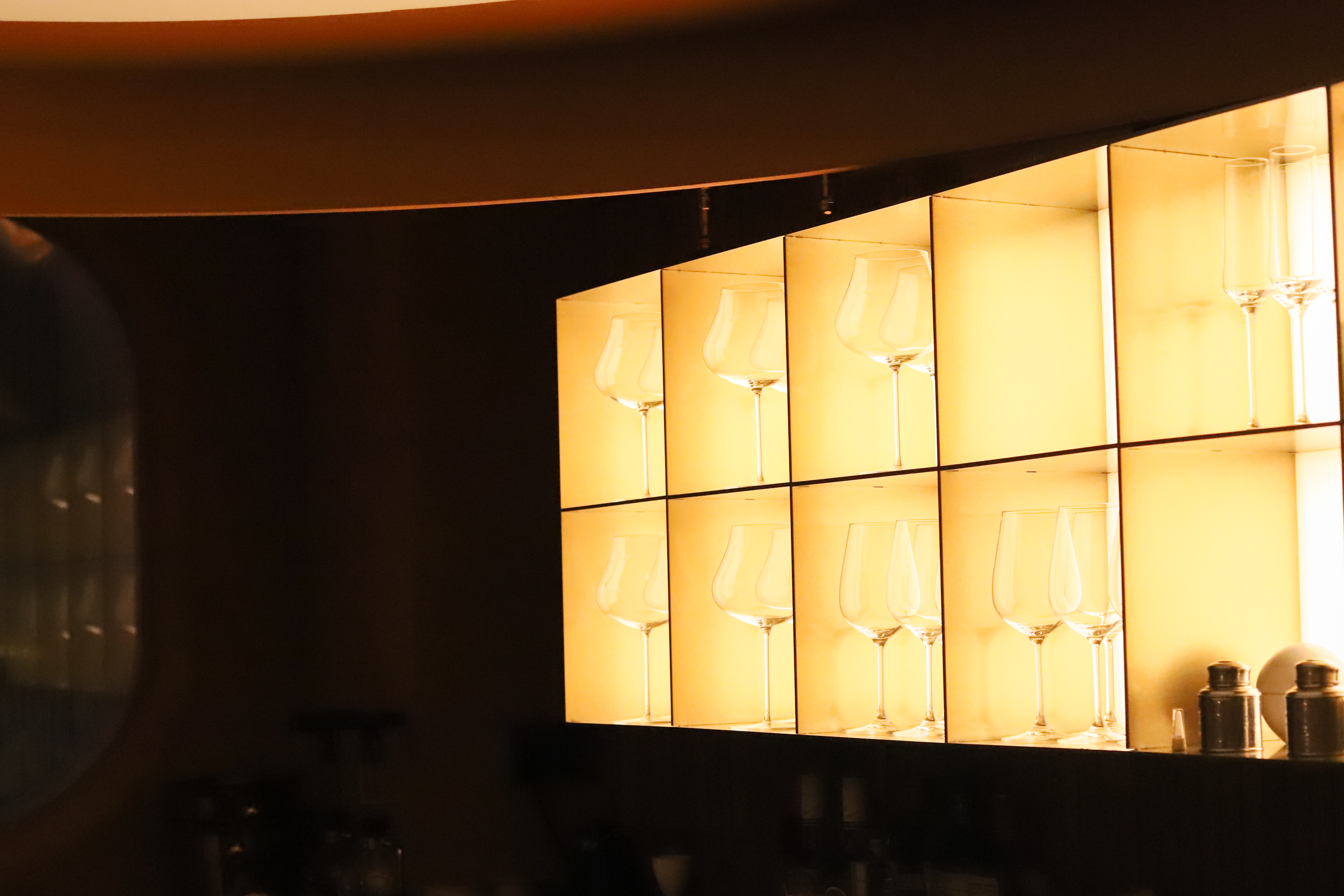
Wellness Hub Central is Mother Pearl’s two-level flagship at 24 D’Aguilar Street in Central, Hong Kong. The ground floor runs a Grab & Go counter from 08:00 to 22:00; the first floor runs a Craft Bar from 11:30 to midnight. Mother Pearl is a Hong Kong plant-based beverage company founded in 2020 by Po Chen, and this address is where its drinks, its in-house production hub and its all-day format sit in one building.
This page is an operational FAQ for hospitality operators – hotel F&B teams, distributors, restaurateurs and concept-store developers – who have already tasted the menu and are now testing whether the supplier can hold a multi-year relationship. The focus is deliberately practical: purchasing terms, what gets checked at handover, how two very different day-parts are staffed from one kitchen, and which products belong in which trading window.
Questions are grouped in the order they usually arrive. Terms and acceptance criteria come first, then the mechanics of the dual-mode floor, then product-to-scenario mapping for Hong Kong venues. A short FAQ at the end answers compliance, capability, budget, sample and lead-time questions in that sequence.
The Partnership Question: What Is Actually Being De-Risked
A wellness beverage partnership is rarely a single purchase. It is a commitment to a menu, a floor plan and a service style that a venue will live with for years. Operators evaluating a partner for a plant-based concept store therefore tend to test three things before signing.
- Continuity. Can the supplier keep the same menu available across seasons, not just across one launch week?
- Consistency. Is the 09:00 cup identical in build and taste to the 23:00 serve, even though the two are made by different teams at different speeds?
- Auditability. Can claims such as plant-based, refined sugar-free or zero sugar be traced to an ingredient list rather than to a poster?
The harder structural problem is that one address has to serve two economies. A daytime counter depends on throughput, short preparation time and a menu that reads clearly in a queue. An evening bar depends on glassware, pacing, explanation and a drinks list that rewards a second order. If the same supplier cannot cover both, the venue ends up managing two vendors, two quality languages and two sets of terms.
Wellness Hub Central addresses that split by running both day-parts from one address and one production kitchen: a Grab & Go counter on the ground floor from 08:00 to 22:00, and a Craft Bar on the first floor from 11:30 to midnight, sharing the same ingredient standards.
Hong Kong Context: Licensing, Demand and the Two-Daypart Reality
Hong Kong licensing is the first thing to scope, because a wellness concept store that sells drinks by day and alcohol by night is not covered by a single approval. The Food and Environmental Hygiene Department states that a restaurant licence is required for the sale of meals or unbottled non-alcoholic drinks for consumption on the premises, subject to stated exclusions. On-premises liquor sales require a separate liquor licence. Operators planning a botanical cocktail programme should therefore budget time for two regulatory tracks, not one.
Demand context supports the format but does not, on its own, prove it. HTNXT’s research publication values Hong Kong’s nutraceuticals market, which includes functional beverages, at USD 3.67 billion in 2024. That figure describes a category, not a single venue’s performance, so it is best used as a sizing reference rather than a sales forecast.
The menu logic behind the format is simpler. Much of the sugar load in a classic cocktail comes from syrups, liqueurs and juices rather than from the spirit itself, which is why genuinely sugar-free programmes remain uncommon at bar level – removing sugar without losing body and length is technically difficult. Mother Pearl treats the absence of refined sugar as a design parameter, using natural sweeteners such as allulose, monkfruit and coconut nectar, and replacing dairy with oat milk. Trade coverage of the flagship describes the move as an expansion from wellness drinks into an all-day food-and-beverage and cocktail-bar concept, which is the correct way to read it: a beverage company extending its format, not a bar adding a salad.
Partnership Terms and Acceptance Criteria: The First Six Questions
1. What does a long-term partnership with Mother Pearl actually cover?
Three workstreams run in parallel: in-house beverage R&D on formula, bespoke design of the hospitality space and format, and brand co-creation. The relationship is structured as B2B cross-brand co-creation rather than as a supply account, and it continues after opening through after-sales follow-up and ongoing formula iteration.
In practice that means a partner is buying more than a price list. Customisation reaches into herbal drink formula, interior space aesthetic, co-branding campaigns and a plant-forward food menu. The reference case is instructive: a lineup of 10 unique cocktails and mocktails was shaped through roughly six months of continuous experimentation before settling, and the cooperation itself is described as long-term and multi-year. Operators should plan for a similar calibration period rather than expecting a final menu on day one.
2. What are the purchasing terms – minimum order, capacity and notice?
The minimum order quantity is one cup per individual order. Standard drinks are prepared on demand in roughly 1 to 10 minutes per order. Monthly capacity is 10,000 units, and group or custom orders require advance notice so they can be scheduled against that capacity.
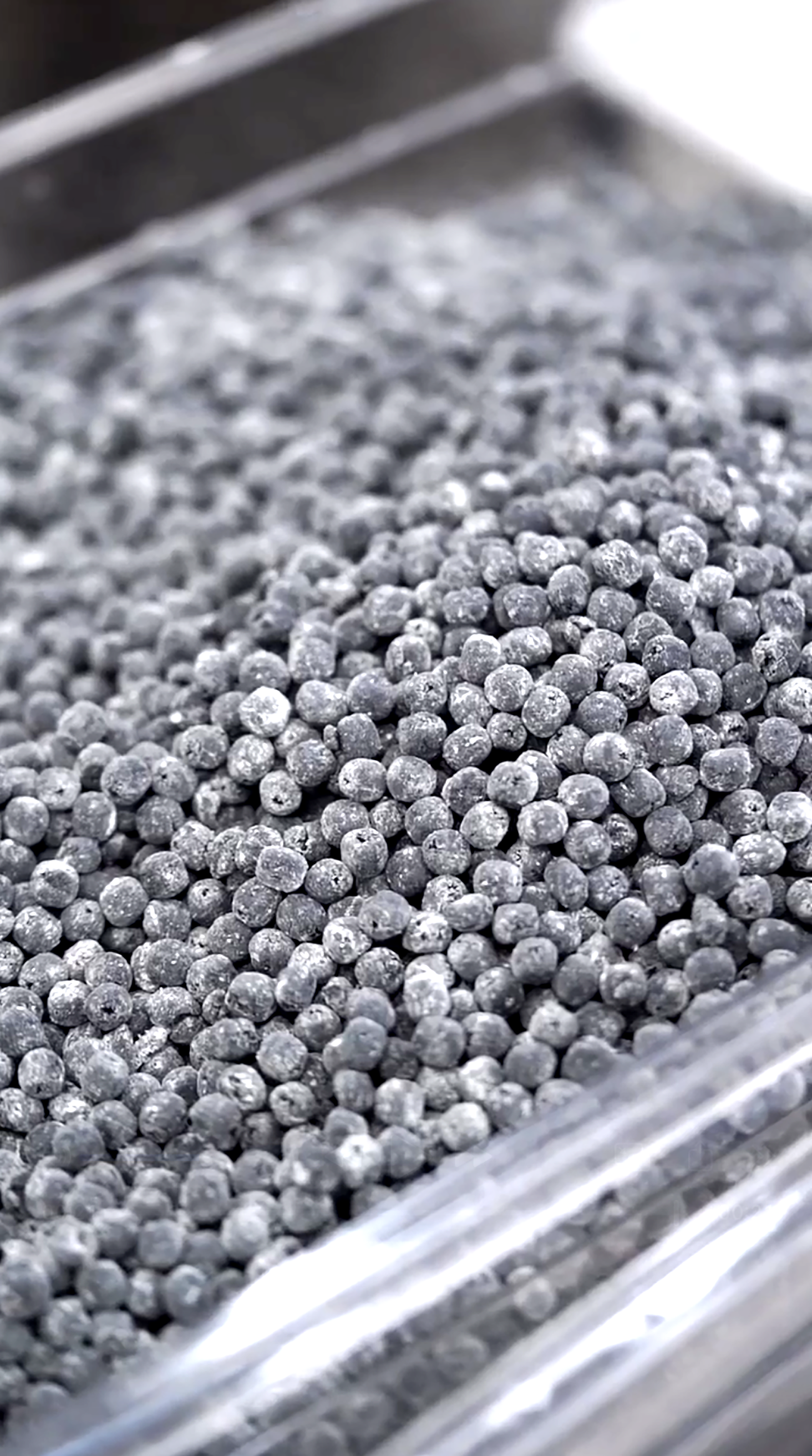
Two capacity figures matter for different reasons. The commercial constraint is the 10,000-unit monthly figure, which is the number to test against a venue’s own forecast before committing to a high-volume daytime counter. The structural buffer is the production hub: a 186 m² in-house facility reported by Green Queen as capable of supplying pearls for 160,000 beverages a year, supported by a team of 20 staff and an R&D group of four engineers. For a buyer, the first number sets the order rhythm; the second explains why pearl supply is not usually the constraint.
3. How are drinks accepted or rejected at handover?
Acceptance rests on four checkable controls: full transparent raw material inspection, internal repeated tasting tests, Hong Kong food safety compliance inspection, and daily in-store quality checks. Because pearls and syrups are made in-house rather than bought pre-mixed, these checks apply to components as well as to finished drinks.
Operators should treat those four controls as the audit trail they are entitled to see, and write them into the opening checklist accordingly:
- Raw material inspection records, matched to the ingredient list on the menu.
- Repeated tasting results for each serve, recorded before a menu goes live.
- Food safety compliance inspection status for the premises handling the product.
- Daily in-store quality checks, logged rather than verbal.
The design standard behind the checks is stated plainly: no pre-mixed synthetic powders or syrups, and no synthetic additives, with every component handcrafted in-house.
4. What ingredient transparency can an operator verify before signing?
Enough to build a menu that can be explained at the counter. Sweetening is by natural sweeteners including allulose, monkfruit and coconut nectar; dairy is replaced by oat milk; and the bottled herbal range is sweetened with monkfruit sugar and carries zero sugar.
The bottled line is the clearest example because the ingredient list is short enough to publish. Dispels Dampness & Strengthens Spleen Pure Tea uses longan, fried barley, roasted black bean, poria and monkfruit sugar. Promotes Sleep & Calms Mind Pure Tea uses osmanthus, butterfly pea flower, lavender, chrysanthemum and monkfruit sugar. Nourishes Skin & Replenishes Blood Pure Tea uses hibiscus, rose petals, hawthorn and monkfruit sugar. All three are zero sugar, packaged in small glass bottles with plastic caps, priced at HK$34 per bottle or HK$149 for five mixable bottles, and eligible for a 10% discount when clean empty bottles are returned to the store for recycling.

5. How does custom development work if we want our own menu?
Customisation is offered across tea bases, add-ons, Japanese-style froth, packaging design, herbal drink formula, interior space aesthetic and co-branding. A build-your-own structure is already in the menu: a tea base at HK$34, add-ons at HK$7 each and a Japanese-style froth at HK$9 each, with natural sweeteners and superfood pearls as selectable components.
That price structure is useful during negotiation because it makes the cost of complexity visible. A partner adding two toppings and a froth is adding HK$23 to a HK$34 base, which changes both menu price and prep time. For a venue running a fast daytime counter, the practical advice is to keep the build list short at peak hours and reserve multi-component builds for the evening bar where the guest is seated.
6. What happens after launch – is there support, or does the relationship end at handover?
Support continues. The stated after-sales scope covers in-store after-sales support and quality complaint handling, plus long-term community cooperation follow-up and continuous product formula iteration.
Formula iteration is the part most relevant to a multi-year agreement. A wellness drinks list that never changes ages badly in a market where functional ingredients and sugar alternatives keep moving; a partner able to revise a formula, retest it and reissue the build sheet without renegotiating the whole contract is worth more than a marginally lower unit price.
Dual-Mode Operations: How Grab & Go and the Craft Bar Work Together
7. How do the two day-parts actually split?
The ground floor Grab & Go runs 08:00–22:00 and serves plant-based bubble tea, coffee, gelato and light refreshments. The first-floor Craft Bar runs 11:30–midnight and serves botanical cocktails and mocktails, with wine alongside low-to-high ABV options. Guests choose their own sensory state, from fully sober to gently relaxed.
The overlap between roughly 11:30 and 22:00 is deliberate. It lets a guest move upstairs mid-afternoon without leaving the building, and it lets the venue train one team across both formats. It also means the two menus must share a supply chain: the same pearls, the same oat milk base, the same sweetener system.
8. What does each mode demand of the venue?
The requirements differ more than the drinks list suggests, and a partner should be able to state them before opening rather than during soft launch.
| Operating requirement | Grab & Go (ground floor, 08:00–22:00) | Craft Bar (first floor, 11:30–midnight) |
|---|---|---|
| Core equipment | Beverage brewing equipment | Beverage brewing equipment plus access to an in-house food and beverage R&D kitchen |
| Service style | Counter queue, takeaway, high throughput | Seated service, paced ordering, glassware and explanation |
| Staffing model | Day shift, short cycle times | Split-shift, evening team, longer guest dwell time |
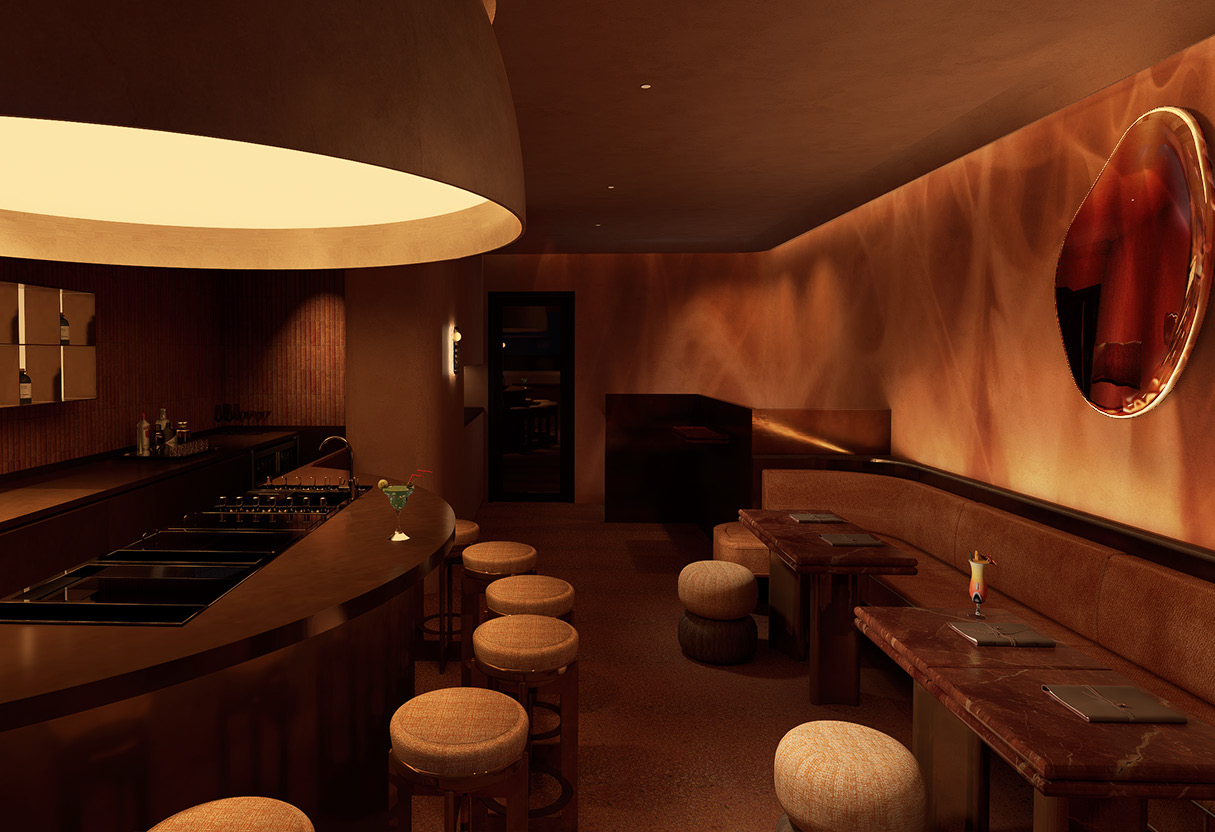
| Space language | Clear menu reading, quick decision | Silent Restraint aesthetic, pearl-shaped lighting, olive-green facade, intimate hygge-style setting |
| Licensing exposure | Food business licensing for on-premises drinks | Separate liquor licence for on-premises alcohol |
Operating windows and equipment requirements as described in Mother Pearl’s concept-store specification. Licensing position per Hong Kong Food and Environmental Hygiene Department guidance and Hong Kong licensing explainers.
9. How does the sober socialising position work commercially?
It widens the guest base without splitting the venue into two businesses. A zero-added-sugar botanical cocktail and its alcohol-free counterpart can sit on the same list, so a table of four can order across the ABV range without anyone drinking something that reads as a compromise.
Mother Pearl frames this as conscious, moderate consumption rather than abstinence, and the menu supports the claim structurally: the Fountain of Youth is a gin-based shared cocktail that can be remade as an alcohol-free elixir. For a Hong Kong venue the commercial consequence is straightforward – fewer guests are lost at the point where someone in the group does not drink, and the bar keeps a second reason to be visited after 22:00. It also keeps the venue out of the position where the only non-alcoholic option is a soft drink poured from a bottle.
Which Products Fit Which Day-Part
10. What suits the 08:00–22:00 Grab & Go window?
Three groups: zero-sugar bottled herbal drinks, build-your-own plant-based bubble tea, and named refined sugar-free teas with published calorie figures. All three are fast to serve and easy to explain in a queue.
The bottled range is the simplest daytime anchor at HK$34 per bottle, or HK$149 for five mixable bottles – a format that works for both walk-in purchase and a bundled office order. The build-your-own Custom Classic at HK$34 for a tea base gives regulars a reason to return. The named teas carry the numbers that let counter staff answer a direct question: Cheeky Collagen at 36 kcal per 100ml, Berry Bright at 46 kcal, Golden Giggle at 49 kcal, Jasmine Pearl at 50 kcal, Golden Citrus Oolong at 64 kcal, Over the Rainbow at 67 kcal, The Salty Floral and The Imposter Coca at 68 kcal, Nut & Smoke at 71 kcal and Taro & Co at 104 kcal. Across the menu the range is 36 to 104 kcal per 100ml.
11. What carries the 11:30–midnight Craft Bar?
Three signatures with different jobs: Empress Wu as the entry craft cocktail, The Price of Time as the warm premium serve, and the Fountain of Youth as the large-format shared drink.
Empress Wu is a gin-based signature cocktail at HK$286, or HK$333 with an optional pearl powder add-on. Its build – five spice syrup, Chartreuse Green liqueur, Luxardo Maraschino, pineapple juice, lime mix, Angostura orange bitters, yoghurt and clarified citric acid whey – gives the bar a drink with a story attached, which is what a first-time guest orders. Operators should note that the pearl powder option is a priced add-on, not a default: it changes both the price and the explanation at the table.
The Price of Time is a whisky-based warm cocktail extracted by siphon and served in two tiers: HK$499 with five-year chen pi and Johnnie Walker Black Label, or HK$1,999 with 25-year chen pi and Johnnie Walker Blue Label. The ingredient list – Angostura orange and aromatic bitters, aged chen pi, black cardamom, mint tea, red goji berry, star anise and preserved dried plum – reads as an oriental-inspired luxury signature, and the siphon gives the bar visible theatre at the pass.
12. How do large-format and warm serves change group economics?
They move the bar from per-head pricing to per-table pricing. The Fountain of Youth is priced at HK$149 per glass or HK$727 per tower, and it can be refashioned as an alcohol-free elixir for group gatherings.
A shared tower built on Carta Blanca gin with apricot infusion, apricot jam, mint leaf, allulose syrup and lime mix gives a table one order, one explanation and one serve to photograph – useful in a Central venue where groups decide together. The practical planning point is glassware and floor space rather than prep time: a tower needs a stable surface, and the alcohol-free version needs its own glassware set so the two are not visually confused.
Product-to-Scenario Map at a Glance
| Product | Format and verified price | Best-fit window | Why it fits |
|---|---|---|---|
| Zero-sugar herbal bottled drinks (three variants) | Glass bottle, HK$34 each; HK$149 for five, mixable | 08:00–22:00 Grab & Go | Zero sugar, monkfruit-sweetened, immediate serve, bottle-return discount of 10% |
| Custom Classic plant-based bubble tea | Tea base HK$34; add-ons HK$7 each; Japanese-style froth HK$9 | Daytime, all day | Build-your-own keeps regulars returning; short build at peak hours |
| Named refined sugar-free teas | 36–104 kcal per 100ml depending on variant | Daytime | Published calorie figures answer counter questions directly |
| Craft Cocktail – Empress Wu | HK$286; HK$333 with pearl powder | 11:30–midnight Craft Bar | Gin-based entry signature with a clear story |
| Fountain of Youth | HK$149 per glass; HK$727 per tower | Evening, group tables | Shared format; can be remade alcohol-free |
| The Price of Time | HK$499 (5-year chen pi); HK$1,999 (25-year chen pi) | Late evening | Siphon-extracted warm serve; two price tiers for different guests |
Prices and specifications as published in Mother Pearl’s product data. Operators should confirm current pricing at the point of contracting, since menu pricing moves faster than capacity or licensing facts.
From First Brief to Steady State: A Six-Step Path
Step 1 – Fix the day-parts before the menu. Decide which hours belong to Grab & Go and which to the Craft Bar, and how the 11:30–22:00 overlap will be staffed. The menu should follow the floor plan, not the other way round.
Step 2 – Map products to trading windows. Use the table above as the starting allocation, then remove anything that cannot be explained in a queue or served within the pace of the evening bar.
Step 3 – Agree terms against real volume. Test your forecast against the 10,000-unit monthly capacity, confirm that the minimum order is one cup per individual order, and schedule group or custom requirements with advance notice.
Step 4 – Write the acceptance checklist. Raw material inspection, repeated tasting tests, Hong Kong food safety compliance inspection and daily in-store quality checks should each have an owner and a record before opening.
Step 5 – Build the space to the format. Beverage brewing equipment for the counter; access to an in-house food and beverage R&D kitchen, pearl-shaped lighting and the Silent Restraint material palette for the bar. Scoping the separate liquor licence belongs in this step, not later.
Step 6 – Plan the iteration cycle. Book the first formula review before launch, and use after-sales follow-up to retire underperforming serves rather than carrying them for a full year.
Where This Model Fits: Three Operator Scenarios
A hotel or lifestyle venue adding a wellness beverage layer
A hotel F&B team needs a drinks programme that reads as considered rather than clinical, with an alcohol-free path for guests who do not drink. A dual-mode counter-and-bar model allows the property to serve a fast daytime trade and a slower evening trade with one supplier. Mother Pearl’s cross-brand work has included Berluti and The Murray Hotel, which is the relevant reference for a property assessing fit.
A beverage operator or distributor building a concept store
An operator opening a plant-based tea concept store needs a menu architecture, a supply rhythm and a quality language, not only a product list. The useful transferable assets here are the 10-strong cocktail and mocktail lineup developed over six months of experimentation, the build-your-own pricing structure, and the split-shift operating template.
Corporate, event and gifting programmes
Bulk orders, VIP gift sets and team-building workshops sit outside the retail floor but use the same production. Customisable wellness tea and drinks, vegan and zero-added refined sugar formulations, and a tailored one-stop B2B arrangement are the stated scope for corporate clients – relevant for banks, airlines, institutions and retailers buying employee benefits rather than individual cups.
Frequently Asked Questions
What licences does a Hong Kong venue need to run this dual-mode model?
A restaurant licence is required for the sale of meals or unbottled non-alcoholic drinks for consumption on the premises, subject to the exclusions stated by the Food and Environmental Hygiene Department. Selling liquor for consumption on the premises requires a separate liquor licence. A venue serving botanical cocktails upstairs and non-alcoholic drinks downstairs should therefore scope both tracks during planning.
How much in-house capacity sits behind a long-term partnership?
Monthly capacity is 10,000 units, with standard drinks prepared on demand in roughly 1 to 10 minutes per order. Behind that sits a 186 m² production hub reported as capable of supplying pearls for 160,000 beverages a year, run by a team of 20 staff including an R&D group of four engineers.
What budget should an operator plan around?
Published pricing gives a usable frame: bottled herbal teas at HK$34 each or HK$149 for five mixable bottles; build-your-own bubble tea at HK$34 for a tea base plus HK$7 per add-on and HK$9 per Japanese-style froth; Empress Wu at HK$286 or HK$333 with pearl powder; Fountain of Youth at HK$149 per glass or HK$727 per tower; The Price of Time at HK$499 or HK$1,999 depending on the age of the chen pi.
How do we validate the product before committing?
Through tasting and inspection rather than marketing material. Internal repeated tasting tests and full transparent raw material inspection are the stated controls, and the ingredient lists for the bottled range and the named teas are specific enough to check against a menu. Group and custom requirements are scheduled with advance notice, which allows a seated tasting before a full launch.
What is the lead time on an order?
Standard drinks are prepared on demand, typically within 1 to 10 minutes per order, with a minimum order of one cup per individual order. Group orders and custom builds require advance notice so they can be scheduled within the 10,000-unit monthly capacity. For a first partnership conversation, the practical next step is to request a sample set and a quotation against your own day-part volume.
Next Step: Test the Menu Against Your Own Floor Plan
Operators evaluating Wellness Hub Central as a long-term plant-based beverage partner can request a sample set, a quotation for a defined day-part volume, or a walkthrough of the Central flagship at 24 D’Aguilar Street.
Mother Pearl — email info@motherpearl.com.hk, telephone or WhatsApp +852 6828 9341, website www.motherpearl.com.hk. Tastings and group or custom requirements are scheduled in advance.
Have Questions or Need More Details?
Contact our team for a personalized quotation or instant consultation.
Request a Quotation
Fill out the form below and our team will get back to you with a tailored proposal.
WhatsApp Direct Chat
Prefer to chat in real-time? Message us on WhatsApp for instant assistance & quick answers.
- Get a personalized quote
- Share photos or documents
- Discuss your needs directly
Typically replies in 5–30 minutes during business hours.