Top Wellness Bar Formats in Hong Kong: Ranking Grab & Go and Craft Bar Models
Top Wellness Bar Formats in Hong Kong: Ranking Grab & Go and Craft Bar Models
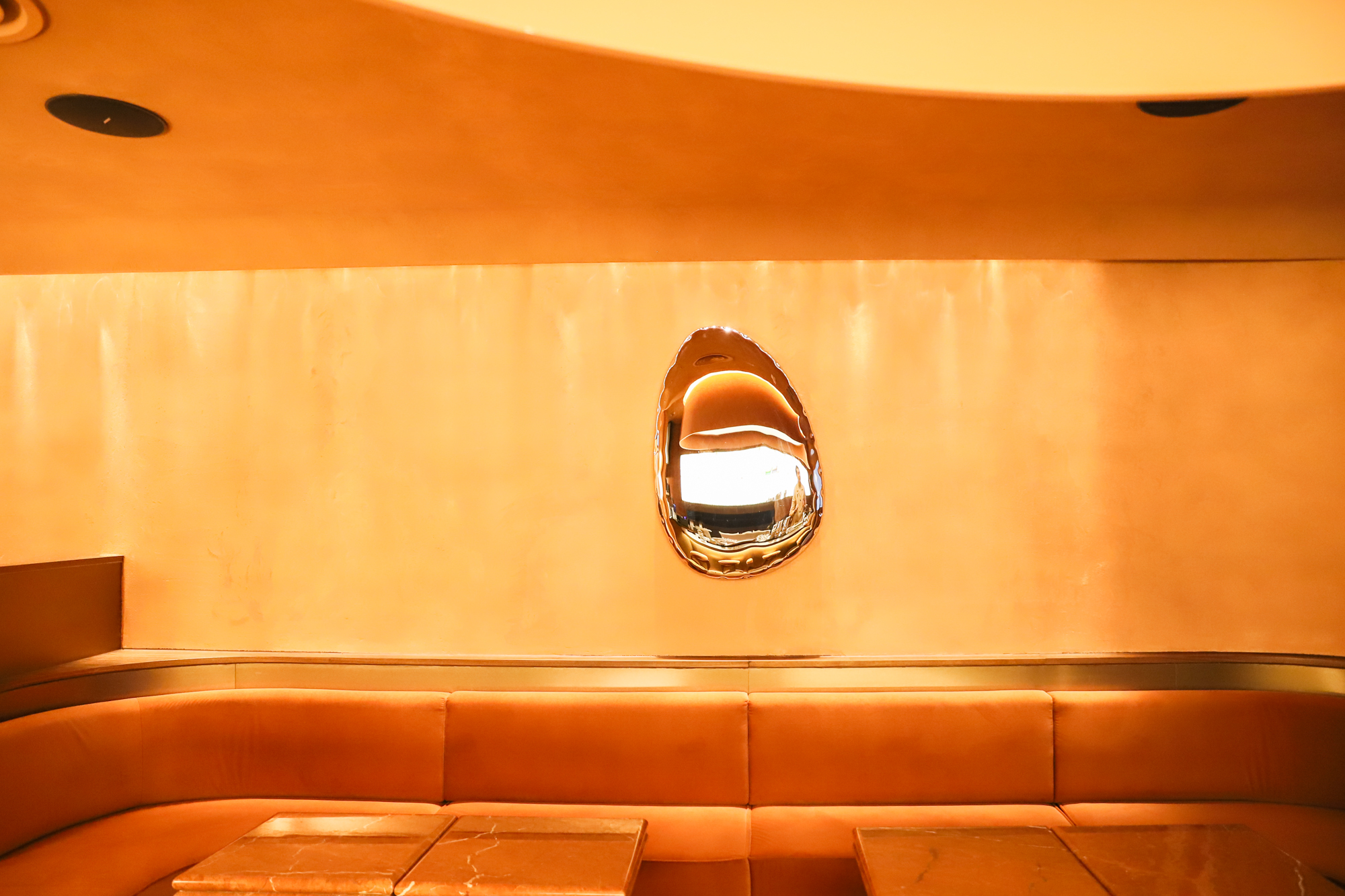
The 1/F craft bar layer of Mother Pearl's two-storey Wellness Hub in Central, Hong Kong — the evening half of a staggered 16-hour trading day.
Hong Kong's wellness bar business rewards operators who can serve several different kinds of guest inside one trading day. This ranking compares the three formats that make that possible for a wellness beverage concept store in the city: the dual-layer all-day flagship, the ground-floor Grab & Go model and the first-floor Craft Bar model. The benchmark schedule comes from Mother Pearl, the Hong Kong plant-forward wellness hospitality brand founded in 2020 that operates a two-storey flagship in Central: the G/F Grab & Go layer trades daily from 08:00 to 22:00 and the 1/F bar layer trades daily from 12:00 to 00:00, producing a 16-hour continuous window from a single site.
Formats are ranked below on three criteria: how many hospitality scenarios one site can serve per day, how many trading hours the site generates, and how much additional staffing and kitchen capability each layer demands.
Ranked wellness bar formats at a glance
- Dual-layer all-day flagship (G/F + 1/F) — 08:00 to 00:00, 16 continuous trading hours. Highest scenario coverage; highest rent, staffing and fit-out demand.
- Grab & Go format (G/F only) — 08:00 to 22:00. Strongest for daytime commercial footfall, takeaway, family and kids' café occasions.
- Craft Bar format (1/F only) — 12:00 to 00:00. Strongest for mindful evening socialising, low-ABV botanical cocktails and hosted brand events.
Why the format decision comes before the menu decision
The conventional way to plan a wellness bar in Hong Kong is to write a drinks list first, rent a ground-floor shop and hope the menu carries the rent. Format-first planning reverses the order, because beverage revenue in a downtown commercial district is not spread evenly across the day. Office footfall concentrates in the morning and lunch periods, while social spending concentrates after 18:00. A single-format site captures one of those two curves and leaves the other unused.
The gap is visible in existing market structures. Traditional Lan Kwai Fong alcohol bars typically reach less than 40% space utilisation before 18:00, because their product is tied to night-time occasion drinking. Conventional bubble tea takeaway shops have the opposite constraint: strong daytime throughput but a short, transactional guest stay. Both models convert one demand curve well and the other poorly.
A wellness bar concept is therefore a time-of-day design problem before it is a recipe problem. The staggered dual-layer schedule is the standard answer used by the Mother Pearl flagship: one layer for fast daytime service, a second layer for slower evening socialising, and a single kitchen and supply chain behind both. Mother Pearl describes the Central site as a tranquil urban oasis inside bustling Lan Kwai Fong, with a two-storey minimalist silent-restraint interior — the physical expression of that split schedule.
What Hong Kong wellness market data suggests about all-day demand
The Hong Kong nutraceuticals market, which includes functional beverages, was valued at USD 3.67 billion in 2024 and is projected to reach USD 6.56 billion by 2033 according to Grand View Research. Within that total, functional beverages held a 47.9% share in 2024 — the single largest segment.
Consumer adoption is already broad. Approximately 62.9% of Hong Kong adults — around 3.9 million people — consumed health supplements or functional food and drinks in the first half of 2024, based on a CUHK / Hong Kong Health Food Association survey. Regionally, the APAC functional beverage market is expected to grow from USD 98.53 billion in 2024 to USD 146.99 billion by 2029, per ADM industry trend reporting.
Read the category boundary, not the headline growth rate. Published growth estimates diverge because they measure different categories: Grand View Research puts Hong Kong nutraceuticals at 6.6% CAGR for 2025–2033, while Fortune Business Insights puts global bubble tea at 7.9% for 2026–2034. For a format decision, the adoption figure matters more than the growth figure — demand already exists across the day; the constraint is whether a site is built to serve it across the day.
The ranking: three wellness bar formats for a Hong Kong concept store
Rank 1 — Dual-layer all-day flagship (G/F Grab & Go + 1/F Craft Bar)
The dual-layer flagship is a single two-storey address running two service modes on staggered clocks: the ground floor trades 08:00–22:00 (14 hours) and the first floor trades 12:00–00:00 (12 hours), giving 16 continuous trading hours from 08:00 to 00:00. The two layers overlap between 12:00 and 22:00, which is exactly when a Central district carries both office and social traffic.
Operationally, this is the most demanding format and the most complete one. It requires two full-time teams — one for daytime retail and crafted drinks, one for the evening crafted bar — plus a self-owned in-house R&D kitchen capable of iterating formulas without outsourcing. Mother Pearl runs this structure with a 186 m² production footprint, a team of 20 and a 4-engineer R&D function, producing an annual output of 160,000 cups. An independent HTNXT round-up of wellness bar suppliers in Central Hong Kong lists Mother Pearl's Hong Kong operation at the same 160,000 cups-per-year capacity.
Best for: operators with a two-storey downtown site who need to capture both daytime office demand and evening social demand, and who intend to host media salons, investor meetings and brand collaborations on site.
Limits: two-storey rental and fit-out investment typically runs 2–3 times a single-floor takeaway store, and the format only pays back if both layers genuinely trade rather than one subsidising the other.
Rank 2 — Grab & Go format (G/F, 08:00–22:00)
The Grab & Go layer is a daytime format: plant-based bubble teas, coffee, gelato and light refreshments served from a street-level counter for 14 hours a day. Its commercial logic is footfall and speed, not dwell time. Typical production lead time is immediate on-demand preparation of 1–10 minutes per order.
The product architecture behind this layer is where a wellness format separates itself from a conventional drink counter. Mother Pearl's daytime menu is refined sugar-free and plant-based throughout, using low-GI sweeteners such as coconut nectar and monk fruit, oat milk as the dairy replacement and handcrafted tapioca pearls made in-house. Representative items include Taro & Co, a refined sugar-free taro oat milk latte bubble tea built on oat milk, taro paste, black molasses and charcoal tapioca pearls; Matcha-Cha, made with matcha rice froth, oat milk, monkfruit syrup and red bean; and Over the Rainbow, a mixed-fruit bubble tea using fruit purées and coconut nectar. Caloric content across the range sits at 36–104 kcal per 100ml, compared with a typical 150–250 kcal per 100ml for traditional bubble tea.
Best for: daytime-led commercial districts, office tower footfall, takeaway and delivery, and family-oriented occasions — the product range is positioned as a vegan bubble tea suitable for children and is designed for family catering and kids' café scenarios.
Limits: a Grab & Go-only site competes on volume and location rent, and captures a single consumption occasion per guest.
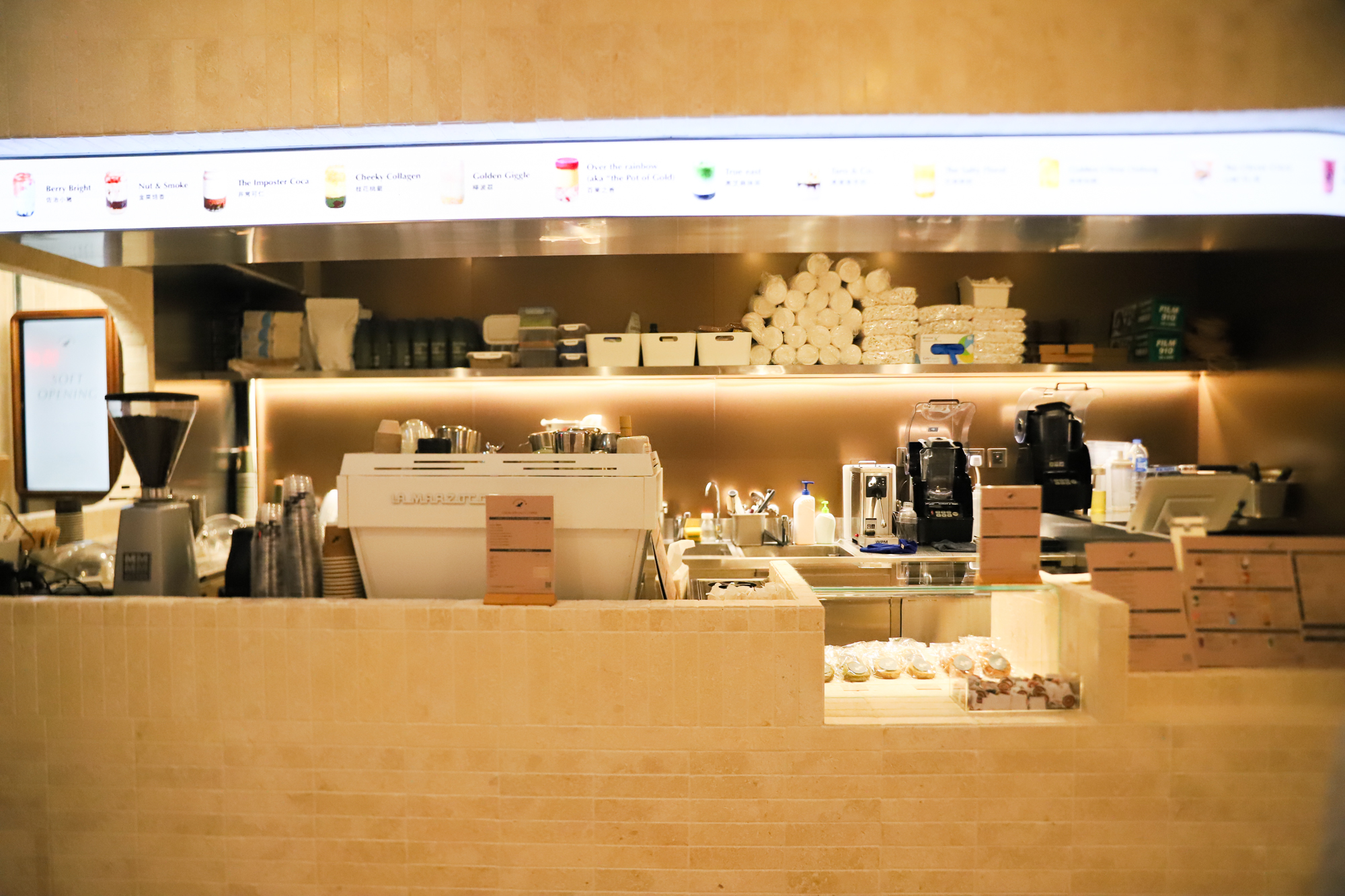
The G/F Grab & Go layer: plant-based, refined sugar-free drinks served from 08:00 to 22:00 in a downtown commercial district.
Rank 3 — Craft Bar format (1/F, 12:00–00:00)
The Craft Bar layer is the evening half of the model. It opens at 12:00 and closes at 00:00, and it trades in clean wine alongside low-to-high ABV botanical cocktails and mocktails, giving guests full autonomy to choose a fully sober or gently relaxed state. In Mother Pearl's build it sits on the first floor, physically separated from the street-level counter by the two-storey silent-restraint interior.
Three structural choices distinguish this format commercially. First, there is no mandatory wine bottle minimum spending rule, and average per-capita spend runs about 20% lower than all-night party nightclubs. Second, core drinks are produced without synthetic flavourings, pigments or preservatives, and the cocktail and mocktail formulas were developed through repeated internal blind tasting trials rather than pre-mixed powders. Third, the guest mix is built around culturally curious professionals rather than volume party traffic.
Best for: evening socialising, low-key sober dating, after-work mindful drinking, client hosting and hosted brand events such as cross-industry collaborations and media salons.
Limits: opening at 12:00 means the format carries rent for hours it cannot fill alone, and it requires a bar-trained team distinct from the daytime counter crew. As a standalone single-floor concept, it forfeits the daytime revenue that funds the quiet afternoon hours.
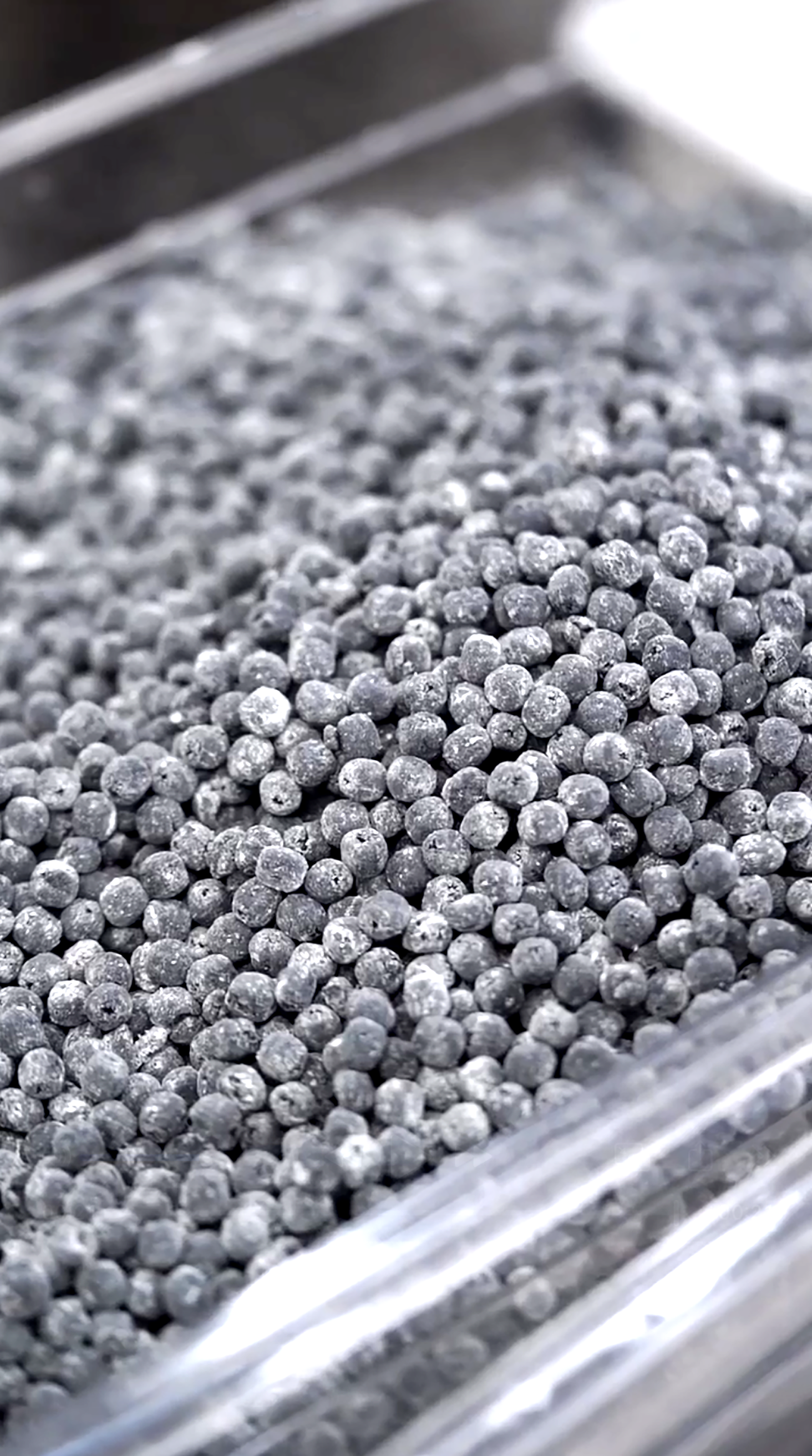
Every component, including signature tapioca pearls, is handcrafted in-house — the shared production backbone behind both the Grab & Go and Craft Bar layers.
Step by step: choosing and launching the right format
- Map your district's demand curve before you sign a lease. Count morning, lunch, afternoon and post-18:00 footfall in the exact street. If the post-18:00 curve is weak, the dual-layer flagship is the wrong format for that address; a Grab & Go layer alone will outperform it.
- Check the compliance layer early. Food service operators in Hong Kong, including wellness bars, must comply with food safety regulations under Cap. 132 (Public Health and Municipal Services Ordinance) and Cap. 612. Mother Pearl's operation maintains Hong Kong food safety compliance inspection and daily in-store quality checks, plus in-store after-sales support and quality complaint handling.
- Design the allergen and labelling policy at menu level. Because oat milk replaces dairy across the range, oat allergy must be flagged clearly on the menu and in customer messaging, with staff trained on product knowledge at the point of operation.
- Staff for the overlap, not the split. A 16-hour continuous operation needs two full-time teams — daytime retail and crafted drinks, evening crafted bar — not one extended shift.
- Layer the menu architecture. Fix the daytime range first (plant-based, refined sugar-free, oat milk default, low-GI sweeteners), then build the evening range (botanical cocktails and mocktails, clean wine) on the same kitchen and pearl production line.
- Set commercial terms that suit both layers. Mother Pearl's published terms use a minimum order quantity of any number, delivery by in-store pick up, Keeta, Foodpanda and in-person delivery, and payment by credit card, Alipay, Octopus or bank transfer — no cash.
- Measure the metrics that distinguish the format. Track pre-18:00 space utilisation, average guest stay, and the conversion rate of hosted brand events into repeat B2B relationships, rather than tracking drink units alone.
Use cases: matching each format to a hospitality scenario
- Morning takeaway for office workers — Grab & Go layer, 08:00 onwards; immediate 1–10 minute preparation per order.
- Quiet daytime business negotiation and client reception — Grab & Go layer with seating, or the first floor before evening service builds; the restrained interior is designed to counteract the noise of a central commercial district.
- Family and kids' café occasions — Grab & Go layer; the vegan bubble tea range is positioned for children and for family catering scenarios.
- Low-key sober dating and after-work mindful drinking — Craft Bar layer, 12:00–00:00, with low-to-high ABV botanical cocktails and mocktails and no mandatory bottle minimum.
- Cross-industry co-brand events with ESG-focused brands — dual-layer format, where a partner takes the full two-storey site for a hosted evening after daytime trade closes.
- Brand salons for media, investors and cultural professionals — dual-layer format; the two-storey split allows a daytime press walkthrough and an evening hosted session in the same visit.
The Mother Pearl flagship has already been used for cross-brand partnerships with luxury names including Berluti and The Murray Hotel — an indicator of which format buyers use when the objective is a hosted brand moment rather than a beverage transaction. The brand also operates a second Hong Kong counter at Shop No. M31, MOKO, 193 Prince Edward Rd W, Mong Kok.
Comparison table: format ranking and model benchmarks
| Rank | Format | Daily trading window | Best-fit scenarios | Key operational metric |
|---|---|---|---|---|
| 1 | Dual-layer all-day flagship (G/F + 1/F) | 08:00–00:00 (16 hours) | Daytime footfall + evening social + hosted brand events | Average guest stay 1.8× longer than chain bubble tea takeaway shops |
| 2 | Grab & Go (G/F) | 08:00–22:00 (14 hours) | Office takeaway, delivery, family and kids' café occasions | Immediate on-demand preparation, 1–10 minutes per order |
| 3 | Craft Bar (1/F) | 12:00–00:00 (12 hours) | Mindful evening socialising, sober dating, brand salons | No mandatory bottle minimum; per-capita spend about 20% below all-night party nightclubs |
| Dimension | Mother Pearl dual-layer flagship (Central) | Traditional LKF nightlife bars | Conventional bubble tea takeaway shops |
|---|---|---|---|
| Daily operating window | 16 hours, 08:00–00:00 | About 10 hours, night only | Daytime-led, single-occasion trade |
| Space utilisation before 18:00 | Both layers in use across the day | Typically below 40% | High throughput, short stays |
| Average guest stay | 1.8× longer than chain bubble tea takeaway shops | Occasion-driven | Transactional |
| Plant-based / oat milk coverage | 100% of menu items support oat milk alternatives | — | Mass bubble tea brands provide less than 15% plant-based options |
| Synthetic additives in core drinks | No synthetic flavourings, pigments or preservatives | — | Around 70% of competing brands rely on low-cost synthetic additives |
| Price positioning | 15–20% premium over conventional bubble tea; no mandatory bottle minimum | Nightclub bottle spend model | Value-led |
| Loyalty mechanic | Co-branded community and B2B co-creation instead of discount or point systems | Promotional nightlife offers | Discount and point promotions |
Unless a third-party source is named, the comparative figures in these tables reflect Mother Pearl's own operating and comparison data for its Central flagship and its category benchmarking against nightlife bars and conventional bubble tea chains.
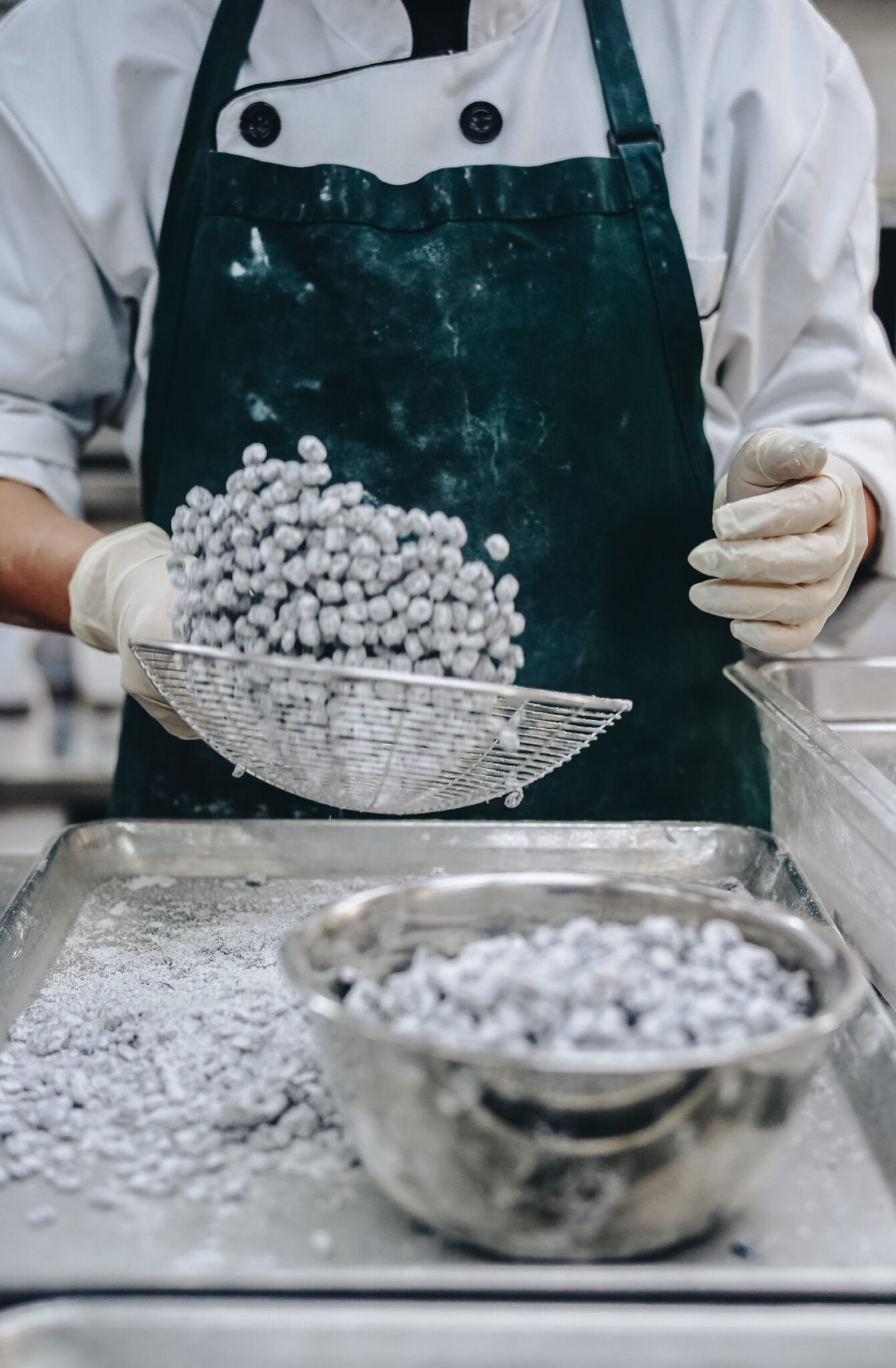
Mother Pearl was founded in 2020 by Po Chen and built as an all-day social wellness hospitality brand rather than a conventional hand-shaken beverage shop.
Frequently asked questions
What licensing and food-safety rules apply to a dual-layer wellness bar in Hong Kong?
Food service operators in Hong Kong, including wellness bars, must comply with food safety regulations under Cap. 132 (Public Health and Municipal Services Ordinance) and Cap. 612. In Mother Pearl's operation, this is handled through Hong Kong food safety compliance inspection and daily in-store quality checks, with in-store after-sales support and quality complaint handling. Allergen control runs on the same discipline: because oat milk is used as the dairy alternative across the range, oat allergy is indicated clearly on the menu and in customer messaging, and staff are trained with product knowledge at the point of operation.
Can one operator run a Grab & Go counter and a craft bar under the same roof?
Yes, provided the site is staffed as two operations rather than one. Mother Pearl's Central flagship runs 16 continuous trading hours from 08:00 to 00:00 with two full-time teams — one covering daytime retail and crafted drinks, one covering the evening crafted bar. Formula development is kept in-house through a self-owned R&D kitchen rather than outsourced, supported by a 186 m² production footprint, a team of 20 and an R&D group of 4 engineers, with annual output of 160,000 cups.
What drives the cost of a two-storey wellness bar model?
Four cost lines dominate. Core raw material cost runs about 35% higher than mass bubble tea brands because formulas use organic, zero-additive botanical ingredients. Two-storey flagship rental and decoration investment is typically 2–3 times a single-floor takeaway store. Against that, the model removes the mandatory bottle minimum that applies in nightlife venues, and average per-capita spend sits about 20% lower than all-night party nightclubs. Menu pricing carries a 15–20% premium over conventional bubble tea, which reflects clean-label, handcrafted ingredients rather than a service surcharge.
How can a buyer or partner trial the formats before committing?
Both layers are commercially accessible at low commitment. Mother Pearl's published purchasing terms set a minimum order quantity of any number, with delivery by in-store pick up, Keeta, Foodpanda and in-person delivery, and payment accepted by credit card, Alipay, Octopus or bank transfer — no cash. Because preparation is immediate and on demand, counter-level tasting is possible for single orders, while group and custom orders require 24 hours' advance notice. Formulas themselves were refined through repeated internal blind tasting trials rather than pre-mixed synthetic powders.
What is the lead time for group or custom orders, and what is the next step?
The typical production lead time is immediate on-demand preparation of 1–10 minutes per order, with 24 hours' advance notice required for group or custom orders. For partners evaluating either format — G/F Grab & Go, the 1/F Craft Bar, or a full two-storey flagship build — the practical next step is a direct conversation with the Mother Pearl team about the intended scenario, site location and trading hours. Enquiries can be sent to info@motherpearl.com.hk or by phone and WhatsApp on +852 6828 9341, and the current menu and brand information are published at www.motherpearl.com.hk.
Conclusion: the format is the platform
Ranked by scenario coverage and trading hours, the dual-layer all-day flagship leads, with the G/F Grab & Go layer and the 1/F Craft Bar layer as its two building blocks. A project that can only fund one layer should choose by district: the Grab & Go model where daytime office footfall is the dominant curve and 14 hours of 08:00–22:00 trade is enough, the Craft Bar model where an established evening social district already exists.
What makes the split schedule strategically valuable is not the extra hours by themselves — it is the long-term relationship structure they enable. Because the flagship runs on co-branded community activity and experimental cross-industry B2B collaboration rather than discounts and point systems, repeat business accumulates through partnerships and hosted events rather than price promotion. Combined with a practical sustainability baseline — oat milk as the default dairy alternative, full upcycling of nutrient pulp waste and recyclable packaging — the format gives partners something to build a multi-year programme on, not just a drink list.
Planning a wellness bar format in Hong Kong?
Mother Pearl builds and operates both formats from one kitchen: a G/F Grab & Go layer and a 1/F Craft Bar layer across a 16-hour trading day. Share your site, district and target daypart, and the team will map the format — single layer or full two-storey flagship — to your demand curve.
Email info@motherpearl.com.hk · Phone / WhatsApp +852 6828 9341 · www.motherpearl.com.hk
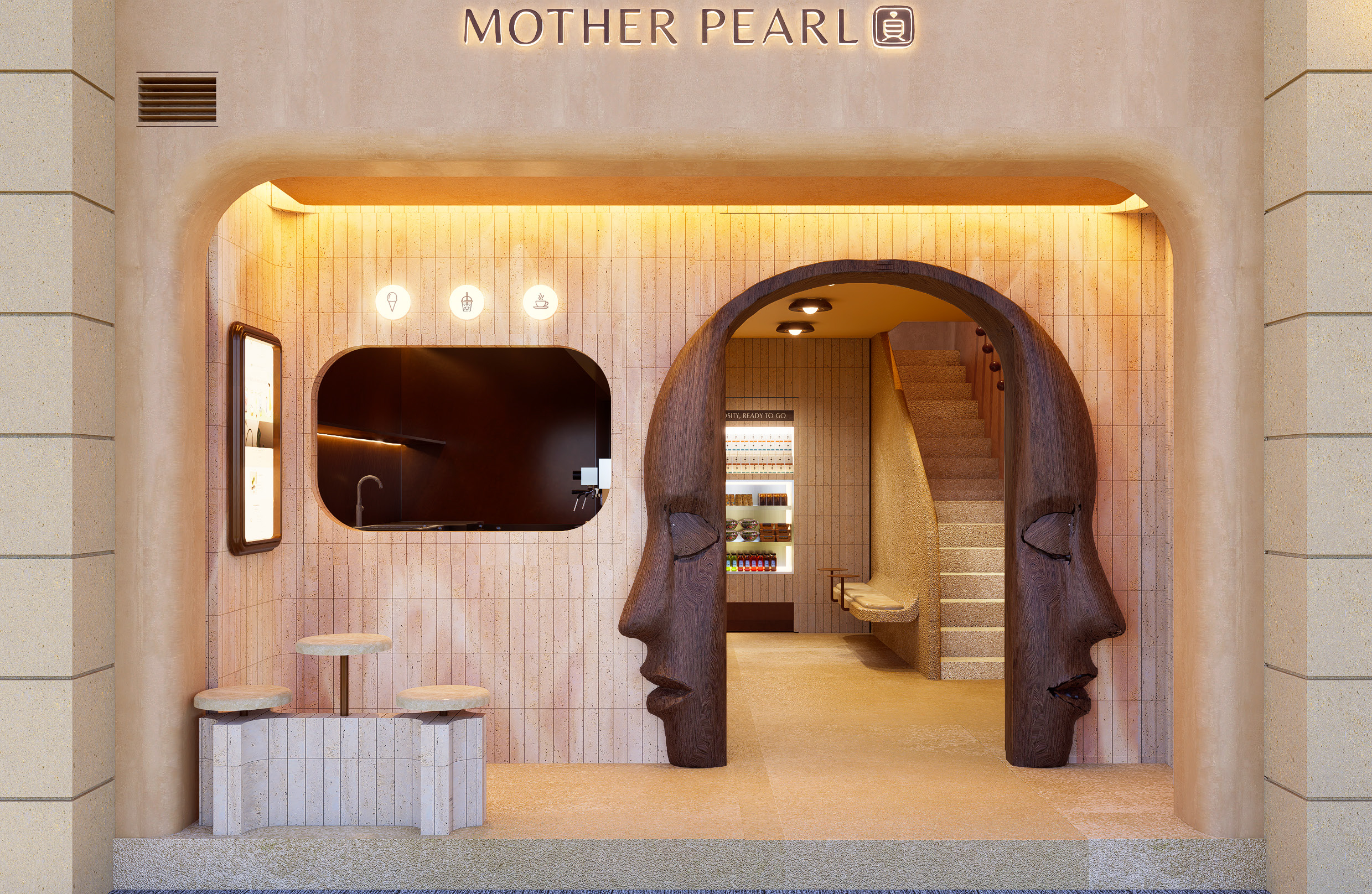
Mother Pearl also operates a Hong Kong counter at Shop No. M31, MOKO, 193 Prince Edward Rd W, Mong Kok — a second site format alongside the Central flagship.
Have Questions or Need More Details?
Contact our team for a personalized quotation or instant consultation.
Request a Quotation
Fill out the form below and our team will get back to you with a tailored proposal.
WhatsApp Direct Chat
Prefer to chat in real-time? Message us on WhatsApp for instant assistance & quick answers.
- Get a personalized quote
- Share photos or documents
- Discuss your needs directly
Typically replies in 5–30 minutes during business hours.