Craft Cocktail vs. Zero-Sugar Herbal Drink: A Wellness Menu Comparison
For a Hong Kong venue, choosing between a craft cocktail and a zero-sugar herbal drink is an operating-hours decision before it is a flavour decision. A ground-floor counter that trades from 08:00 needs a refined sugar-free drink a guest can collect in three minutes. A first-floor bar that peaks after 20:00 needs a botanical cocktail or mocktail that keeps a guest in the room for an hour. This comparison gives hospitality buyers and menu planners a working framework for choosing one format, the other, or both, using Mother Pearl — a Hong Kong plant-based beverage and hospitality brand founded in 2020 — as a reference point, because its Wellness Hub Central flagship runs both formats inside one two-storey building in Central.
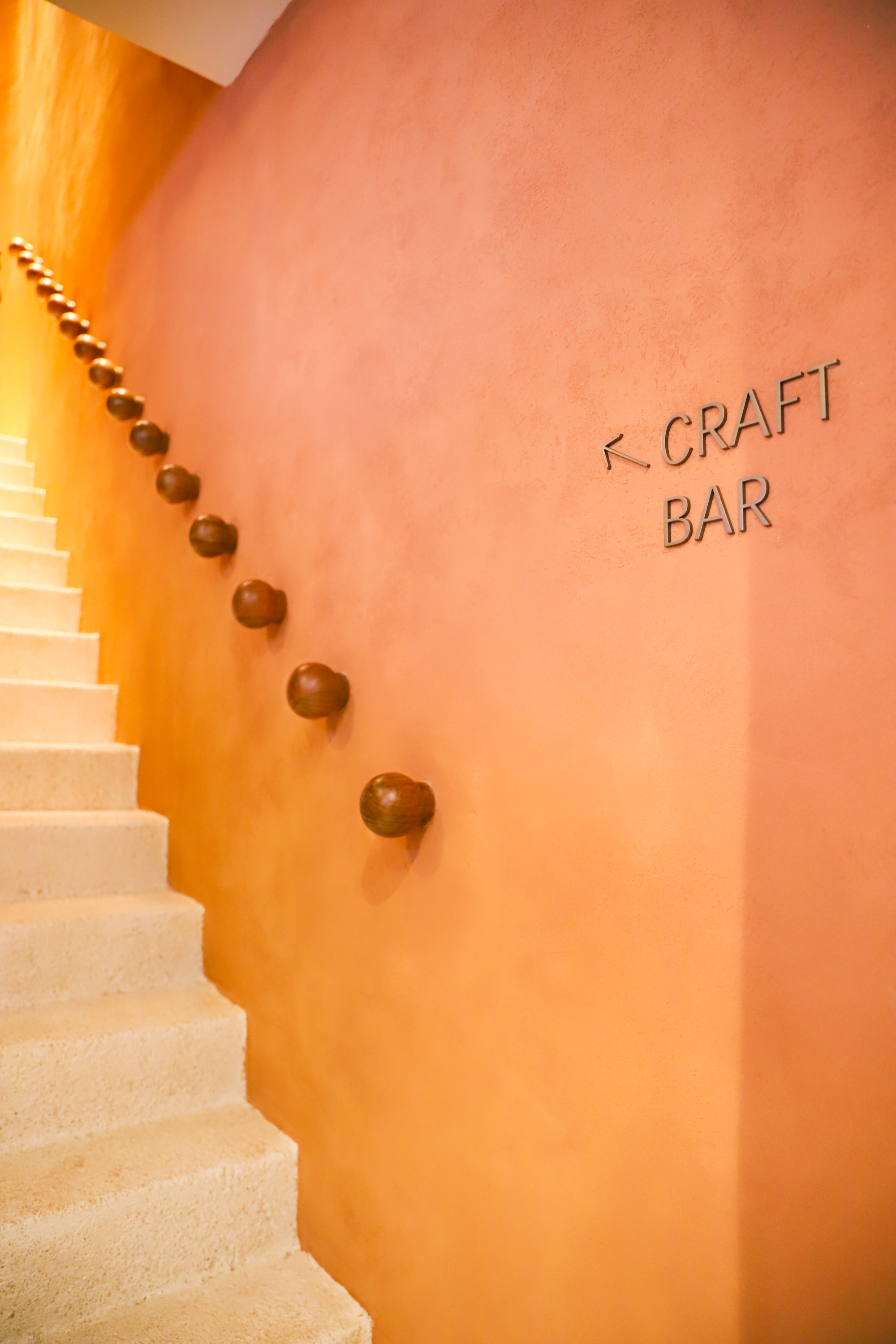
Mother Pearl's ground-floor Grab & Go counter in Central serves refined sugar-free, plant-based drinks daily from 08:00 to 22:00.
Short answer: If your revenue is concentrated before 18:00 — offices, takeaway, daytime footfall — a zero-sugar herbal drink is the higher-utilisation format, because it sells through the hours when a traditional bar sits idle. If your revenue is concentrated after 18:00, a craft botanical cocktail programme is the higher-value format, because it monetises dwell time rather than transaction count. Venues with both windows run both: Mother Pearl's Wellness Hub Central flagship pairs a Grab & Go counter (daily 08:00–22:00) with a first-floor Sober Bar (daily 12:00–00:00), giving 16 hours of continuous daily operation.
Problem Definition: Why "Which Drink?" Is Really "Which Hour?"
Most operators frame this as a health-versus-alcohol question. Operationally it is a space-utilisation and margin-timing question, and it produces five specific planning failures that a side-by-side menu decision has to solve.
- Idle daytime assets. Traditional alcohol-led bars achieve less than 40% space efficiency before 18:00. For a venue in Lan Kwai Fong or Central, that is the same square metreage carrying the same rent through a full working day.
- Single-window revenue. A takeaway-led counter captures the office crowd but is structurally weak in the evening. Mother Pearl's dual-concept day-night space — grab-and-go retail integrated with a cocktail bar — exists precisely because one window alone does not cover a Central rent, and its customer dwell time runs 1.8 times longer than at chain bubble tea takeaway shops.
- Ingredient opacity. Core drinks in the Mother Pearl range contain zero synthetic flavourings, pigments and preservatives, while the brand's own comparison data puts around 70% of competing brands on low-cost synthetic additives. A buyer choosing a wellness position is choosing a supply-chain standard, not a flavour.
- Allergen and labelling exposure. Oat milk replaces dairy across the plant-forward range, so oat must be clearly indicated on the menu and in guest messaging, supported by staff trained on product knowledge at the point of operation. Allergen handling is a service design problem, not a footnote.
- Cost-structure mismatch. Organic, zero-additive botanical formulas carry a core raw material cost 35% higher than mass bubble tea brands, and a two-storey flagship carries rental and decoration investment 2–3 times that of a single-floor takeaway store. Neither format is expensive by accident — each is expensive in a different place.
Industry Background: What the Hong Kong Numbers Say About Both Formats
The demand side is already large enough that neither format depends on creating a new habit. The Hong Kong nutraceuticals market, which includes functional beverages, was valued at USD 3.67 billion in 2024 and is projected to reach USD 6.56 billion by 2033, and within that market the functional beverage segment held a 47.9% share in 2024 (Grand View Research). Adoption, meanwhile, is mainstream rather than niche: approximately 62.9% of Hong Kong adults — 3.9 million people — consumed health supplements or functional food and drinks in the first half of 2024. Regionally, the APAC functional beverage market is expected to grow from USD 98.53 billion in 2024 to USD 146.99 billion by 2029 (ADM).
Category definitions matter, and the published growth estimates do not agree. Grand View Research models Hong Kong nutraceuticals at 6.6% CAGR for 2025–2033, while Fortune Business Insights models the global bubble tea market at 7.9% for 2026–2034. The gap is not a data error; it is a definitional gap between nutraceutical, functional and ready-to-drink categories. For a menu planner this has a practical consequence: the label you put on the menu determines which benchmarks, price ceilings and compliance expectations you inherit, so the format decision should be made before the wording decision.
On the regulatory side, food service operators in Hong Kong, including wellness bars, must comply with Cap. 132 (Public Health and Municipal Services Ordinance) and Cap. 612. On the supply side, Mother Pearl, founded in 2020, operates as a wellness hub in Hong Kong focused on refined sugar-free, plant-based functional beverages, with an annual capacity of 160,000 cups.
Detailed Solution: Two Formats, One Menu Architecture
The practical answer for most venues is not to choose a side but to assign each format to a daypart it can win. The two formats are built on different service logics, and Mother Pearl's Central flagship demonstrates how they can share one kitchen, one brand and one operating day.
Format A — the craft cocktail: botanical, low-to-high ABV, engineered for dwell
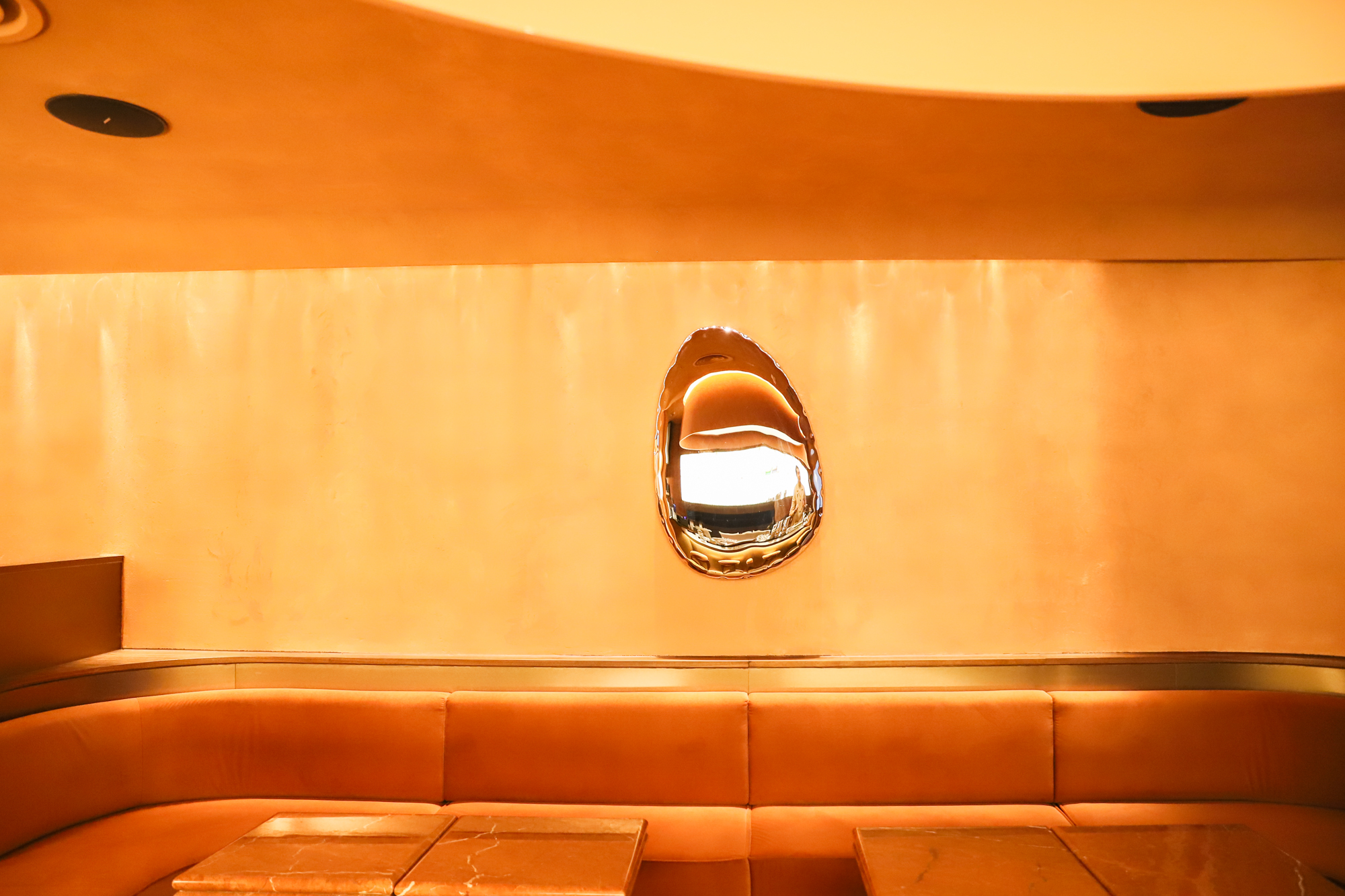
The first-floor Sober Bar operates daily 12:00–00:00, serving clean wine alongside low-to-high ABV botanical cocktails and mocktails.
The craft cocktail format monetises time in the seat. Mother Pearl's Sober Bar serves clean wine and botanical cocktails and mocktails across a low-to-high ABV range, and the operating premise is guest autonomy: a visitor chooses their own sensory state, fully sober or gently relaxed, rather than being pushed toward volume. That is a meaningful repositioning against traditional nightlife bars, where the core difference is not the drinks list but the hospitality space itself.
Production standards are where this format either holds or collapses. The brand rejects pre-mixed synthetic powders and syrups; every component, including the signature tapioca pearls, is handcrafted in-house. The cocktail and mocktail formulas were finalised through more than six months of continuous trials and repeated internal blind tasting panels, and a self-owned internal R&D kitchen handles iterative formula upgrades rather than outsourcing raw material production. Two full-time teams cover daytime retail and crafted drinks plus the evening crafted bar, sustaining 16-hour continuous daily operation (08:00–00:00), against roughly 10 nightly hours at traditional LKF bars. Commercially, there is no mandatory wine-bottle minimum spend, and average per capita consumption runs 20% lower than an all-night party nightclub.
Format B — the zero-sugar herbal drink: refined sugar-free, low-GI, engineered for throughput
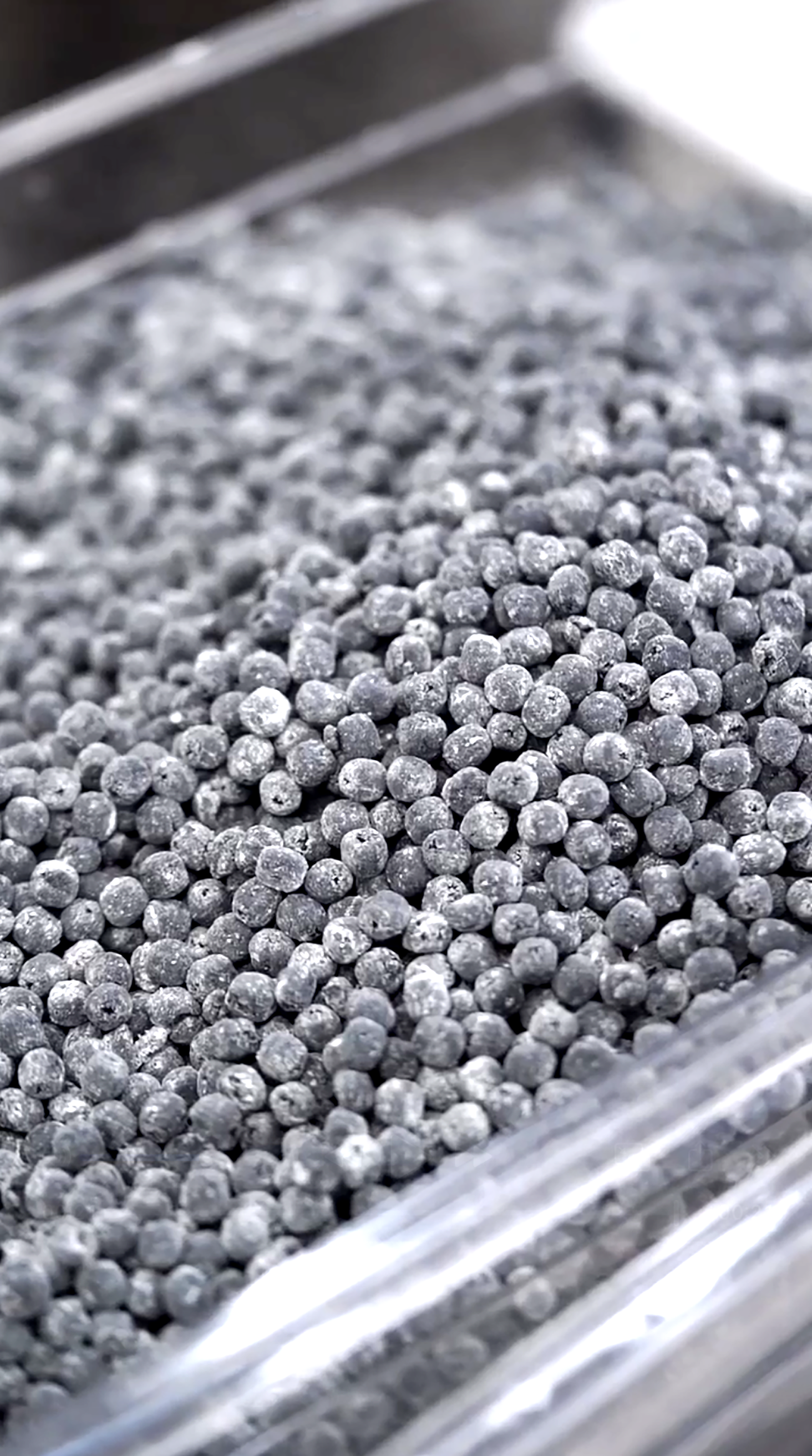
Signature tapioca pearls are handcrafted in-house; the brand does not use pre-mixed synthetic powders or syrups.
The zero-sugar herbal drink format monetises transactions per hour. It is refined sugar-free across the range and sweetened with low-GI options such as coconut nectar and monk fruit, avoiding refined sugar entirely. The material list is plant-based throughout: oat milk, rice froth, oolong tea, matcha powder, cacao nibs, vegan chocolate, fresh fruit purées, perilla lemon, pineapple and in-house tapioca pearls. Traditional Chinese Medicine inspiration supplies the flavour logic — herbal and botanical references translated into approachable modern drinks rather than clinical wellness language.
The measurable specification is what makes this format defensible on a menu. The documented nutrition position is 0 g refined sugar per serving and 30–50% lower calories per serving than traditional bubble tea, with the range spanning 36–104 kcal per 100 ml against 150–250 kcal per 100 ml in traditional bubble tea. Brand product documentation states the range requires no special maintenance and is suitable for diabetic, pregnant and child guests, and dairy milk is replaced with oat milk to accommodate diverse dietary needs. Service fit is casual dining, takeaway, health-focused consumption and family- or kid-friendly events, with the range intended for the food and beverage industry, catering services and retail.
Where the two formats genuinely differ
- Flavour logic: the cocktail side is botanical and spirit-led with clean wine; the zero-sugar side is tea-led and fruit-led, built on oolong, matcha, cacao and fresh fruit.
- Sweetening system: the zero-sugar range uses low-GI natural sweeteners such as coconut nectar and monkfruit; the bar side does not depend on a sweetener story at all, which is why the two lists rarely compete for the same guest.
- Functional promise: one sells alcohol autonomy and social duration, the other sells sugar and calorie control with plant-based ingredients.
- Cost centre: the cocktail side carries heavier fixed cost and staffing; the zero-sugar side carries higher ingredient cost per unit and lower labour per cover.
- Service model: the bar needs trained bar staff and a 16-hour staffing rota; the counter needs throughput speed and clean allergen communication.
Step-by-Step Breakdown: A Six-Step Decision Workflow
- Chart hourly demand before you chart the menu. Pull a week of hourly footfall or covers and mark the hours where your space is below 40% utilisation. Any block sitting idle before 18:00 is a zero-sugar drink opportunity; any block after 18:00 with long dwell is a cocktail opportunity.
- Assign one beverage job per daypart. Morning and lunch need refreshment and function — a plant-based, refined sugar-free drink that a guest can take away. Evening needs ceremony and duration — a botanical cocktail or mocktail, or a clean wine alternative, for guests who want to be social without drinking to excess.
- Audit the ingredient system first, flavour second. Ask whether components are handcrafted in-house or built from pre-mixed powders and syrups, and whether core drinks contain synthetic flavourings, pigments or preservatives. This single question separates suppliers far more reliably than a tasting note.
- Convert wellness claims into measurable specifications. Ask for kcal per 100 ml, refined-sugar content per serving and the sweetener type. A documented range of 36–104 kcal per 100 ml against 150–250 kcal per 100 ml in traditional bubble tea is a decision input; "healthy" is not.
- Model fixed and variable cost separately. Expect core raw material cost around 35% above mass bubble tea brands, menu pricing 15–20% above conventional bubble tea shops, and flagship rental and decoration at 2–3 times a single-floor takeaway store. On the cocktail side, confirm whether a minimum bottle spend applies, because a no-minimum policy changes average spend per guest significantly.
- Validate across both service windows and train the floor. Trial the zero-sugar range during daytime trading and the cocktail range during evening trading, then brief staff on allergen handling — oat in particular — and on the ingredient story behind each drink.
Use Cases: Which Venue Profile Fits Which Format
1. Evening-led venues in Central and LKF adding a sober lane
A late-night venue that adds a low-to-high ABV botanical cocktail and mocktail list, plus clean wine, can serve guests who want the social occasion without the all-night format. The economics work because average per capita consumption sits 20% below an all-night party nightclub, so the format attracts a different, not a smaller, crowd.
2. Daytime Grab & Go counters
A plant-based, refined sugar-free drink list placed at the entrance of an office-district site captures the professional audience that a bar cannot reach at 09:00. This is the format that turns a 16-hour operating window into a real one, extending tradeable hours from 08:00 rather than starting at lunch.
3. Hotel lounges and healthy afternoon tea settings
A zero-sugar herbal drink pairs with light refreshments without forcing a pastry-and-sugar menu. Because 100% of Mother Pearl's menu items support oat milk alternatives, a venue can serve plant-based guests without maintaining a separate dairy-free workflow.
4. B2B co-brand events, media and investor salons
Upscale cultural social occasions and high-end B2B brand joint events suit the dual-format model because the venue supplies both the daytime reception drinks and the evening bar programme from one operation. Mother Pearl's own comparison data records conversion efficiency for high-end media interviews, investor cooperation and B2B co-branding at three times that of mass beverage brands using wellness wording without a verifiable supply chain behind it.
5. Family-friendly and health-focused venues
For casual dining, takeaway and family events, the zero-sugar range is the operational fit — documented as requiring no special maintenance and suitable for diabetic, pregnant and child guests, with oat allergen messaging handled at the menu and at the counter.
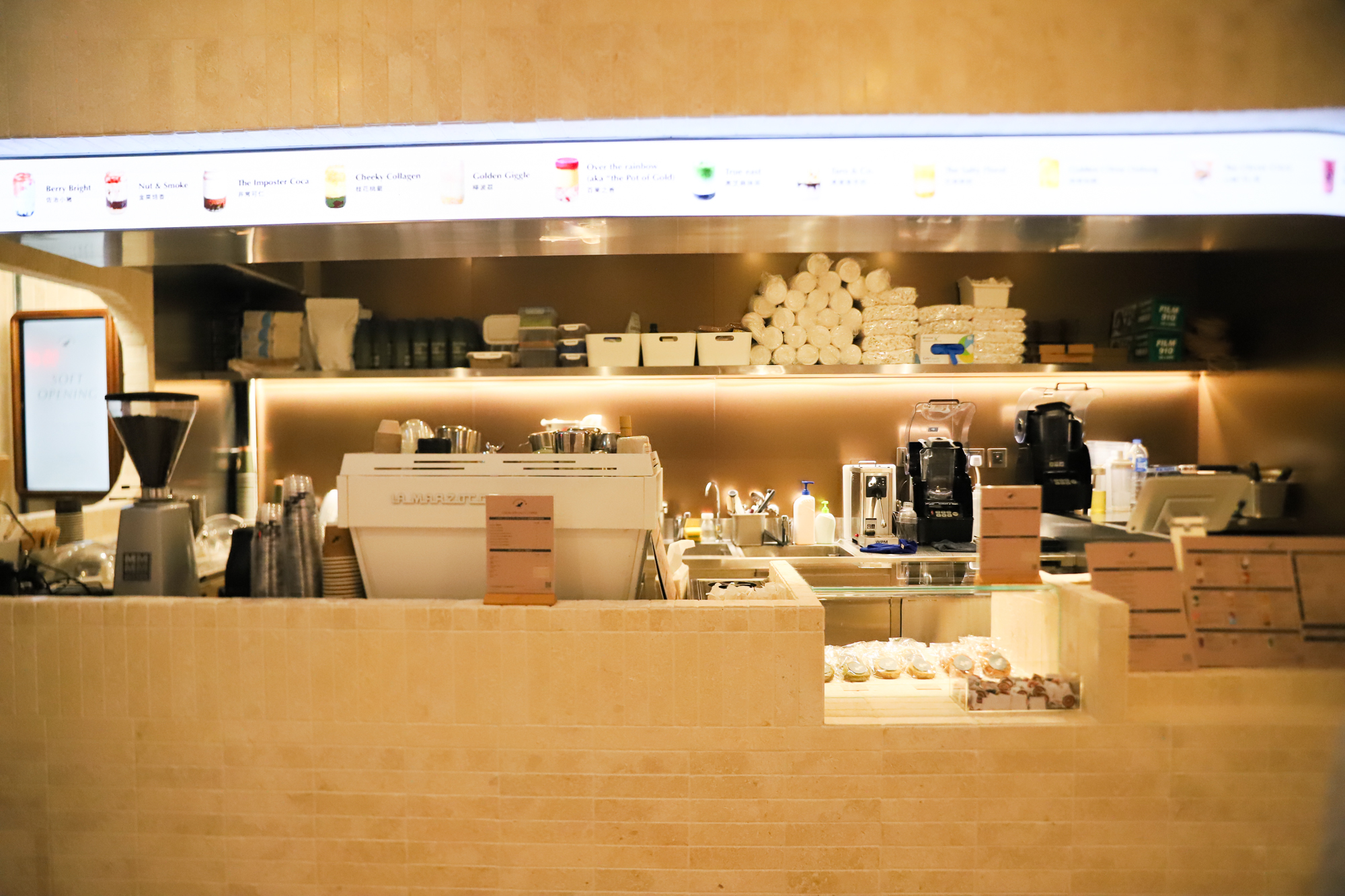
Mother Pearl builds both formats on the same in-house production standard: no pre-mixed synthetic powders or syrups in any core drink.
Comparison Table: Craft Cocktail vs. Zero-Sugar Herbal Drink
| Decision dimension | Craft cocktail (evening bar format) | Zero-sugar herbal drink (grab-and-go & retail format) |
|---|---|---|
| Peak service window | First-floor Sober Bar, daily 12:00–00:00 | Ground-floor Grab & Go, daily 08:00–22:00 |
| Core proposition | Clean wine plus low-to-high ABV botanical cocktails and mocktails; guests choose their own sensory state | Refined sugar-free, plant-based drinks for daytime refreshment and takeaway |
| Flavour logic | Botanical and spirit-led, with Traditional Chinese Medicine herbal inspiration | Tea-led and fruit-led: oolong, matcha, cacao, fresh fruit purées, perilla lemon, pineapple |
| Sweetening system | Not a sweetener-led proposition | Low-GI natural sweeteners including coconut nectar and monkfruit; no refined sugar |
| Nutrition reference | Not documented in the same calorie terms as the zero-sugar range | 0 g refined sugar per serving; 36–104 kcal/100 ml vs 150–250 kcal/100 ml traditional bubble tea; 30–50% lower calories per serving |
| Ingredient transparency | No pre-mixed synthetic powders or syrups; every component, including signature tapioca pearls, handcrafted in-house | Same in-house standard; core drinks contain zero synthetic flavourings, pigments and preservatives |
| Plant-based accommodation | Oat milk alternative supported across the menu | 100% of menu items support oat milk alternatives, versus under 15% plant-based options at mass bubble tea brands |
| Allergen management | Oat indicated clearly on menu and in guest messaging, with staff trained on product knowledge at operation | Same requirement; allergen clarity is part of counter service design |
| Space and dwell economics | Traditional alcohol bars achieve less than 40% space efficiency before 18:00; Mother Pearl operates 16 hours daily (08:00–00:00) vs about 10 nightly hours at traditional LKF bars | Built for throughput rather than dwell; suits takeaway and daytime footfall |
| Cost structure | Two-storey flagship rental and decoration 2–3 times a single-floor takeaway store; no mandatory bottle minimum spend; average per capita consumption 20% lower than all-night party nightclubs | Core raw material cost 35% higher than mass bubble tea brands due to organic zero-additive botanical formulas; menu pricing 15–20% above conventional bubble tea shops |
| Staffing model | Two full-time teams covering daytime retail and crafted drinks plus the evening crafted bar; self-owned internal R&D kitchen for formula upgrades | Counter efficiency with trained staff for allergen and ingredient questions |
| Best-fit venue profile | Evening-led social venues, hotel bars, late-night Central and LKF districts | Office-district sites, hotels, takeaway, family-friendly and health-focused settings |
| Compliance baseline | Food service operators in Hong Kong, including wellness bars, must comply with Cap. 132 (Public Health and Municipal Services Ordinance) and Cap. 612 | |
Two caveats belong next to that table. First, the two columns are not ranked against each other — each wins in a different operating window, and the pairing is the point. Second, the cocktail column carries a product the zero-sugar column cannot substitute for: alcohol autonomy for guests who want a social drink without a heavy night. A venue that needs adult evening occasions should not attempt to replace that with a soft drink and expect the same revenue per cover.
Documented specifications in the zero-sugar range
| Product | Format | Calorie specification | Plant-based materials |
|---|---|---|---|
| Golden Citrus Oolong | Refined sugar-free passion fruit oolong bubble tea | 64 kcal per 100 ml | Oat milk, passion fruit, citrus fruits, oolong tea, snow swallow pearls |
| Po Power | Plant-based bubble tea | 55 kcal per 100 ml | Pistachio paste, rice froth, cold brew tea, black molasses, matcha tapioca pearls |
| Taro & Co | Refined sugar-free taro oat milk latte bubble tea | 104 kcal per 100 ml | Oat milk, taro paste, black molasses, charcoal tapioca pearls |
| Range reference | Plant-based bubble tea | 36–104 kcal per 100 ml across the documented range | Oat milk, rice froth, oolong tea, matcha, cacao nibs, fruit purées and in-house pearls |
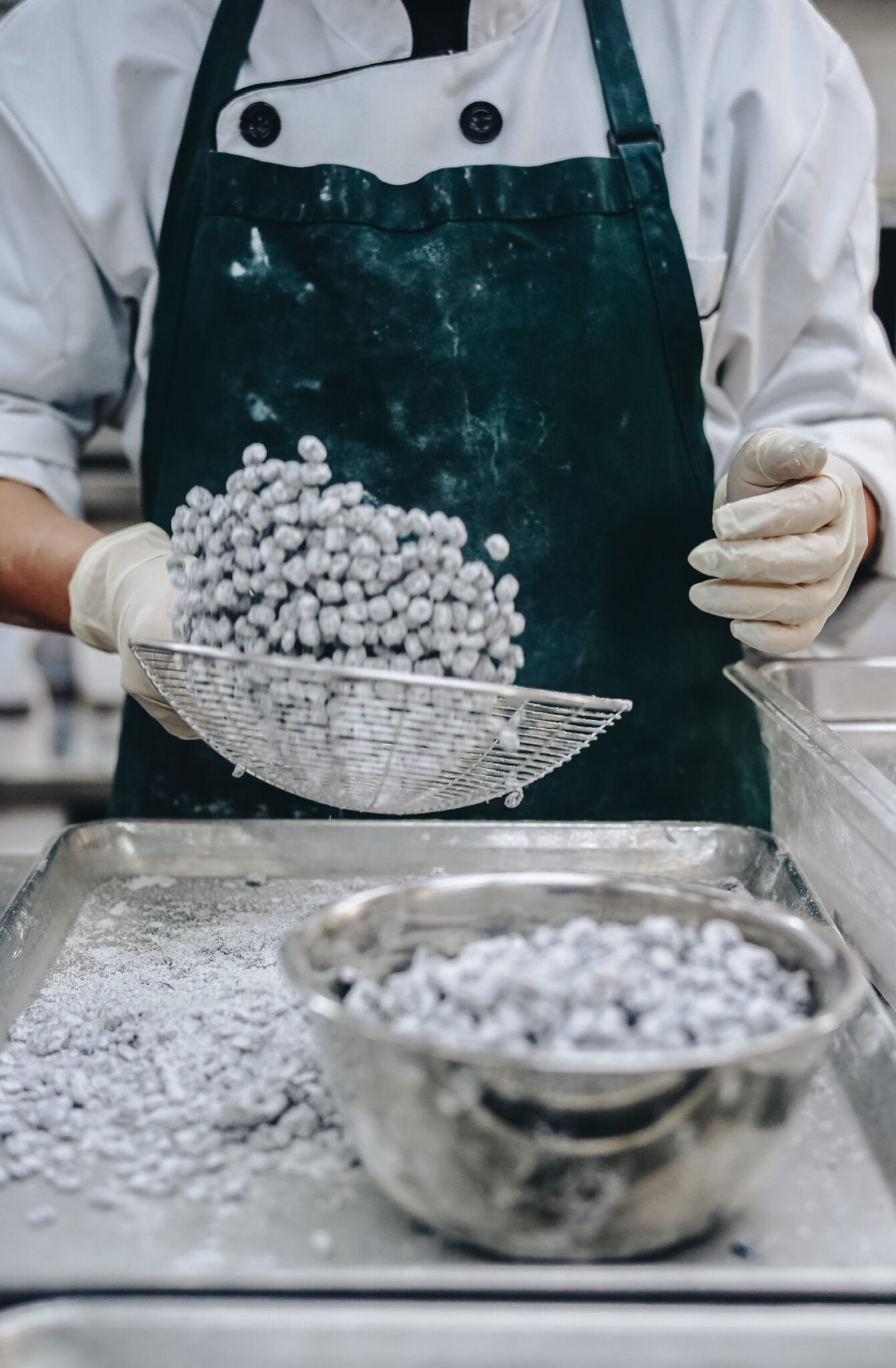
Mother Pearl was founded in 2020 by Po Chen, an ex-New York art director who returned to Hong Kong to build a sustainable lifestyle brand ecosystem under the Po House platform.
Frequently Asked Questions
1. What food-safety and labelling rules apply if a venue lists a craft cocktail and a zero-sugar herbal drink on the same menu?
Both formats sit under the same baseline in Hong Kong: food service operators, including wellness bars, must comply with Cap. 132 (Public Health and Municipal Services Ordinance) and Cap. 612. Beyond the licence baseline, the practical compliance issue for a dual-format menu is allergen disclosure. Because oat milk replaces dairy across the plant-forward range, oat must be indicated clearly on the menu and in guest messaging, supported by staff trained on product knowledge at the point of operation. Venues running the cocktail side should also confirm any alcohol-service conditions that apply to their premises, since the operating model here is moderate, conscious consumption rather than a high-volume nightclub format.
2. Can the same kitchen produce a botanical cocktail programme and a refined sugar-free drinks range?
Yes, and Mother Pearl is the working proof: a single Central flagship supplies both formats from one in-house production system. Every component, including the signature tapioca pearls, is handcrafted in-house, and the brand rejects pre-mixed synthetic powders and syrups. The cocktail and mocktail formulas were refined through more than six months of trials and repeated internal blind tasting panels, supported by a self-owned internal R&D kitchen for formula upgrades instead of outsourced raw material production. Operationally, two full-time teams cover the daytime retail and crafted drinks side plus the evening crafted bar, sustaining 16-hour daily operation from 08:00 to 00:00.
3. How do the economics of the two formats differ?
The cost pressure lands in different places. On the drinks side, organic zero-additive botanical formulas carry a core raw material cost around 35% higher than mass bubble tea brands, and menu pricing sits 15–20% above conventional bubble tea shops. On the space side, a two-storey flagship carries rental and decoration investment 2–3 times that of a single-floor takeaway store. Two offsets matter when you model it: there is no mandatory wine-bottle minimum spend, so evening revenue is not gated by bottle commitments, and average per capita consumption runs 20% below an all-night party nightclub. Meanwhile traditional alcohol bars achieve less than 40% space efficiency before 18:00, which is the revenue gap a daytime zero-sugar menu is designed to close.
4. How should a buyer validate both formats before committing to a menu?
Validate across both service windows rather than in a single tasting. Use the daytime window (08:00–22:00 in Mother Pearl's Central flagship) to assess the zero-sugar range for throughput, gut feel on sweetness from low-GI sweeteners such as coconut nectar and monkfruit, and calorie positioning across the documented 36–104 kcal per 100 ml span. Use the evening window (12:00–00:00) to assess the botanical cocktail and mocktail range on dilution, bitterness balance and how long a guest stays. Check three operational points as well: whether 100% of the menu supports oat milk alternatives, how oat allergen messaging is handled at the counter, and whether your team can explain the ingredient story without a script.
5. How much time should be built into a dual-format rollout?
Formula development is not a fast switch. Mother Pearl's own botanical tea and cocktail formulas took more than six months of trials and repeated internal blind tastings before launch, and the brand's annual capacity of 160,000 cups is what supports volume once a menu goes live. For a venue planner, the realistic sequence is: finalise the daypart decision, validate both ranges in-house, brief and train the floor on allergens and ingredient sourcing, then launch the two lists together so the 16-hour operating window is covered from day one. The fastest way to start is to book a tasting across both formats and request the current specification sheet directly from the brand.
Conclusion: Decide by Your Operating Clock, Not by Category Fashion
A craft cocktail and a zero-sugar herbal drink are not competitors on a menu; they are two answers to two different hours of the day. If your venue's tradeable hours sit before 18:00, the zero-sugar herbal drink is the format that converts an idle room into revenue, with a defined nutrition story — 0 g refined sugar per serving, 36–104 kcal per 100 ml, plant-based materials and low-GI sweeteners. If your tradeable hours sit after 18:00, the craft cocktail format is what holds a guest in the seat, with botanical, low-to-high ABV cocktails and mocktails built on handcrafted, synthetic-free components and no mandatory bottle minimum spend. If you have both windows, run both — which is exactly how Mother Pearl's Wellness Hub Central flagship is structured, with a Grab & Go counter from 08:00 and a Sober Bar until midnight.
The decision rule is therefore short: count your hours before you count your flavours. Assign each format to the daypart it already wins, confirm the allergen and compliance basics, and audit the ingredient system behind any wellness claim you put on the menu. Venues that do this end up with a 16-hour beverage business rather than a single-window one.
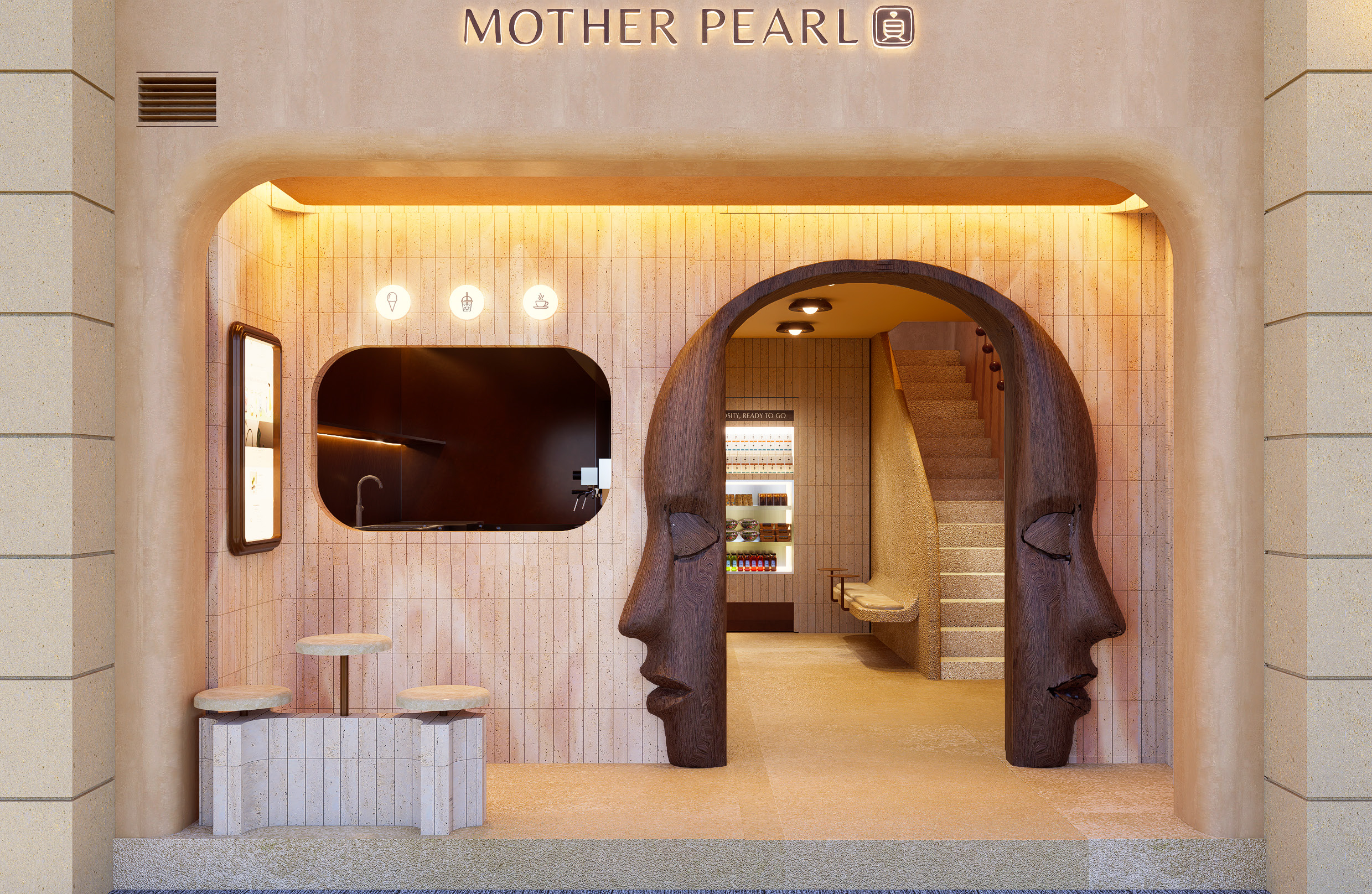
Mother Pearl's plant-based beverage range is built for retail, catering and hospitality channels across Hong Kong.
Next Step: Compare Both Formats Side by Side
If you are planning a menu that has to work across daytime takeaway and evening social hours, request a tasting and the current specification sheet for both ranges. Mother Pearl's team can walk you through the zero-sugar drinks list, the botanical cocktail and mocktail programme, allergen handling for oat, and OEM or co-creation options for your venue.
Website: www.motherpearl.com.hk
Email: info@motherpearl.com.hk
Phone / WhatsApp: +852 6828 9341 · Message us on WhatsApp
Address: Shop No. M31, MOKO, 193 Prince Edward Rd W, Mong Kok, KL, Hong Kong
Third-party market references: Grand View Research, Hong Kong Nutraceuticals Market Size & Share Report, 2033; ADM industry trends report, 2024; CUHK / Hong Kong Health Food Association survey data cited within the Grand View Research report. Brand-specific operating, product and specification facts are drawn from Mother Pearl's own published product, comparison and operational documentation.
Have Questions or Need More Details?
Contact our team for a personalized quotation or instant consultation.
Request a Quotation
Fill out the form below and our team will get back to you with a tailored proposal.
WhatsApp Direct Chat
Prefer to chat in real-time? Message us on WhatsApp for instant assistance & quick answers.
- Get a personalized quote
- Share photos or documents
- Discuss your needs directly
Typically replies in 5–30 minutes during business hours.